For decades, a weekend in Paris meant the same circuit: Marais cafés, Left Bank bookshops, maybe a spin through the Louvre. But something has quietly shifted in how locals actually spend their downtime, and it has everything to do with infrastructure most visitors never notice.
The completion of the Line 15 southern extension last summer fundamentally changed the leisure geography of the city. Where commuters once faced 45-minute journeys from central Paris to venues in the 13th and 14th arrondissements, the new rapid connections have transformed these neighbourhoods into genuine weekend destinations rather than just bedroom communities. The Bibliothèque Nationale de France precinct—once a lonely pilgrimage—now draws casual visitors thanks to the direct access. The nearby floating gardens along the Seine's left bank, redesigned in 2024, have become an unexpected favourite among locals seeking riverside breathing room without fighting the crowds on Île Saint-Louis.
But it's not just about getting somewhere faster. The real transformation is psychological. Parisians, historically reluctant day-trippers, are venturing further. The upgraded RER B to Fontainebleau now runs weekend express services, cutting travel time by 20 minutes. Local outfitters report a 34 per cent increase in equipment rentals for forest cycling since spring. The forest itself hasn't changed; access has.
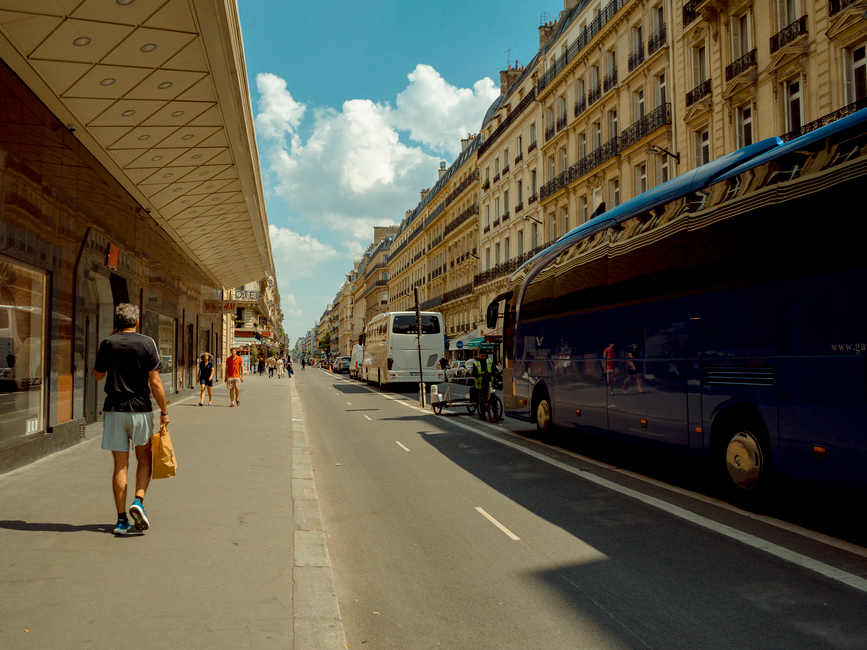
Closer to home, the pedestrianisation of Rue de Rivoli's eastern section—completed in 2025—has accidentally rejuvenated the surrounding passages and courtyards. Tucked behind the main drag, these Victorian-era shopping arcades had become overlooked curiosities. Now, with heavy traffic diverted, locals actually linger. Small galleries and independent cafés have noticed footfall double in the past year.
Perhaps most tellingly, the Canal Saint-Martin's waterside extension north to Stalingrad has created what locals now call an alternative leisure corridor. Where the canal used to peter out, there's now a 2.3-kilometre continuous towpath with beach volleyball courts, outdoor film screenings, and vendor stalls. Summer weekends see crowds that rival the Marais, but the atmosphere feels entirely different—less performed, more local.
The shift reflects a broader pattern: Parisians aren't seeking new experiences so much as rediscovering forgotten proximity. Better infrastructure has collapsed distance and killed the psychological barrier between 'staying put' and 'getting away'. The city isn't changing its attractions; it's changing how easily its residents can afford—in time and effort—to explore them.
This article was compiled by AI from the sources linked above and screened before publishing. See our editorial standards.