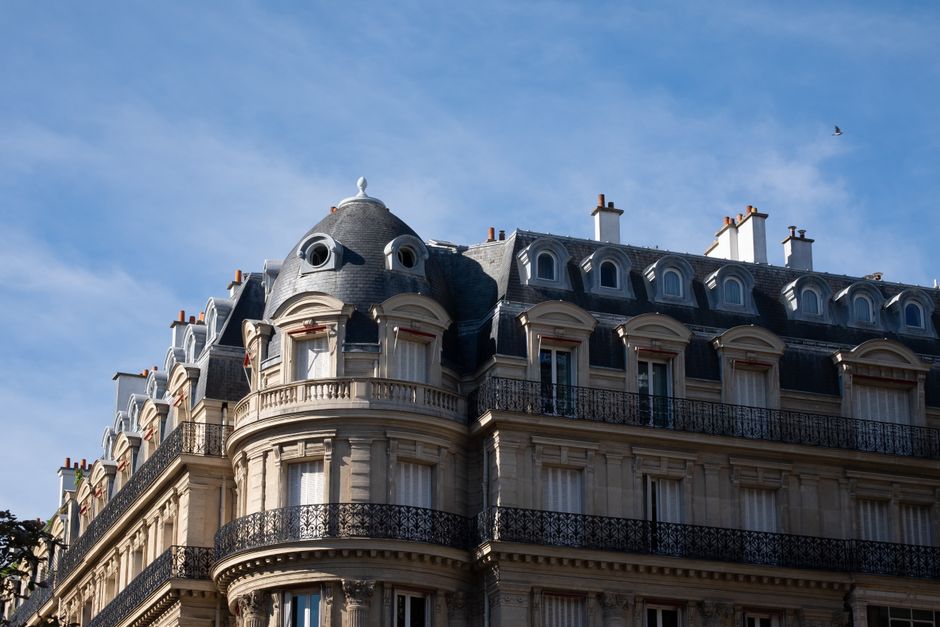
Why Paris Stands Apart: What New Arrivals Need to Know About Europe's Most Demanding City
Relocating to the French capital demands more than finding an apartment—it requires understanding a culture that refuses to compromise on its own terms.
Relocating to the French capital demands more than finding an apartment—it requires understanding a culture that refuses to compromise on its own terms.

Paris attracts roughly 30 million visitors annually, yet far fewer choose to stay permanently. For those who do, the adjustment period often proves more complex than expected. Unlike more overtly welcoming global cities—London's pragmatic multiculturalism, Barcelona's laid-back entrepreneurship, or Berlin's anything-goes reinvention—Paris maintains an uncompromising relationship with newcomers. This isn't coldness; it's cultural specificity that demands respect.
The practical realities hit first. Securing a rental in the 6th or 7th arrondissements now averages €2,200 monthly for a one-bedroom, while the outer neighborhoods like Belleville or Oberkampf offer alternatives at €1,400–€1,600. But the financial challenge is secondary to bureaucratic ones. Unlike Singapore's streamlined expat relocation services or Dubai's dedicated business visa pathways, France requires patience. You'll need a visa-long-séjour, proof of financial stability, housing contracts (nearly impossible without French references), and a French IBAN before opening most bank accounts. American and British relocators particularly find this friction point shocking.
The linguistic barrier carries cultural weight beyond translation. While expat hubs in Amsterdam or Stockholm function comfortably in English, Paris has not embraced this. Service workers in the Marais district may speak English; those in the 15th arrondissement rarely do. Learning French isn't optional—it's prerequisite for integration. The city's pride in its language reflects deeper values about preserving identity amid globalization.
What makes Paris genuinely unique, however, is what it offers once you've cleared these hurdles. No other major European capital maintains such obsessive attention to daily living. The neighborhood boulangerie culture—where artisanal bread quality remains non-negotiable—has no real equivalent. The café as third space persists here in ways that have vanished elsewhere. A coffee at Café de Flore costs €5.50, but you're purchasing access to a centuries-old ritual that shapes how Parisians work, socialize, and think.
Infrastructure supporting leisure reflects different priorities. While other cities optimize for productivity, Paris optimizes for living. The Seine's Left Bank, the Musée de Montmartre, the weekly markets at Rue Mouffetard—these aren't tourist attractions layered atop daily life. They constitute it. The city's 1,800 parks occupy 4,000 hectares; by comparison, New York's parks system covers 3,000 hectares across a vastly larger metropolitan area.
New arrivals thrive when they abandon the expectation that Paris should conform to their previous city's operating system. The inefficiencies that frustrate American expats—slower internet, rigid store hours, byzantine administrative processes—often reflect deliberate choices about work-life separation. Paris doesn't promise convenience. It promises something older: the assumption that human experience shouldn't be optimized into oblivion.
For those willing to learn its language, navigate its bureaucracy, and respect its rhythms, Paris becomes not just livable but irreplaceable. That's precisely why it remains Europe's most challenging relocation destination—and why those who adapt rarely leave.
This article was compiled by AI from the sources linked above and screened before publishing. See our editorial standards.
How does this story make you feel?
Spread the word
About this article
Published by The Daily Paris
Daily brief
Free, in your inbox before 7am. Weekdays.
More in lifestyle