Moving to Paris? Here's What Locals Actually Tell New Arrivals—No Sugar-Coating
Forget the romance postcards: we asked residents who've made the leap what they wish they'd known before unpacking.
Forget the romance postcards: we asked residents who've made the leap what they wish they'd known before unpacking.
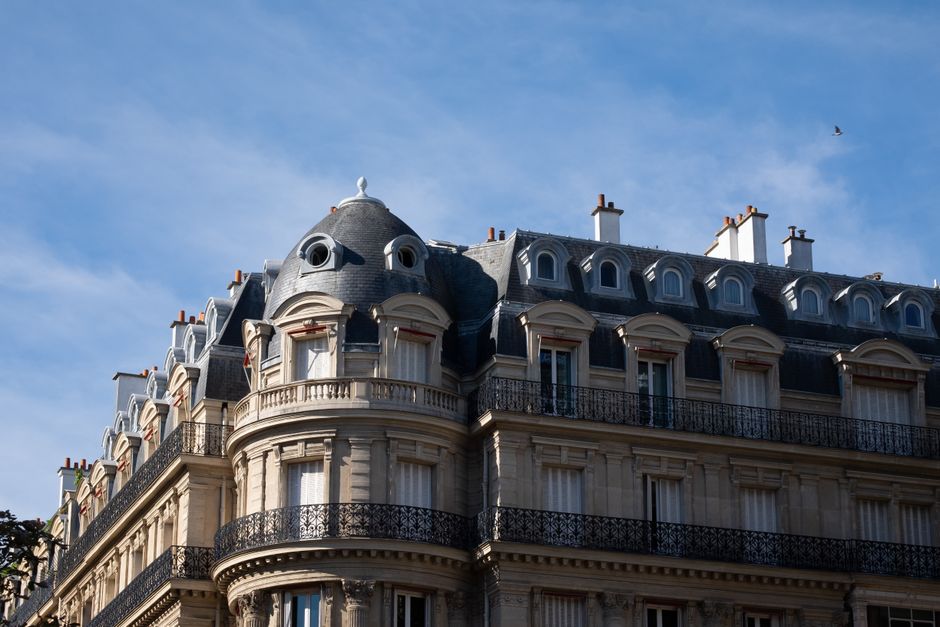
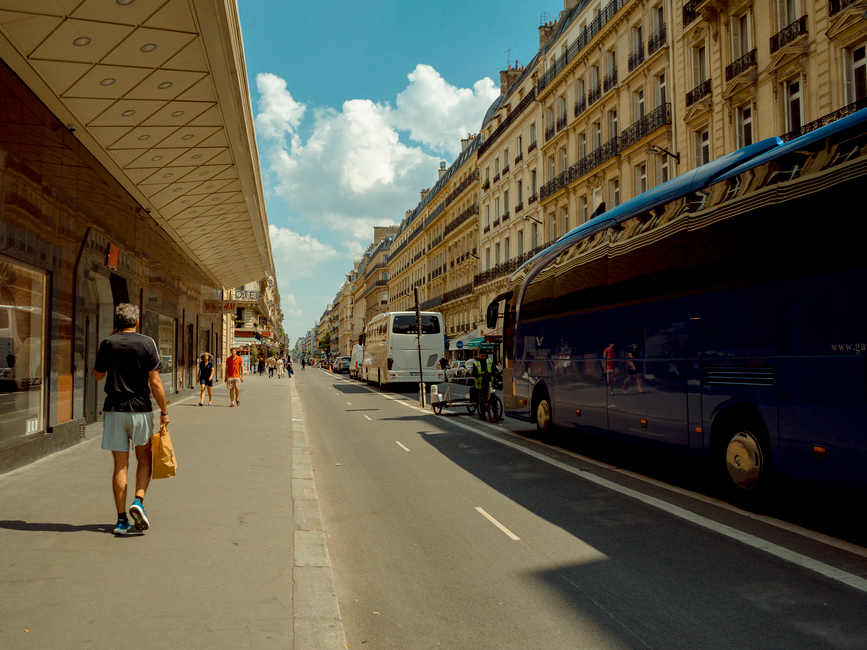
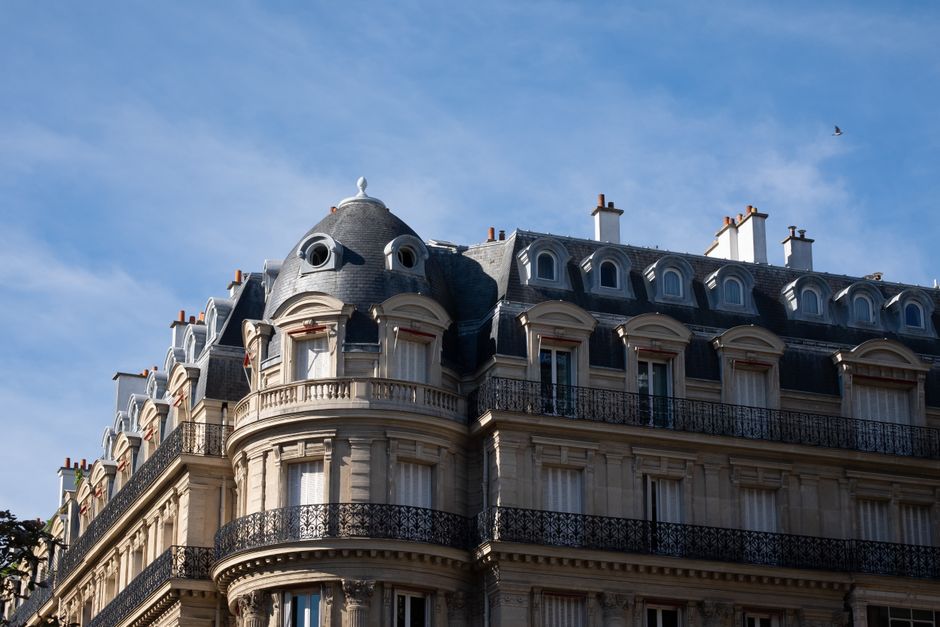
Paris seduces millions of visitors annually, but living here demands a different kind of love letter. The expat community thriving across the 11th, 20th, and increasingly in the 13th arrondissements has learned hard truths worth sharing before you sign a lease.
Housing remains the elephant in every Parisian room. Expect to budget €800–€1,200 monthly for a one-bedroom in central neighbourhoods; studios in Marais or Saint-Germain command premiums. The Agence Nationale pour l'Information sur le Logement (ANIL) recommends allocating 30% of income to rent, though many arrivals discover this figure is aspirational. Building relationships matters more than algorithms—word-of-mouth through SeLoger and Facebook expat groups often yields better options than platforms alone. Always request a reference from a previous landlord before viewing; French landlords are thorough.
Administrative integration tests patience universally. Registering at your local mairie (town hall), obtaining a French bank account, and securing a carte de séjour demand documentation and persistence. The prefecture queues are genuine—arrive early, bring originals and photocopies of everything, and accept that efficiency isn't the French bureaucratic virtue. Build this into your first three months.
Transport infrastructure rewards planning. A Navigo Easy card (€89 monthly for zones 1–2) transforms the RATP network from bewildering to navigable. Real locals rarely own cars; the Île-de-France congestion justifies their scepticism. Vélib' bikes work brilliantly for intermediate distances; cycling infrastructure improves yearly on rue de Rivoli and the Left Bank routes.
Neighbourhood selection shapes experience profoundly. The 11th offers affordability and authentic bistro culture. The 20th (Belleville, Ménilmontant) attracts younger arrivals seeking creative communities and lower rents. The 13th waterfront regeneration appeals to those seeking space without full gentrification. Each carries distinct rhythms; visit at 8 p.m. on a weekday to gauge real energy.
Social integration requires intentionality. The French aren't famously warm to strangers, but organised communities—expat meetups via Meetup.com, language exchanges at local libraries, volunteering through Médecins du Monde—create genuine friendships. Learn conversational French beyond survival phrases; it's not optional, regardless of English-speaking environments.
Cost of living beyond rent surprises newcomers. Groceries at Monoprix exceed comparable London or Berlin prices. Wine remains reasonable; Carrefour basics offer quality at €5–€8. Gym memberships run €40–€60 monthly; many locals prefer running along the Seine or Canal Saint-Martin.
Finally: embrace friction. Paris isn't optimised for newcomer comfort. But locals who've stayed report that this resistance—the slow administrative processes, the reserved neighbours eventually becoming friends, the menus entirely in French—creates belonging more durable than easy cities offer.
This article was compiled by AI from the sources linked above and screened before publishing. See our editorial standards.
How does this story make you feel?
Spread the word
About this article
Published by The Daily Paris
Daily brief
Free, in your inbox before 7am. Weekdays.
More in lifestyle