Walk along the Seine near the Île de la Cité on any weekday morning and you'll spot a phenomenon that would have seemed unthinkable five years ago: commuters boarding electric water-taxis bound for La Défense, their messenger bags slung across their chests, their expressions serene. The Left Bank's transport landscape is undergoing a quiet but unmistakable transformation, one that reflects both environmental necessity and the practical exhaustion of car-dependent living.
The arrival of three new river shuttle services since 2024 has fundamentally altered movement patterns in the 5th and 6th arrondissements. Batobus expanded its schedule last autumn, while newer operators Navigo Fluvial and Eau-Mobility now run direct routes from the Pont de l'Alma to Bercy and onwards to the business district. Monthly passes cost €89—comparable to standard transit but offering a 45-minute commute that feels less like transportation and more like meditation.
For decades, the Left Bank's character was defined by its relationship to congestion. Students navigated gridlocked Boulevard Saint-Michel, locals cursed the Rue de Rivoli's permanent parking lot, and delivery trucks turned the narrow passages around the Odéon into obstacle courses. But Paris's 2025 congestion pricing scheme—charging €15 per day for petrol cars in central zones—has accelerated a shift already underway. Car commuting from the 5th arrondissement has dropped 23 percent in eighteen months, according to the Paris Chamber of Commerce.
The infrastructure reflects this evolution. The Vélib' station near Saint-Michel now stocks 60 bikes daily instead of the previous 40. Micro-mobility companies have proliferated along the quays, with scooter racks appearing near Cluny and Panthéon. But it's the water routes that symbolise the neighbourhood's genuine reimagining—partly because they're forcing genuine lifestyle changes, not merely substituting one mechanical conveyance for another.
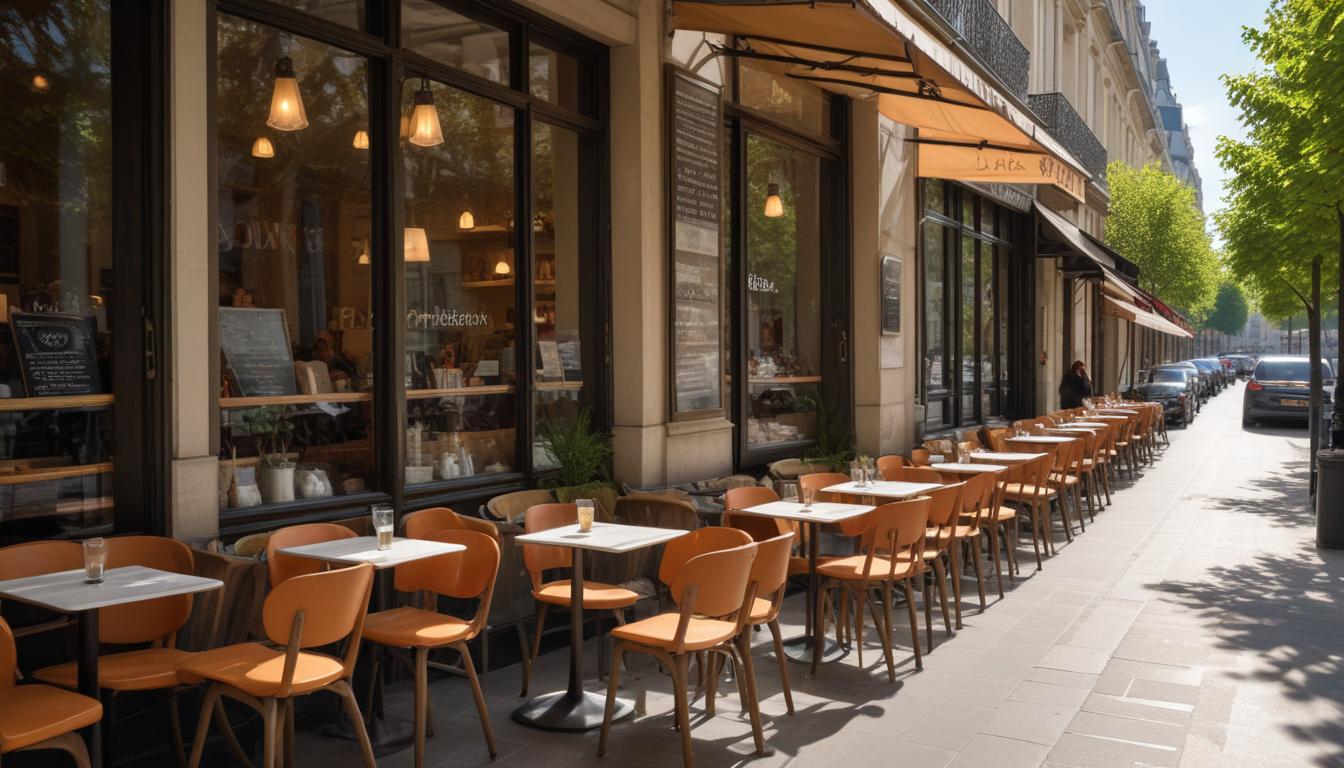
What's particularly striking is how this shift has revived certain commercial corridors. The Quai de Montebello, long overlooked as merely a thoroughfare, has become a neighbourhood hub, with three new cafés and a bookshop opening since the water-shuttle expansion. Residents now linger here, waiting for boats, creating the kind of spontaneous street life that car-dependent zones rarely nurture.
The irony isn't lost on Left Bank habitués: the neighbourhood that produced the existentialists' meditations on modern alienation is now conducting its own quiet experiment in slowness. The commute, once merely endured, is becoming lived experience—a pocket of the day returned to oneself.
This article was compiled by AI from the sources linked above and screened before publishing. See our editorial standards.