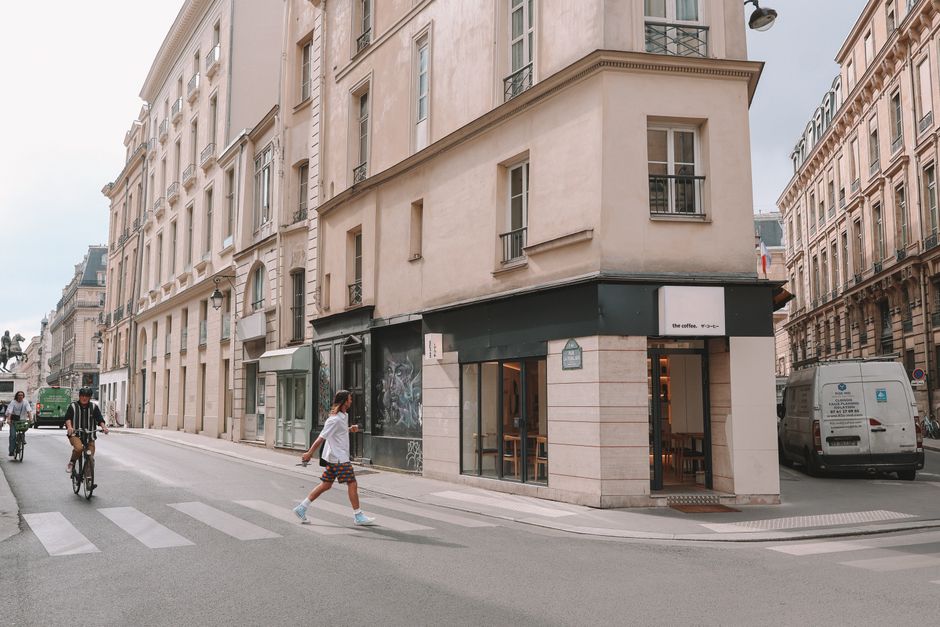
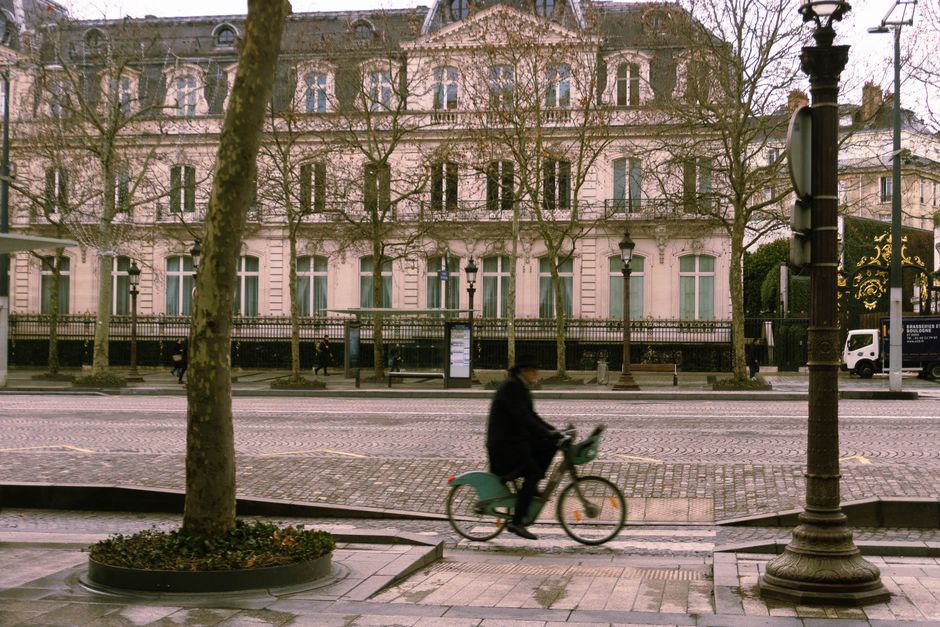
Walk through the Marais today and you'll notice something has shifted. Between the Renaissance hôtels particuliers and vintage boutiques lining Rue des Rosiers and Rue Vieille du Temple, small pockets of verdant calm have begun to flourish. This isn't accidental. Over the past three years, the 4th arrondissement has undergone a subtle but significant transformation in how it thinks about outdoor space—one that reflects broader changes across Paris's most densely populated neighbourhoods.
The catalyst has been the city's expansion of temporary pedestrianised zones and parklet initiatives. Place des Vosges remains the Marais's crown jewel, but now it shares the spotlight with converted street corners: potted gardens, moveable seating, and pop-up cultural spaces have appeared on streets like Rue Turenne and around the newly renovated Bibliothèque Forney. The city invested €2.3 million in greening projects across the 4th arrondissement between 2024 and 2026, according to municipal records—a substantial commitment for a neighbourhood where real estate commands some of Paris's highest prices.
Local residents report a noticeable shift in how they use their neighbourhood. Marie-Laure Thibault, director of the Marais-based community initiative Quartier Vert, notes that the demographic has evolved too. Younger professionals are increasingly drawn by lifestyle factors beyond shopping and nightlife. "People want to work remotely in a café with trees nearby," she explained in a recent local publication. The number of outdoor seating areas in the Marais increased by 47% between 2023 and 2026, while applications for summer terrasse permits nearly doubled.
But the evolution brings tensions. Gentrification anxieties loom as outdoor amenities attract investment. A coffee at a terrace on Rue de Turenne now averages €5.50 for an espresso—up 18% since 2023. Long-time residents worry that green space improvements, while visually welcome, are accelerating neighbourhood transformation.
The Marais's shift also reflects Paris-wide trends. Under the city's 2030 sustainability plan, every Parisian should live within a 10-minute walk of quality green space. The Marais, historically challenged by density, is becoming a test case for retrofitting heritage neighbourhoods with contemporary outdoor living standards.
Yet authenticity persists. Hidden courtyards, community gardens like Jardin Catherine-Labouré tucked behind stone walls, and the organic vitality of Jewish delis, vintage shops, and galleries remain the neighbourhood's soul. The green revolution isn't erasing character—it's negotiating with it, neighbourhood by neighbourhood, street by street.
This article was compiled by AI from the sources linked above and screened before publishing. See our editorial standards.