The Real Paris: Tips and Honest Recommendations from Locals Who Live It Daily
Skip the guidebooks—here's what actual Parisians actually do in their own neighbourhoods, from where to really eat to which metro lines to avoid at rush hour.
Skip the guidebooks—here's what actual Parisians actually do in their own neighbourhoods, from where to really eat to which metro lines to avoid at rush hour.
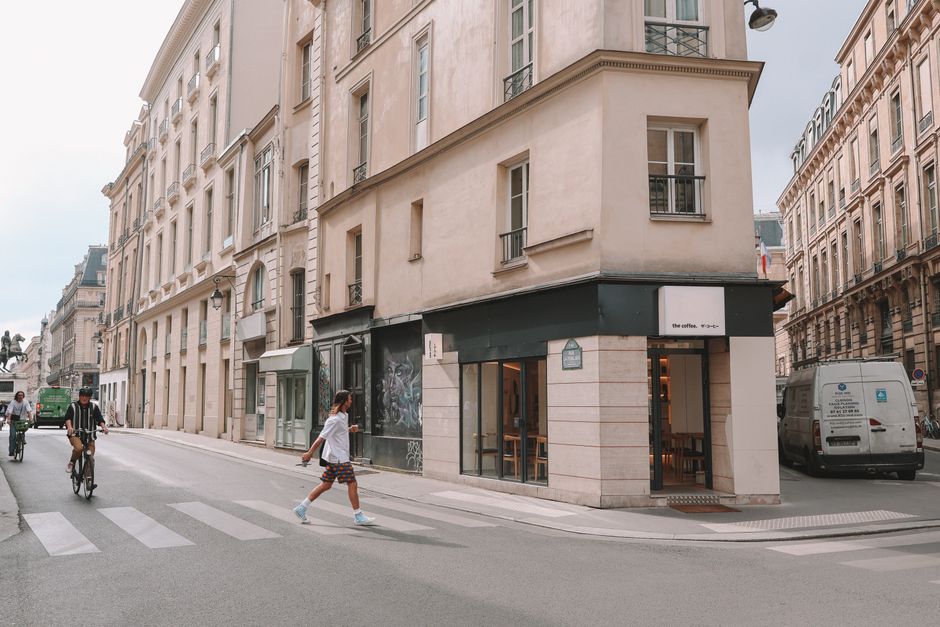
Paris's reputation for romance often obscures a more practical reality: living here means navigating rising rents, tourist-clogged streets, and the very real challenge of finding authentic community. We spoke with long-term residents across five arrondissements to understand how Parisians actually spend their daily lives—and what they genuinely recommend.
In the 11th arrondissement, locals emphasize that Rue de la Roquette has transformed dramatically. "Ten years ago, it was gritty; now it's expensive brunch spots," says the landscape around Oberkampf. Residents instead recommend Rue Jean-Pierre Timbaud for better value cafés and independent shops. The 11th remains genuinely mixed-income, with apartment rents averaging €1,200–€1,500 monthly for a one-bedroom—still significant but lower than the Marais or Saint-Germain.
For the 13th arrondissement, locals praise the authentic diversity along Avenue d'Ivry and around the Butte-aux-Cailles, where Vietnamese restaurants cluster near independent galleries. The area lacks the Instagram-ready aesthetic of central Paris, which residents view as an asset. "You can actually afford to live here and build a real life," one long-term resident noted. Markets at Place de l'Abbé Basset remain genuinely local, drawing neighbourhood residents rather than tourists.
The 10th arrondissement around Canal Saint-Martin has gentrified significantly, but locals identify quieter pockets. République itself buzzes with younger professionals; quieter streets north toward Stalingrad preserve a residential feel. Residents recommend the independent bookshop Artazart and cooperatively-run spaces over chain establishments—community matters here as much as convenience.
Practical wisdom from across neighbourhoods: avoid Metro Lines 4 and 6 during peak hours; they're chronically crowded. Instead, cycle or use less-congested lines. Grocery shopping at Monoprix or Carrefour City is expensive; outdoor markets (Bastille on Thursdays and Sundays, Belleville on Tuesdays and Fridays) offer better value and real neighbourhood interaction.
For community integration, locals emphasize joining local associations—sports clubs, book groups, or neighbourhood watch initiatives—as more effective than bars or restaurants for meeting people. Facebook groups for specific arrondissements often discuss local issues, recommendations, and practical advice.
The honest truth: authentic Paris living requires accepting that neighbourhoods change, that gentrification is real, and that finding community takes intentional effort. But residents across the city consistently report that beyond the tourist trails—on residential side streets, in local markets, through neighbourhood associations—genuine Parisian life persists. It's less glamorous, more expensive than outsiders expect, and infinitely more rewarding than the postcard version.
This article was compiled by AI from the sources linked above and screened before publishing. See our editorial standards.
How does this story make you feel?
Spread the word
About this article
Published by The Daily Paris
Daily brief
Free, in your inbox before 7am. Weekdays.
More in lifestyle