Raising Children in Paris: Tips and Honest Recommendations from Locals Who Live It Daily
Parents navigating Parisian schools, childcare and family life share their hard-won insights on making it work in one of Europe's most demanding cities.
Parents navigating Parisian schools, childcare and family life share their hard-won insights on making it work in one of Europe's most demanding cities.
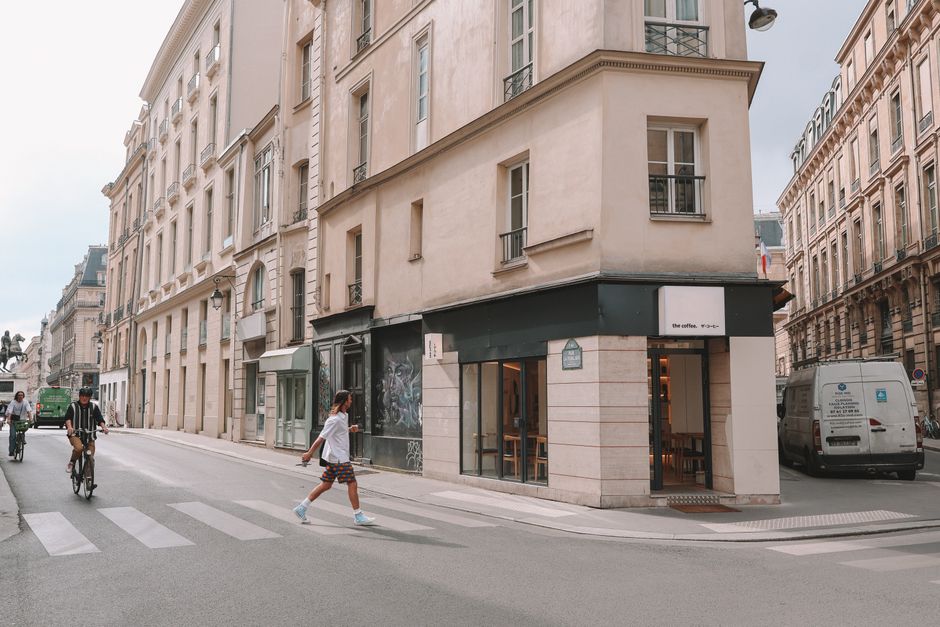
Raising a family in Paris demands a particular blend of pragmatism and patience—something resident parents know intimately. Unlike the carefully curated lifestyle content flooding social media, those actually managing school runs across the 5th and 6th arrondissements offer far more grounded wisdom about what works in reality.
The school system itself remains a primary concern. Public écoles maternelles are excellent and tuition-free from age three, but competition for spots in desirable neighbourhoods around the Latin Quarter or Marais is fierce. Parents emphasise starting applications by autumn of the previous year. For those considering private schools, expect €4,000 to €8,000 annually for primary education—a significant investment many local families weigh carefully against public alternatives that consistently perform well on standardised assessments.
Childcare logistics dominate parental conversation at markets on rue Mouffetard or playgrounds in Square des Peupliers. Assistantes maternelles (registered childminders) cost €10–15 per hour and remain the most affordable option, though securing one requires early networking. Crèches are subsidised based on income but have waiting lists exceeding twelve months in central arrondissements. Working parents frequently combine arrangements—perhaps a childminder three days weekly, then grands-parents or part-time crèche slots filling gaps.
Local families emphasise the importance of embracing the city's free or low-cost offerings: the Musée de l'Homme offers family workshops; libraries in each arrondissement host story hours; and parks like Jardin du Luxembourg remain genuinely accessible spaces where children play while parents connect. The €50 annual Paris Museum Pass pays for itself within four visits and grants access to 60+ institutions.
Beyond institutions, experienced parents stress realistic expectations about work-life balance. France's statutory 35-hour week and August school holidays create different rhythms than other countries, yet Paris remains expensive—full-time dual income is often necessary. The culture of school lunch (menus posted publicly, nutritionally balanced, costing €3–4) provides respite, though many parents admit struggling with homework pressure and intensive extracurriculars.
Perhaps most honestly, long-term residents suggest accepting Paris parenting means trading certain conveniences—spacious homes, car dependency—for others: walkable neighbourhoods, cultural access, established community support networks. Success lies in connecting with other families early, whether through schools, local associations, or simply repeated visits to the same parks. The parents who thrive aren't those who replicate their previous lifestyle elsewhere; they're those who genuinely adapt to how Paris families actually live.
This article was compiled by AI from the sources linked above and screened before publishing. See our editorial standards.
How does this story make you feel?
Spread the word
About this article
Published by The Daily Paris
Daily brief
Free, in your inbox before 7am. Weekdays.
More in lifestyle