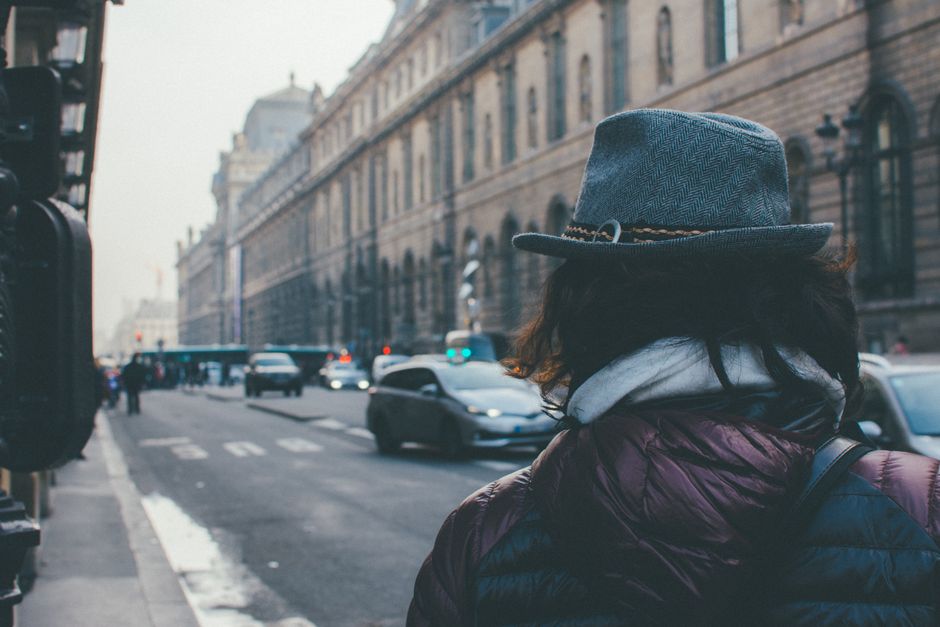
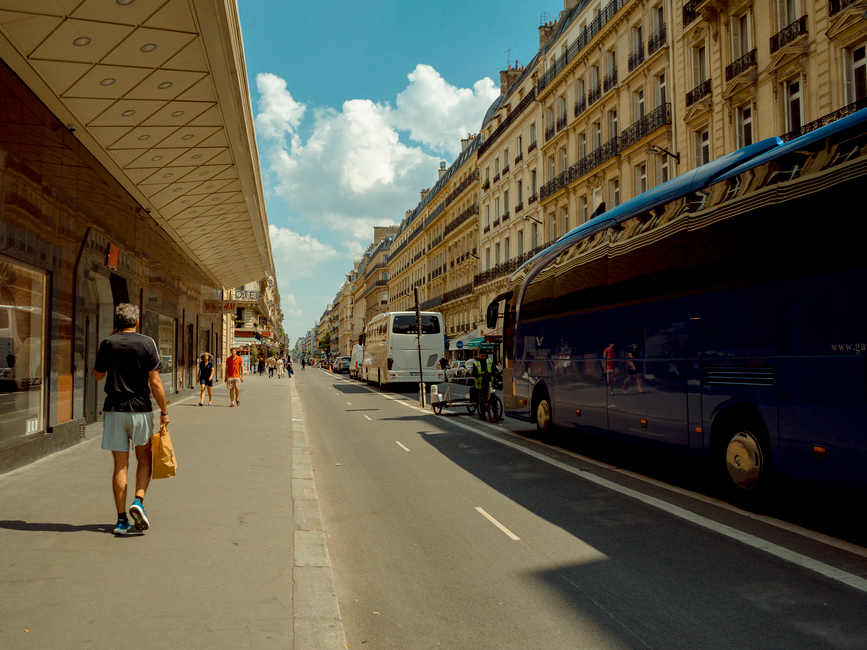
Walk down Rue de Belleville on a Saturday morning in 2026, and you'll witness a neighbourhood in flux. The vintage clothing shops and hole-in-the-wall bistros that defined this quarter for decades still exist, but they're now interspersed with artisanal coffee roasters, collaborative workspaces, and galleries showcasing digital media alongside traditional painting. The transformation isn't violent or sudden—it's evolutionary, layered, distinctly Parisian in its contradictions.
For generations, Belleville represented Paris's working-class heart. Arab, Jewish, and African immigrant communities built vibrant commercial corridors along Rue de Ménilmontant and Place des Fêtes. In the early 2000s, street artists claimed the neighbourhood's walls, turning grey facades into open-air galleries. That bohemian identity attracted creative professionals seeking affordable rents away from the Latin Quarter's tourist crush.
But affordability is evaporating. Average monthly rent in Belleville has climbed approximately 12% over the past three years, now hovering around €750 for a one-bedroom apartment—steep by neighbourhood standards, though still lower than the 10th or 11th arrondissements. This pressure is catalysing subtle but significant shifts in how the community functions and defines itself.
The evolution is visible in new institutional commitments. The Belleville cultural hub near Parc des Buttes-aux-Cailles now hosts monthly gatherings mixing established immigrant associations with newcomer creative collectives. Studios that once housed solo artists now operate as co-working spaces. Independent bookshops like Artazart have expanded their programming to include tech entrepreneur networking alongside poetry readings.
Yet this isn't a simple gentrification narrative. Long-standing family businesses—the Syrian bakeries on Rue Piat, the vinyl record shops near Saint-Jean-Baptiste church—remain anchors of community life. Chinese restaurants cluster around Rue de Belleville as they have for decades. What's changing is the demographic mixing: young finance professionals now live alongside retired factory workers and second-generation immigrant families.
Community organisations are actively navigating this transition. Belleville Collective, a grassroots network formed in 2024, explicitly works to preserve affordable cultural spaces while welcoming new residents. They've negotiated with property owners to reserve ground-floor spaces for neighbourhood institutions rather than corporate chains.
The real question isn't whether Belleville is changing—it always has been a neighbourhood of transformation. It's whether that change will be dictated by market forces alone or shaped by the people who call it home. For now, the answer remains delightfully uncertain.
This article was compiled by AI from the sources linked above and screened before publishing. See our editorial standards.