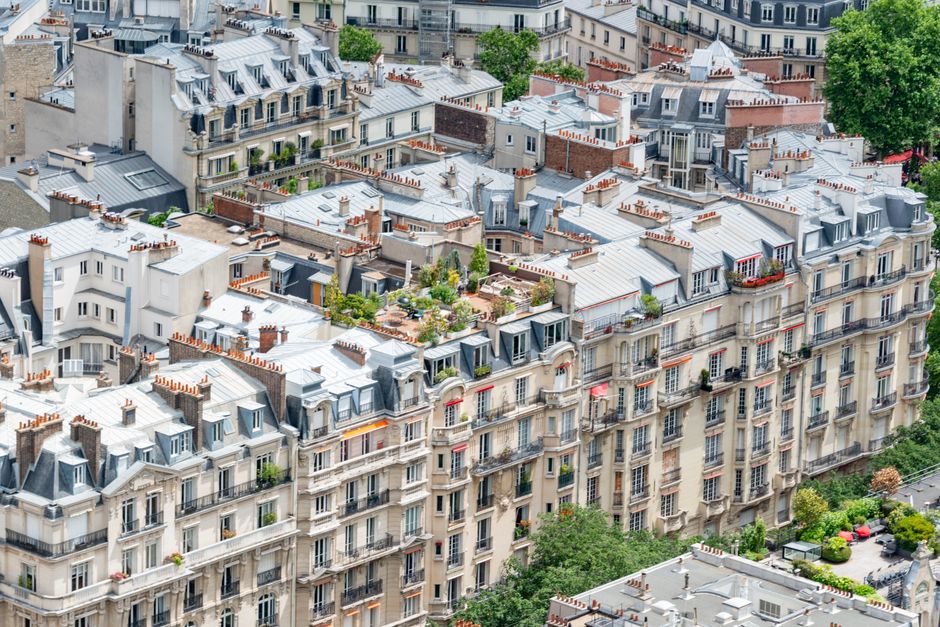
Navigating Paris sounds romantic in theory. In practice, it's a daily puzzle that locals have spent years perfecting. We spoke with commuters across different arrondissements to uncover what actually works when you're living here, not visiting.
The Metro myth versus reality
Yes, the RATP network is vast—16 lines, 308 stations—but timing is everything. Office workers heading toward La Défense or the financial district near Bercy suggest boarding before 8:15 a.m. or after 9:30 a.m. to avoid the genuine crush of rush hour. A monthly Navigo Easy pass costs €84.50, which most daily commuters confirm is the only financially sensible option. The real talk: signal failures happen. Line 4, running through the Marais and Châtelet, has developed a reputation for unexplained delays. Locals building this into their schedule aren't being pessimistic—they're being pragmatic.
The vélo renaissance is real, but with caveats
Vélib', Paris's bike-sharing system, expanded significantly and now operates nearly 1,400 stations across the city. Residents in the 5th and 11th arrondissements swear by it for distances under three kilometres—particularly the riverside routes along the Seine toward Île Saint-Louis. However, locals are honest: rush hour cycling on Boulevard Saint-Germain requires nerves of steel. Many who bike regularly invest in their own rather than relying on the rental system, citing reliability and the ability to store gear.
Walking wins more often than expected
This one surprises newcomers. From République to Bastille, from the Latin Quarter to Montmartre, many Parisians discover that walking—really walking—beats waiting. The 4th and 6th arrondissements, with their human-scaled streets and manageable topography, are particularly walkable. Locals note that Paris's average commute is around 35 minutes, and many of those minutes involve legs, not wheels.
The car question
Owning a car in central Paris is widely considered unnecessary expense. Autolib' (now Mobilize) car-sharing serves those rare days requiring wheels, though parking alone—averaging €15-30 per hour in prime areas—makes casual driving prohibitive. Most locals reserve cars for day trips outside the périphérique.
The unsexy truth
Real Parisians mix methods. Tuesday might be Metro, Thursday could be bike, and rainy Wednesdays mean walking with an umbrella. The city rewards flexibility. Apps like Citymapper help coordinate options, but locals emphasize knowing your primary route deeply—knowing which entrance at Châtelet avoids crowds, which exit at Montparnasse connects fastest to street level. That's how you actually live here.
This article was compiled by AI from the sources linked above and screened before publishing. See our editorial standards.