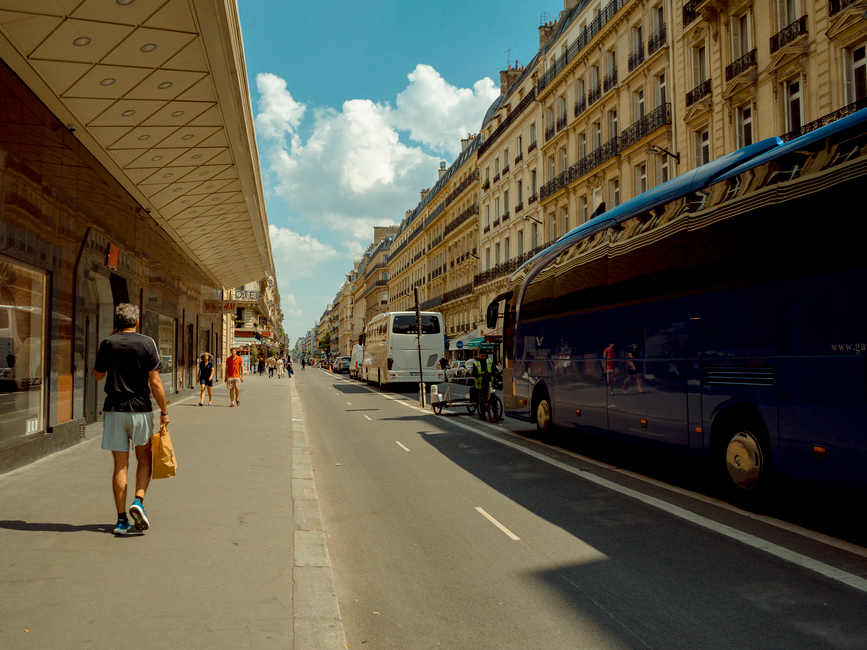
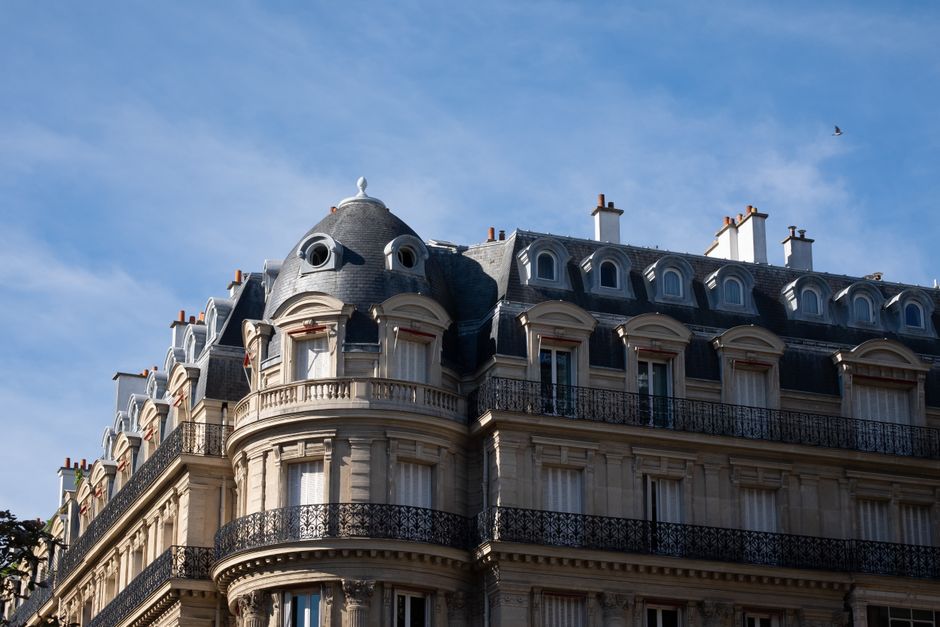
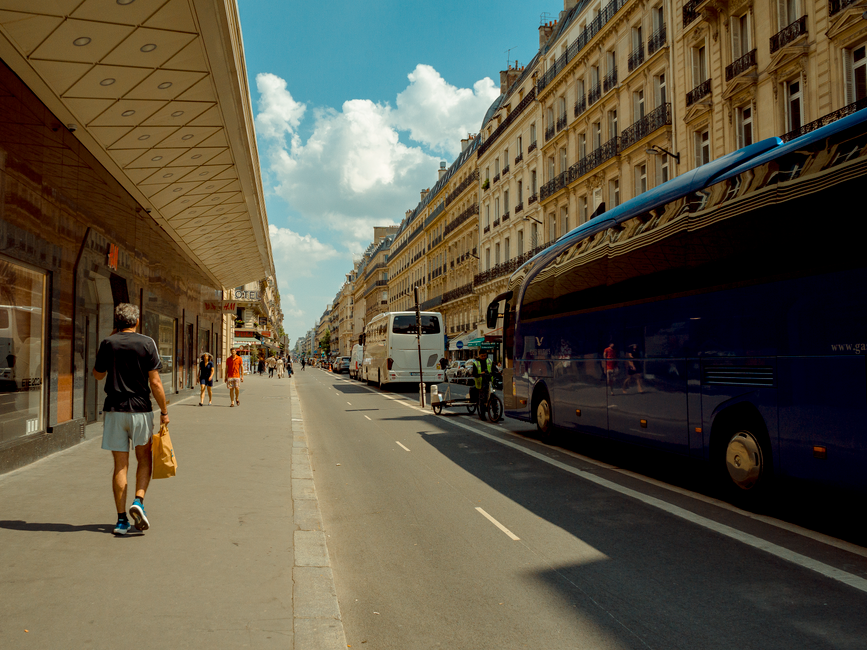
If you arrived in Paris five years ago, you'd hardly recognise the city today. The transformation isn't dramatic—there are no gleaming mega-structures—but rather a thoughtful reimagining of how Parisians actually live, work, and move through their capital. For newcomers considering the leap, this moment feels particularly right.
Start with transport. The expansion of Line 15 of the Metro, completed in phases through 2025, has fundamentally altered commute patterns and neighbourhood desirability. The southern extension now connects Saint-Denis to Pont de Sèvres, making previously peripheral areas like Montrouge suddenly viable for young professionals. Rents in these districts have stabilised—hovering around €800–€1,000 for a one-bedroom—while the Left Bank's traditional 5th and 6th arrondissements remain prohibitively expensive at €1,200 and above.
But the real magic is happening in the 11th and 20th arrondissements. Belleville and Ménilmontant, long dismissed as gritty and bohemian, have become genuinely liveable without losing character. The opening of the Parc de la Villette's redesigned cultural quarter in late 2025 injected new energy into the 19th, attracting independent galleries, design studios, and the kind of experimental restaurants that make Paris worth the rent premium. A cappuccino at a Belleville café now costs €2.50, and you're more likely to hear Dutch or Portuguese than decades past—the neighbourhood has achieved the holy grail of Parisian renewal: it's popular with locals, not just tourists.
The city's commitment to cycling infrastructure—over 1,000 kilometres of protected lanes now—has also shifted behaviour. Expats accustomed to car-dependent cities are often shocked to discover they don't need transport beyond a €80 annual Vélib' membership and the Metro card. It sounds simple, but it genuinely changes your relationship with the city. You stop thinking in terms of arrondissements and start thinking in terms of neighbourhoods.
Perhaps most significantly, Paris's food scene has democratised. The reign of Michelin-star gatekeeping has weakened; bistros serving excellent €18 plates are more celebrated than ever. The reopened Marché des Enfants Rouges in the 3rd arrondissement, thoroughly modernised while maintaining its 1615 soul, has become a genuine community hub rather than a tourist photograph opportunity.
For relocating professionals, the practical reality is this: Paris in 2026 offers better value outside the golden triangle of the 1st, 6th, and 8th than perhaps any time in the past decade. The trade-off—a slightly longer commute—is offset by genuine neighbourhood character and a city that finally feels like it's being lived in again, not merely preserved.
This article was compiled by AI from the sources linked above and screened before publishing. See our editorial standards.