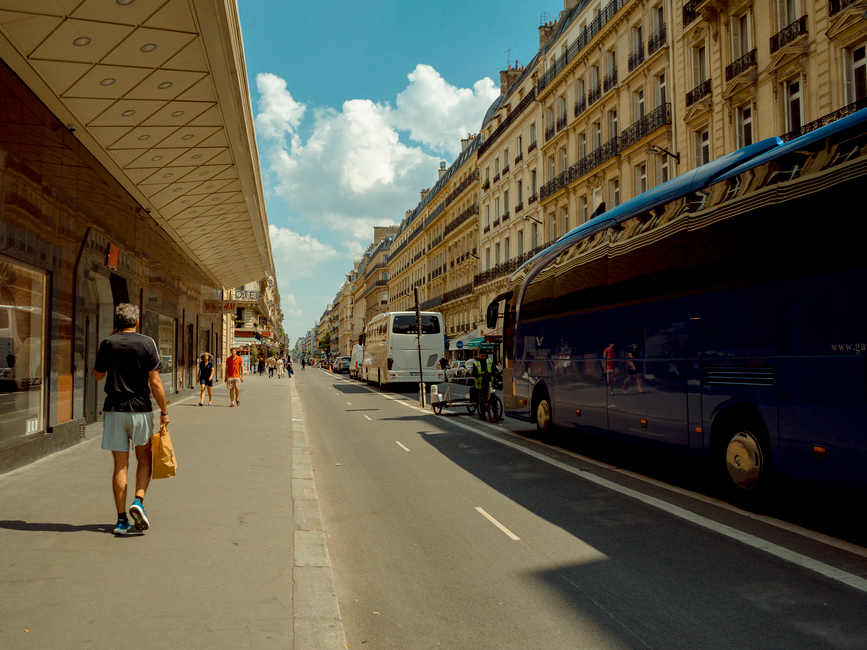
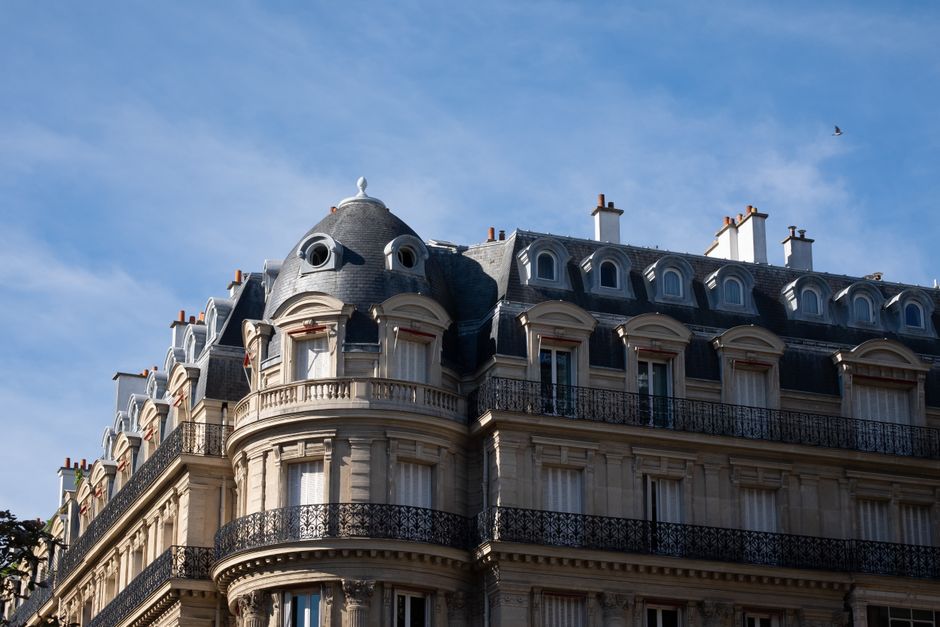
The Faces Behind the Façades: Meet the Neighbourhood Souls Making Paris Feel Like Home
From Belleville's studio artists to Le Marais's family-run bistros, these are the people transforming Paris's most beloved quartiers into living communities.
From Belleville's studio artists to Le Marais's family-run bistros, these are the people transforming Paris's most beloved quartiers into living communities.
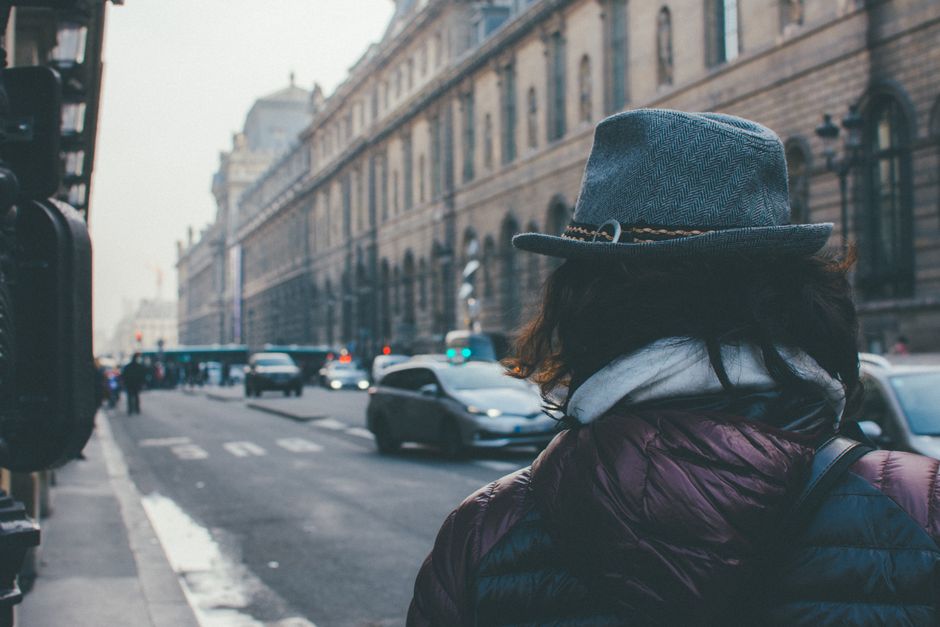
Paris's reputation rests on monuments and museums, but anyone who has truly lived here knows the real magic happens on the neighbourhood level—in the relationships that transform a city into a home. This summer, as tourists flood the Champs-Élysées, real Parisians are navigating the intimate ecosystems of their own quarters, where shopkeepers remember names and community gardens bloom.
In Belleville, the 20th arrondissement's creative heart, a quiet revolution continues. The neighbourhood, once Paris's poorest district, has attracted artists, musicians and young families drawn by affordable studios and authentic street culture. Along Rue de Belleville itself, independent galleries and music venues operate alongside Turkish bakeries and Vietnamese pho shops—remnants of successive waves of immigration that have defined the area's identity. What keeps Belleville human, rather than merely fashionable, are its longtime residents who've watched property values climb from €2,500 to €8,000 per square metre over two decades, yet still maintain community gardens and organise street festivals.
Le Marais tells a different story. Here, in the 3rd and 4th arrondissements, historic narrow streets host a dense social fabric where LGBTQ+ communities, Jewish heritage institutions, Jewish businesses, and young professionals coexist. The Sainte-Catherine pedestrian square functions as the quarter's living room—locals gather at café terraces, children play while parents sip espresso, and street musicians provide the soundtrack. Family-run delis on Rue des Rosiers continue multi-generational traditions alongside contemporary boutiques.
Meanwhile, Canal Saint-Martin in the 10th has evolved into Paris's de facto neighbourhood for young creatives and families seeking community. The 4.3-kilometre waterway lined with cafés and independent shops attracts locals who use the space as intended: for living, not performing. Saturday morning markets pulse with residents selecting vegetables and cheese, not selfie-stick-wielding crowds.
What distinguishes these neighbourhoods from mere tourist attractions is institutional memory—the yoga studio owner who's been on Rue du Faubourg Saint-Denis for fifteen years, the librarian at Bibliothèque Forney who curates exhibitions for local residents, the community associations organising everything from neighbourhood cleanups to intergenerational language exchanges.
Paris remains expensive—average rent for a one-bedroom apartment hovers around €700 monthly in central arrondissements—yet these pockets of authentic community persist precisely because people choose to prioritise belonging over isolation. In a rapidly changing city, the faces of Paris are its greatest asset: the people who choose to stay, participate, and transform their neighbourhoods into genuine homes.
This article was compiled by AI from the sources linked above and screened before publishing. See our editorial standards.
How does this story make you feel?
Spread the word
About this article
Published by The Daily Paris
Daily brief
Free, in your inbox before 7am. Weekdays.
More in lifestyle