Where Paris Lives: How the City's Parks Reveal the Soul of Each Neighbourhood
From Canal Saint-Martin's creative commons to Buttes-aux-Cailles' bohemian gatherings, green spaces are where neighbourhood identity truly blooms.
From Canal Saint-Martin's creative commons to Buttes-aux-Cailles' bohemian gatherings, green spaces are where neighbourhood identity truly blooms.
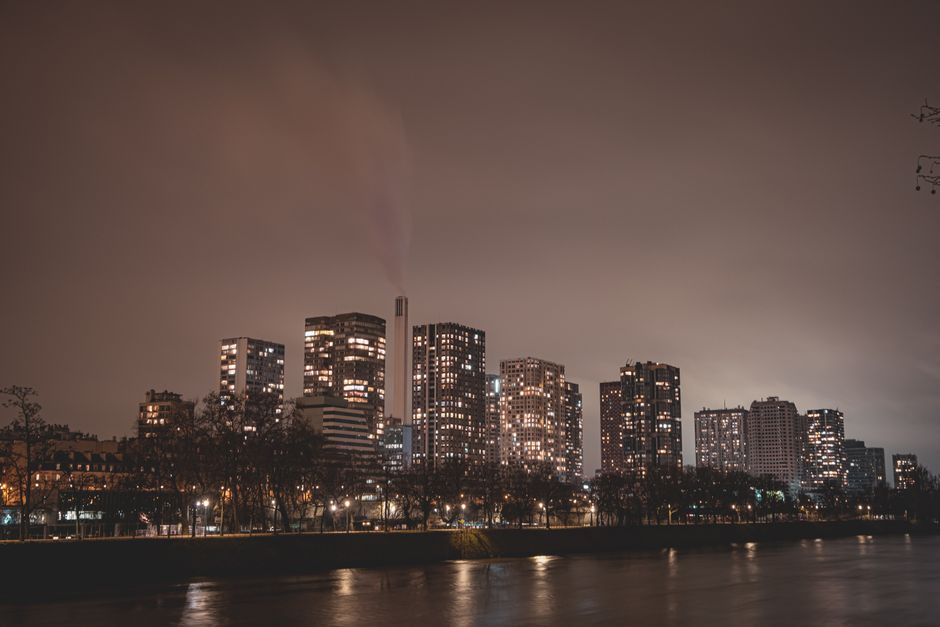
On a Tuesday morning in late June, the Canal Saint-Martin pulses with a particular energy. Young professionals clutching oat milk lattes settle on the waterside benches, freelancers balance laptops on their knees, and children scatter breadcrumbs along the towpath. This isn't merely a place to catch a breath of fresh air—it's where the 10th arrondissement performs its identity as Paris's creative quarter, where 1,465 square metres of public waterfront have become an unofficial community living room.
Walk fifteen minutes east to Belleville, and the neighbourhood's character transforms entirely. Here, the Parc des Buttes-aux-Cailles—a modest 3.5-hectare space tucked between Rue de la Vieuville and Rue Davey—serves as the beating heart of a fiercely independent community. Street art blooms on surrounding walls, local residents host informal picnics beneath the mature plane trees, and the unmistakable hum of multiple languages reflects a neighbourhood that remains genuinely multicultural despite relentless gentrification pressures.
These aren't accidents of urban planning. Paris's 490 parks and green spaces—encompassing roughly 3,000 hectares—function as neighbourhood mirrors, each reflecting the distinct character of its surrounding community. The Jardins de l'Atlantique, perched atop Montparnasse station, attracts a different demographic entirely: older Parisians on benches, couples anniversary-celebrating in romantic grottos, professionals stealing lunch breaks between glass towers.
The democratisation of outdoor living has intensified markedly. Post-pandemic, permanent seating areas and food vendors have proliferated; the Parc de la Villette now hosts over 100 temporary outdoor dining installations during summer months, up from just fifteen in 2022. Meanwhile, initiatives like Paris Respire—which closes certain streets to car traffic on Sundays—have injected new vitality into neighbourhood relationships, with local residents reclaiming asphalt for al fresco wine tastings and children's games.
Yet this green renaissance remains contentious. Property values surrounding recently renovated parks have surged 12-18 per cent in three years, according to local real estate data, raising uncomfortable questions about who ultimately benefits from these communal spaces. Long-time residents of Belleville and Canal Saint-Martin increasingly share observations about shifting demographics and rising café prices that price out original communities.
Still, on any given evening, Paris's parks reveal something essential: the city isn't monolithic. It's a collection of distinct villages, each with its own rituals, hierarchies, and sense of belonging. The parks simply make those neighbourhoods visible.
This article was compiled by AI from the sources linked above and screened before publishing. See our editorial standards.
How does this story make you feel?
Spread the word
About this article
Published by The Daily Paris
Daily brief
Free, in your inbox before 7am. Weekdays.
More in lifestyle