Raising Families in Le Marais Paris: The Shifting Quartier
Le Marais's family scene is transforming as schools see 12% enrollment growth and young parents navigate rising rents. Discover how Paris's historic quartier is redefining childhood.
Le Marais's family scene is transforming as schools see 12% enrollment growth and young parents navigate rising rents. Discover how Paris's historic quartier is redefining childhood.

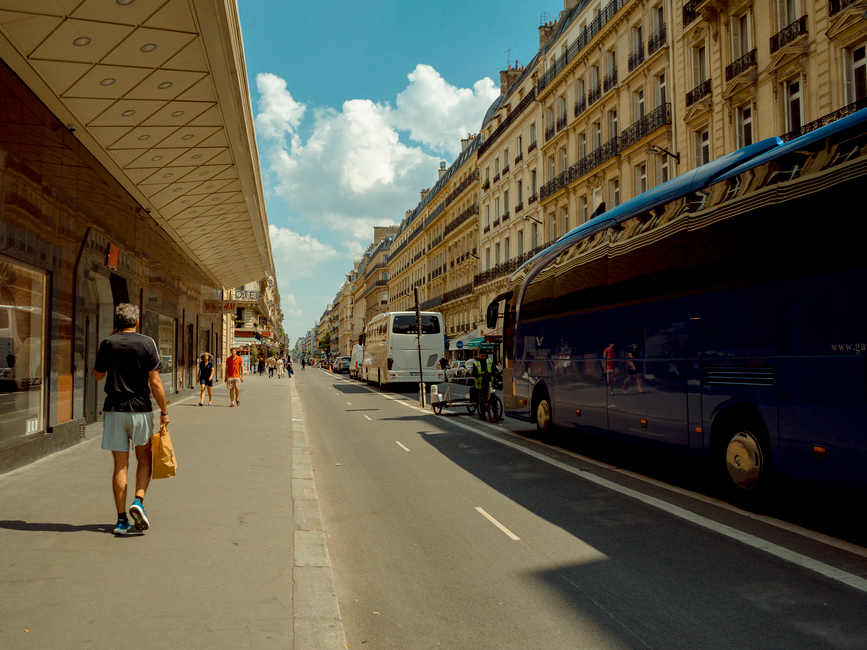
Walk along Rue de Turenne on a Tuesday afternoon and you'll notice something that would have seemed unlikely a decade ago: prams outnumber cocktail enthusiasts at the cafés. Le Marais, long synonymous with nightlife and design galleries, is experiencing a profound demographic shift that's reshaping how families live, learn, and parent in one of Paris's most coveted neighborhoods.
The numbers tell the story. School admissions data from the 4th arrondissement shows that enrollments in primary schools have climbed 12 percent since 2020, with waiting lists for École Élémentaire Des Blancs Manteaux stretching back months. Meanwhile, family-sized apartments—those mythical three-bedroom units—are commanding €8,500 to €12,000 monthly, forcing many young parents toward the increasingly attractive alternatives of the 11th and 12th arrondissements.
This migration is creating a bifurcated Marais: wealthier families—often from finance, tech, and creative industries—are settling in renovated historic hôtels particuliers and new developments near Place des Vosges, while middle-income parents are seeking community in pockets like Rue de Bretagne, where cooperative housing initiatives and intergenerational co-living projects are emerging.
The evolution runs deeper than real estate. Independent bilingual schools like École Montessori Marais have expanded their waiting lists, reflecting parents' appetite for alternative pedagogies over the traditional lycée track. Simultaneously, public schools are investing heavily in digital literacy and sustainability curricula—an acknowledgment that Marais families increasingly prioritize environmental consciousness and tech fluency.
Parenting culture itself has transformed. The neighborhood's first parent-run cooperative childcare space opened last year on Rue des Francs-Bourgeois, operating on a sliding-scale fee system. Weekend programming at institutions like the Centre Culturel du Marais now dedicates significant space to family workshops, moving beyond the gallery-opening scene that once defined the quarter.
Yet tensions simmer. Long-time residents worry about gentrification's impact on community cohesion. Local educators report that socioeconomic diversity in classrooms has diminished noticeably, with implications for social integration. Meanwhile, parents from established families express frustration about overcrowding in schools and the loss of quiet residential character.
What's clear is that Le Marais's transformation mirrors larger Parisian anxieties: how does a historic neighborhood balance heritage with growth? How do cities accommodate young families without sacrificing the character that attracted them originally? For Marais parents today, these aren't abstract questions—they're the daily calculus of school choice, neighborhood walks, and community belonging.
This article was compiled by AI from the sources linked above and screened before publishing. See our editorial standards.
How does this story make you feel?
Spread the word
About this article
Published by The Daily Paris
Daily brief
Free, in your inbox before 7am. Weekdays.
More in lifestyle