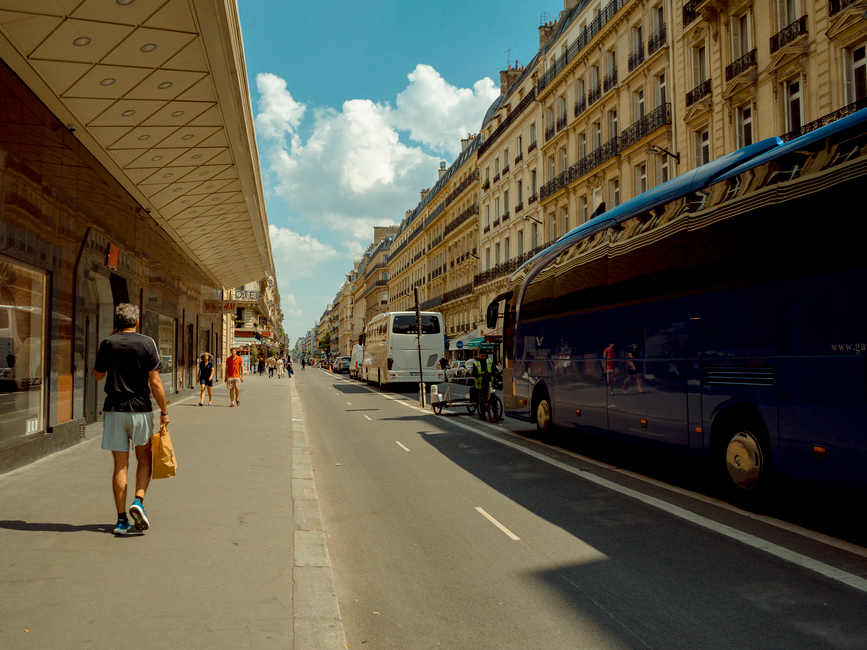
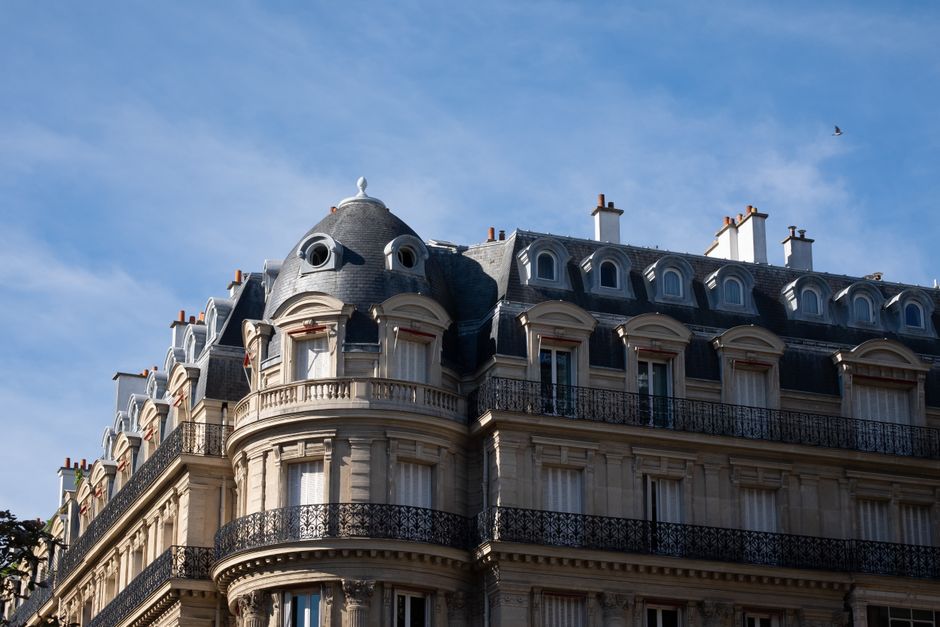
Walk through the Jardin du Luxembourg on a Wednesday afternoon and you'll witness something increasingly rare in global cities: children playing unsupervised while parents sit nearby, trusting the environment rather than hovering. This casual confidence in public space is perhaps the most visible distinction of Parisian family life—a philosophy that extends far beyond playgrounds.
The structural differences begin early. France's école maternelle, or nursery school, is free and universal from age three, fundamentally reshaping family economics compared to London, New York, or Sydney. For Parisians, childcare isn't a six-figure decision; it's a public service. This accessibility changes everything about how families navigate work and parenthood, particularly for mothers entering or re-entering professional life.
The école itself reflects distinctly French priorities. Rather than the Anglo-American emphasis on early literacy and competitive advancement, Parisian schools prioritise socialisation, art, and what educators call "vivre ensemble"—learning to live together. A typical morning at an école in the 5th arrondissement might include formal academic time alongside substantial periods for drawing, music, and outdoor play. Performance metrics and testing anxiety, which dominate conversations in American or British parenting circles, barely register here.
Perhaps most striking is the food question. French school canteens serve four-course lunches—never repeated in a four-week cycle—prepared on-site by professional cooks. A €6 meal might include market vegetables, properly cooked protein, a cheese course, and fruit. This contrasts sharply with packed lunch cultures elsewhere, where parents stress over balanced meals that children may never eat. Nutrition isn't outsourced to industrial snack brands; it's considered a pedagogical responsibility.
Parenting style itself differs measurably. The permissive parenting celebrated in some Anglo-Saxon circles would baffle most Parisian families. Boundaries, respect for authority, and the ability to entertain oneself are expected, not negotiated. Yet this coexists with genuine affection and engagement—a balance that child psychologists from other countries have spent decades studying as the "French parenting" phenomenon.
Access to culture normalises it. A family living near the Marais has the Centre Pompidou, Musée Picasso, and Maison de Victor Hugo within walking distance. Museums here offer regular family workshops and children's programming as standard practice, not premium extras. Growing up in Paris means art and literature are environmental assumptions, not luxury additions to a curriculum.
None of this is to suggest Paris has perfected childhood. Income inequality shapes access to better schools and neighbourhoods just as it does elsewhere. But the underlying social contract—that raising children is a collective responsibility, not purely a private consumer choice—creates a fundamentally different family landscape than most comparable global cities offer.
This article was compiled by AI from the sources linked above and screened before publishing. See our editorial standards.