The Left Bank's Commute Revolution: How Seine-Side Transport is Being Reimagined
From cargo bikes replacing delivery vans to a radical reimagining of the Quai d'Austerlitz, Paris's Left Bank is becoming a case study in sustainable urban mobility.
From cargo bikes replacing delivery vans to a radical reimagining of the Quai d'Austerlitz, Paris's Left Bank is becoming a case study in sustainable urban mobility.
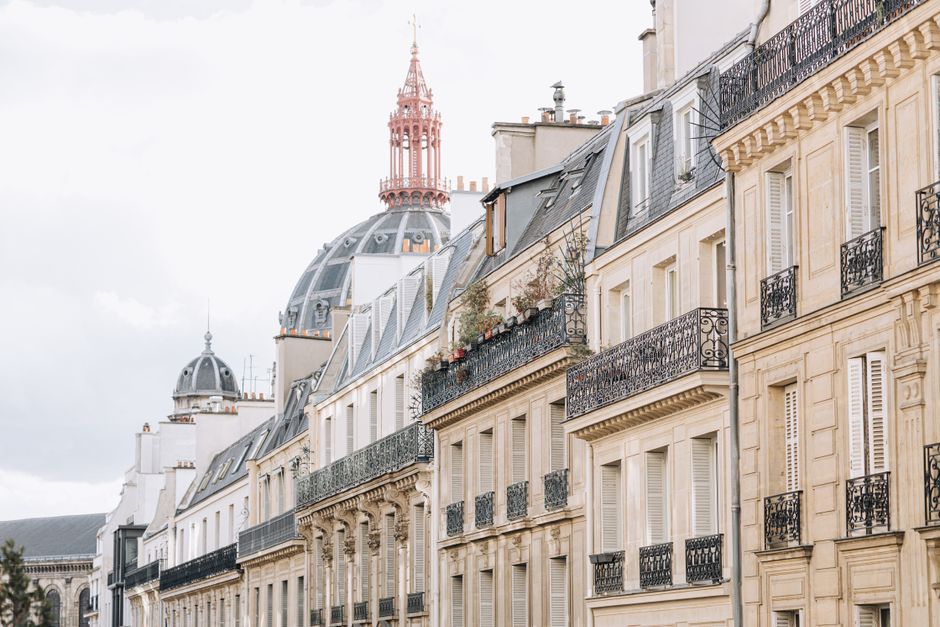
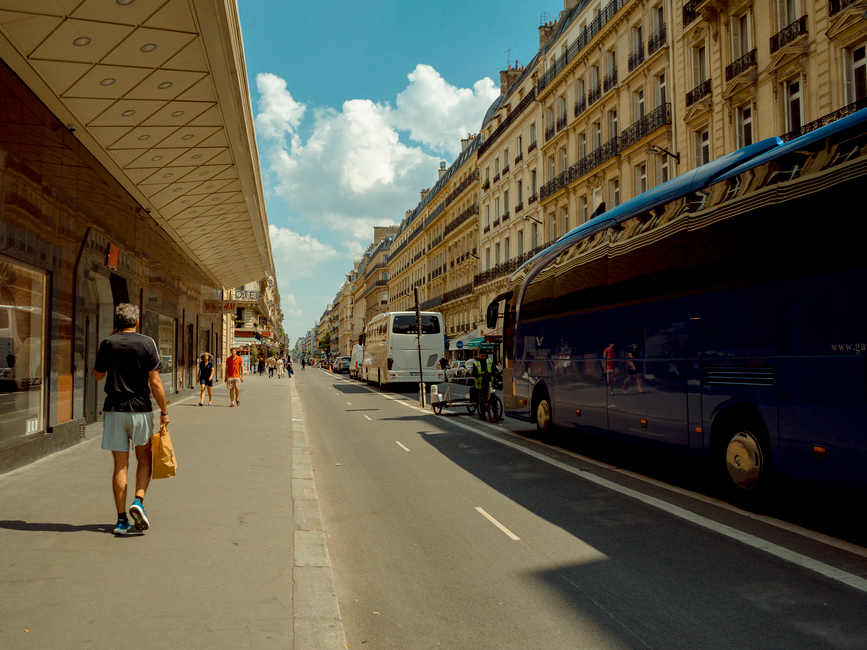
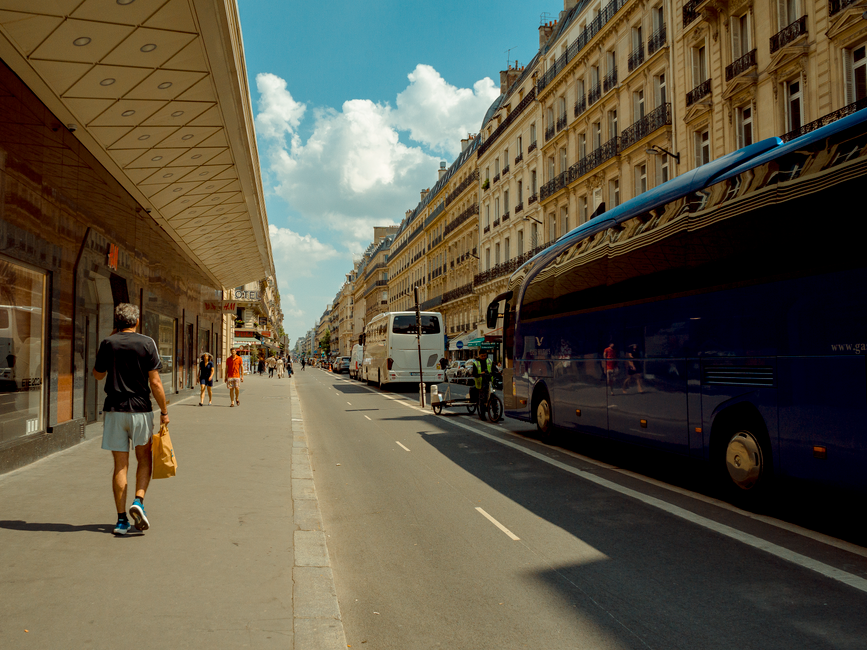
Five years ago, the stretch of Boulevard Saint-Germain between Rue de Rennes and Rue de Buci was pure automotive chaos—delivery trucks, private cars, and taxis competing for every centimetre. Today, it's becoming something almost unrecognizable: a zone where electric cargo bikes outnumber traditional vans, where residents increasingly eschew car ownership, and where the infrastructure itself is evolving faster than most Parisians expected.
The transformation began in earnest in 2024 when the Mairie du 6e arrondissement expanded its "Cargo à Vélo" initiative, offering substantial subsidies to local businesses willing to switch from petrol-powered delivery vehicles. Now, artisanal cheese shops near the Odette Toilette restaurant and boutiques along Rue Guisarde receive daily deliveries via electric-assist bicycles. The program has reduced delivery vehicle traffic on these narrow medieval streets by approximately 34 percent, according to local transport authority RATP's 2025 mobility report.
But the real game-changer has been the Vélib' Métropole expansion and the introduction of autonomous last-mile shuttles on the Quai d'Austerlitz. The area, historically a logistics hub, is being repurposed into what officials are calling a "mobility village." By August, a pilot scheme will launch allowing residents to book fifteen-minute micro-mobility journeys using a combination of e-scooters, folding e-bikes, and small autonomous pods—all coordinated through a single app. Monthly subscriptions start at €35.
The shift is particularly evident among younger professionals working in the 5e and 6e arrondissements. Where previous generations commuted via Metro or car, increasingly twenty- and thirty-somethings are adopting what lifestyle researchers call "mosaic commuting"—combining multiple transport modes. A typical journey might involve a Vélib' bike from home in the Marais, a ten-minute Métro hop from Bastille to Saint-Michel, then an e-scooter to their office near the Luxembourg Gardens.
Car ownership in the Left Bank's core neighbourhoods has dropped 18 percent since 2022. Simultaneously, car-sharing memberships have tripled. The City of Paris reports that congestion on routes feeding into the 6e arrondissement has decreased by 22 percent over the same period.
Skeptics note that these changes primarily benefit affluent residents with stable addresses and disposable income for tech subscriptions. Yet the infrastructure shift itself is undeniable. The Left Bank's transport ecosystem—once dominated by the private automobile—is fundamentally reorganizing itself around speed, sustainability, and accessibility. By 2026, it's becoming the urban laboratory where Parisians are quietly deciding what modern commuting actually looks like.
This article was compiled by AI from the sources linked above and screened before publishing. See our editorial standards.
How does this story make you feel?
Spread the word
About this article
Published by The Daily Paris
Daily brief
Free, in your inbox before 7am. Weekdays.
More in lifestyle