Where Paris Breathes: Inside the Neighbourhood Soul of the City's Hidden Green Spaces
From Belleville's intimate corners to the Canal Saint-Martin's bohemian energy, Paris's parks reveal the authentic character of their surrounding communities.
From Belleville's intimate corners to the Canal Saint-Martin's bohemian energy, Paris's parks reveal the authentic character of their surrounding communities.
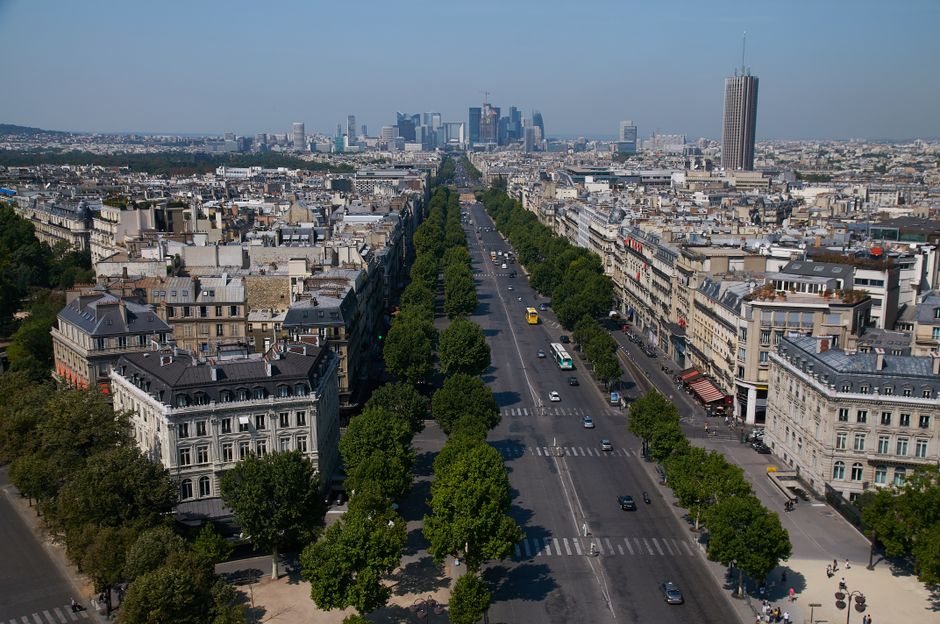
Walk into Parc des Buttes-aux-Calles on a Tuesday morning and you'll witness the real pulse of the 19th arrondissement—not the postcard version, but the lived-in neighbourhood that locals fiercely protect. Retirees cluster around chess tables while young parents navigate the terraced slopes with toddlers. This is where community identity isn't performed; it's embodied in small rituals and intergenerational routines.
The 19th has transformed dramatically over the past decade, yet its green spaces remain anchors of neighbourhood character. Parc des Buttes-aux-Calles, with its dramatic 100-metre elevation and sweeping city views, hosts an estimated 8,000 visitors weekly—a remarkable figure for a space that many tourists never discover. The park's intimate pathways, rustic wooden benches, and community gardens reflect the arrondissement's working-class history and multicultural present. Here, you'll overhear conversations in Arabic, Mandarin, and French simultaneously.
Just south, the Canal Saint-Martin neighbourhood exhibits a different green-space ethos entirely. The 4.7-kilometre waterway, lined with poplars and willows, has become a magnet for creative types priced out of the Marais. The canal-side culture—picnickers with natural wine, artists occupying converted warehouses on rue de Marseille—represents Paris's ongoing democratization of public space. Summer weekends see up to 15,000 people utilising the banks, creating an atmosphere that feels distinctly younger, more experimental than traditional parks.
Meanwhile, in the 5th arrondissement, Jardin des Plantes operates as a sanctuary rather than a showpiece. Its 28 hectares contain not just botanical specimens but a neighbourhood philosophy: accessibility, education, and intergenerational exchange. The greenhouse complex hosts school groups, pensioners, and botanical enthusiasts in equal measure. Admission costs just €6, deliberately keeping the space economically inclusive.
What connects these spaces is their resistance to homogenization. Unlike Parisian monuments marketed globally, neighbourhood parks retain hyper-local character. The bakery adjacent to Parc des Buttes-aux-Calles knows its regulars' orders; the small restaurant overlooking Canal Saint-Martin hosts the same Sunday crowd. These aren't designed experiences but organic ecosystems where community self-perpetuates.
As Paris grapples with tourism saturation and gentrification pressures, neighbourhood green spaces represent something increasingly precious: places where locals remain the primary audience. They're where the 19th arrondissement stays itself, where the 5th maintains its intellectual dignity, where the canal communities continue their quiet cultural experiments. These parks aren't attractions to consume—they're the physical manifestations of neighbourhood identity, week after ordinary week.
This article was compiled by AI from the sources linked above and screened before publishing. See our editorial standards.
How does this story make you feel?
Spread the word
About this article
Published by The Daily Paris
Daily brief
Free, in your inbox before 7am. Weekdays.
More in lifestyle