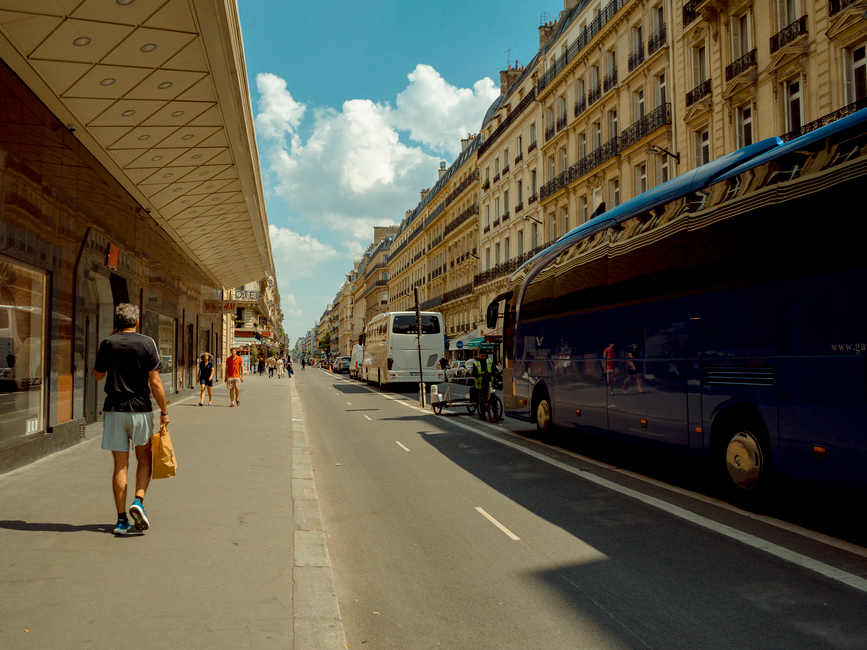
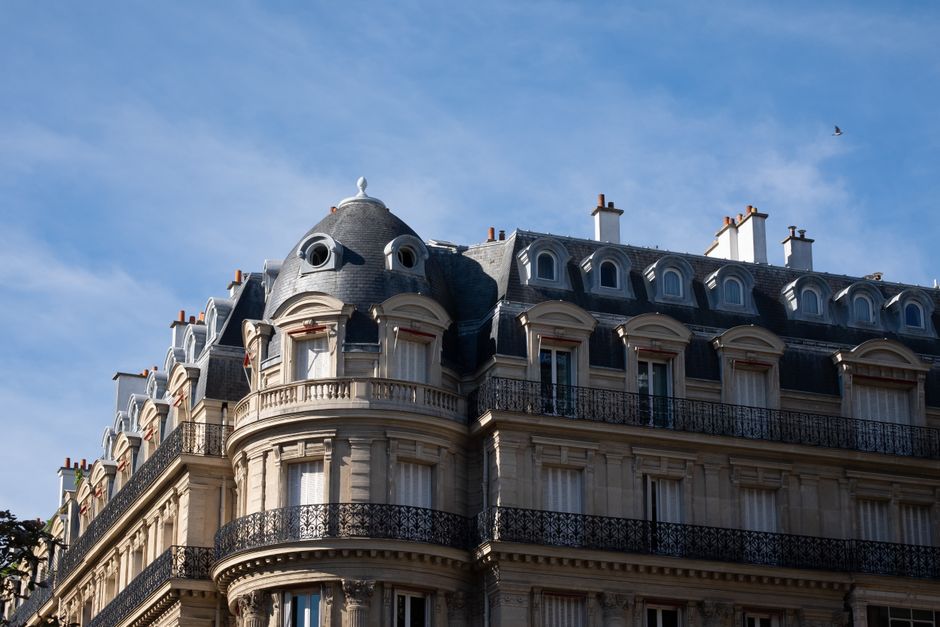
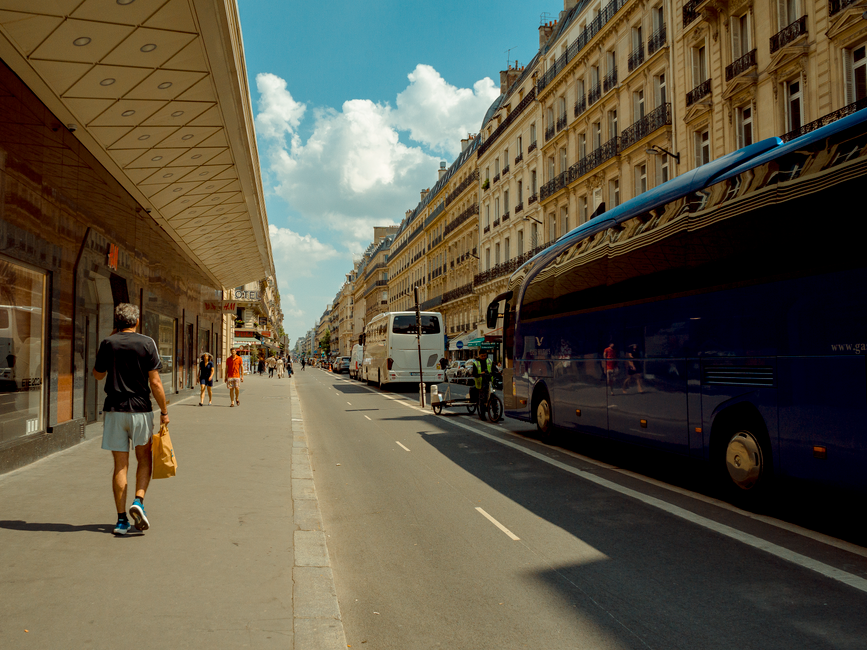
Your Practical Guide to Actually Living—Not Just Existing—in Paris
Fresh to the City of Light? Here's how to move beyond tourist trails and build a real life in the neighbourhoods that matter.
Fresh to the City of Light? Here's how to move beyond tourist trails and build a real life in the neighbourhoods that matter.
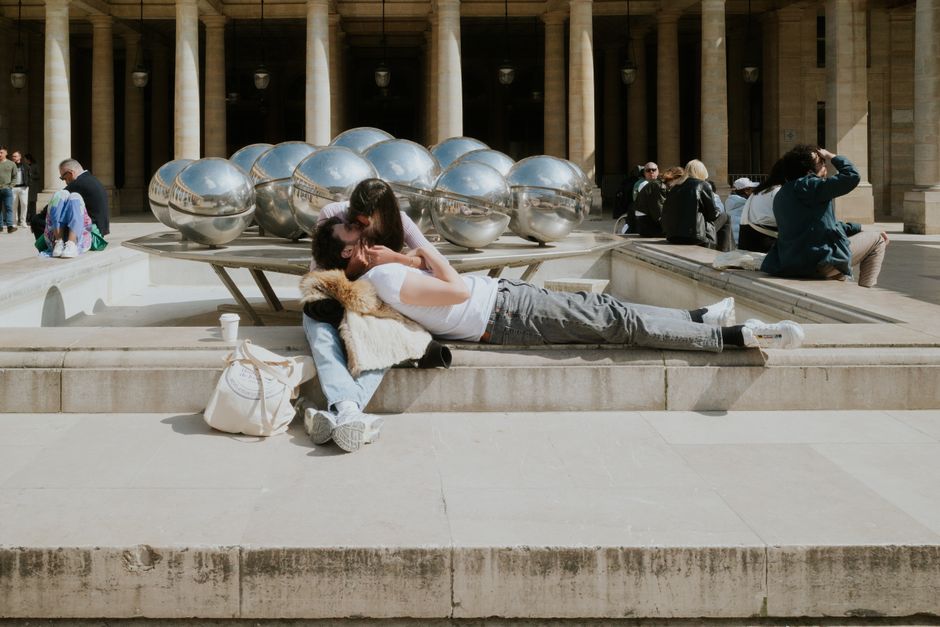
You've signed the lease. You've unpacked. Now comes the harder part: becoming a Parisian rather than simply occupying Paris.
Start with the basics. Register at your local mairie—there are twenty across the city—within two weeks of arrival. Without this official residency status (your carte de résident), opening a bank account or securing a long-term rental becomes unnecessarily complicated. Most expatriates base themselves in the 10th, 11th, or 20th arrondissements, where monthly rent for a one-bedroom averages €750–€950, considerably lower than the 6th or 8th. The 10th's Canal Saint-Martin district has become especially popular: walkable, affordable, and genuinely lived-in rather than performatively picturesque.
Language remains the essential gateway. While English works in tourist pockets, daily life—dealing with utilities, grocery shopping, making friends—demands French. Invest in lessons immediately. Organisations like France Éducation and Cours de Civilisation Française de la Sorbonne offer structured programmes, though informal conversation exchanges through platforms like Meetup often prove more enjoyable and cost nothing.
Build your practical infrastructure. Open accounts with major utilities companies (EDF for electricity, Veolia for water) before winter arrives—heating bills are significant. Familiarize yourself with RATP's public transport system; a monthly Navigo pass costs €84.90 and transforms how you navigate the city. Download apps like Citymapper and Google Maps for real-time navigation; Paris's metro still occasionally surprises even residents.
For groceries and daily life, discover the neighbourhood markets. Marché Bastille (Thursday and Sunday mornings) and Marché Belleville (Tuesday and Friday mornings) offer seasonal produce, cheese, and genuine encounters with locals. Supermarkets like Carrefour City and Monoprix exist, but markets remain where Paris actually shops.
Explore your arrondissement's cultural institutions. Every neighbourhood has municipal libraries (bibliothèques municipales), free swimming pools, and community centres offering affordable classes—from yoga to French cooking. The 11th's Espace Beaurepaire and the 20th's Centre Municipale Pelleport frequently host free events and exhibitions.
Finally, accept that integration takes time. Parisians aren't cold; they're simply selective about their social circles. Join clubs, attend neighbourhood associations, volunteer—these create genuine friendships rather than superficial expat networks. The goal isn't to remain perpetually enchanted by Paris's monuments, but to become unremarkably at home in its rhythms, quirks, and quiet corners.
Paris rewards those willing to stay.
This article was compiled by AI from the sources linked above and screened before publishing. See our editorial standards.
How does this story make you feel?
Spread the word
About this article
Published by The Daily Paris
Daily brief
Free, in your inbox before 7am. Weekdays.
More in lifestyle