Soul of the 11th: How Oberkampf's Bars Became a Mirror of Modern Paris
From vintage wine lounges to underground clubs, the neighbourhood's watering holes reveal a city balancing heritage with reinvention.
From vintage wine lounges to underground clubs, the neighbourhood's watering holes reveal a city balancing heritage with reinvention.
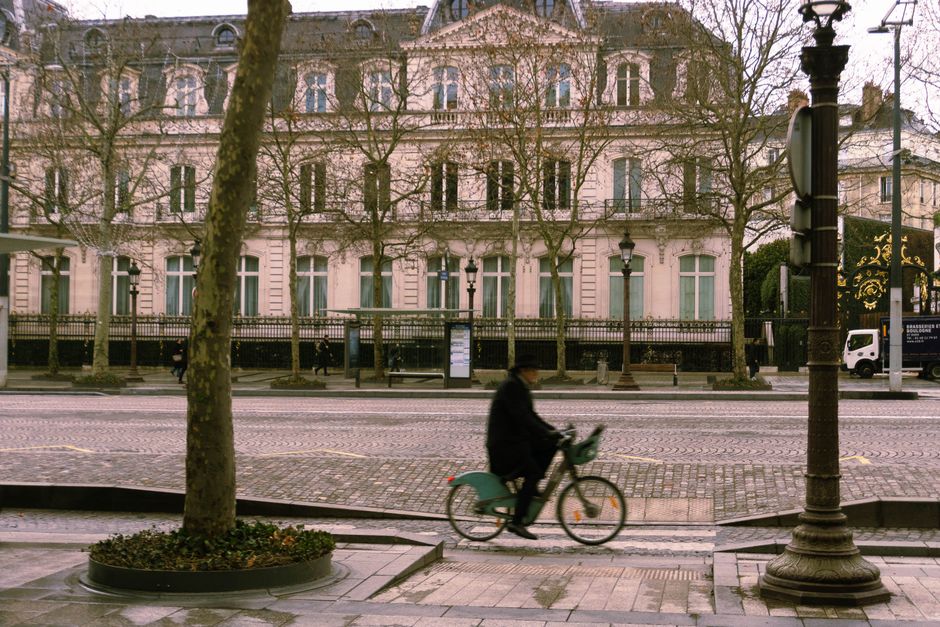
Walk down rue Oberkampf on a Friday evening and you're witnessing something increasingly rare in Paris: a neighbourhood where locals still outnumber tourists, where bartenders remember your name by drink two, and where the character of a street is dictated not by chains or Instagram aesthetics, but by the people who've chosen to build community here.
The 11th arrondissement's bar scene has undergone quiet transformation over the past five years. Where once gentrification threatened to homogenise the neighbourhood, a deliberate resistance has emerged from venue owners and patrons alike. Traditional zinc counters remain the spine of social life here. At Le Comptoir Général, tucked near the Canal Saint-Martin intersection, regulars—construction workers, designers, pensioners—still gather for apéros, nursing €4 glasses of house wine while reading Le Monde.
The neighbourhood's character crystallises around accessibility and authenticity. Average drink prices hover between €5 and €12, significantly lower than the Marais or Latin Quarter. This economic reality shapes who frequents these spaces. You'll find mixed-age groups, multicultural friendship circles, and a genuine cross-section of Parisian society—precisely what urban planners now recognise as markers of thriving neighbourhoods.
Newer venues have embraced this ethos rather than fighting it. Craft cocktail bars along rue Jean-Pierre Timbaud have deliberately avoided the sleek minimalism of their counterparts elsewhere, instead maintaining exposed brick, second-hand furniture, and owner-curated music. The message is consistent: we're building something for us, not for your Instagram feed.
Evening social rituals here also remain distinctly Parisian. Aperitif culture—that sacred 7-9pm window—still dominates. Groups settle into corner banquettes for unhurried conversation over natural wines and small plates. The rhythm is methodical, almost protective of a lifestyle increasingly pressured by 24-hour culture and transience.
Late-night venues reveal another layer. Underground clubs like Concrete near Gare de Lyon continue attracting serious dancers rather than casual revellers, maintaining artistic credibility within techno and electronic music communities. This specificity—the refusal to be everything to everyone—defines neighbourhood character here.
What makes the 11th's bar scene significant isn't novelty; it's resistance. In a Paris where every neighbourhood risks becoming a lifestyle brand, Oberkampf and its surrounds have chosen continuity over disruption. The bars here are social infrastructure, spaces where Parisians still see themselves reflected authentically.
This article was compiled by AI from the sources linked above and screened before publishing. See our editorial standards.
How does this story make you feel?
Spread the word
About this article
Published by The Daily Paris
Daily brief
Free, in your inbox before 7am. Weekdays.
More in lifestyle