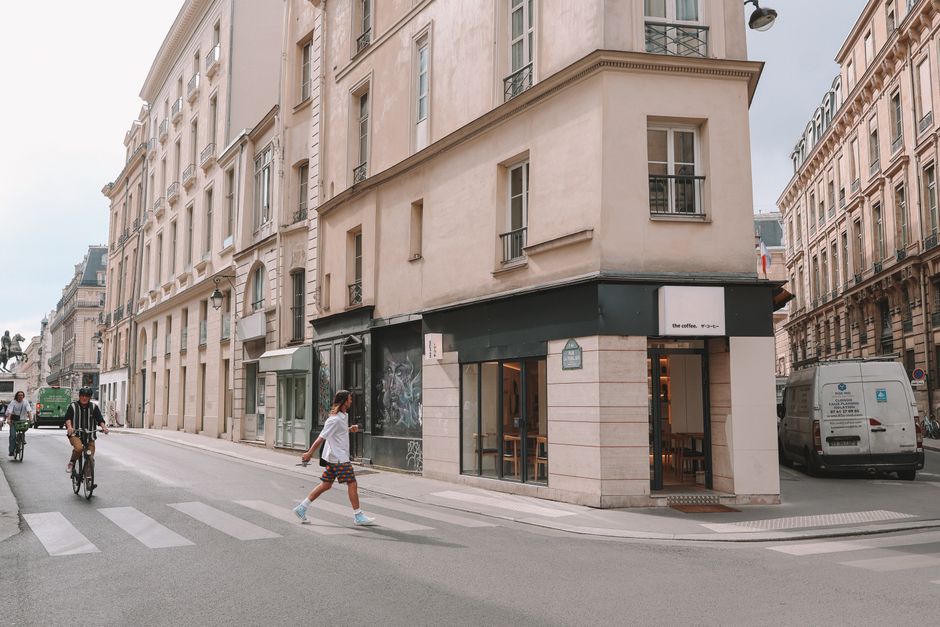
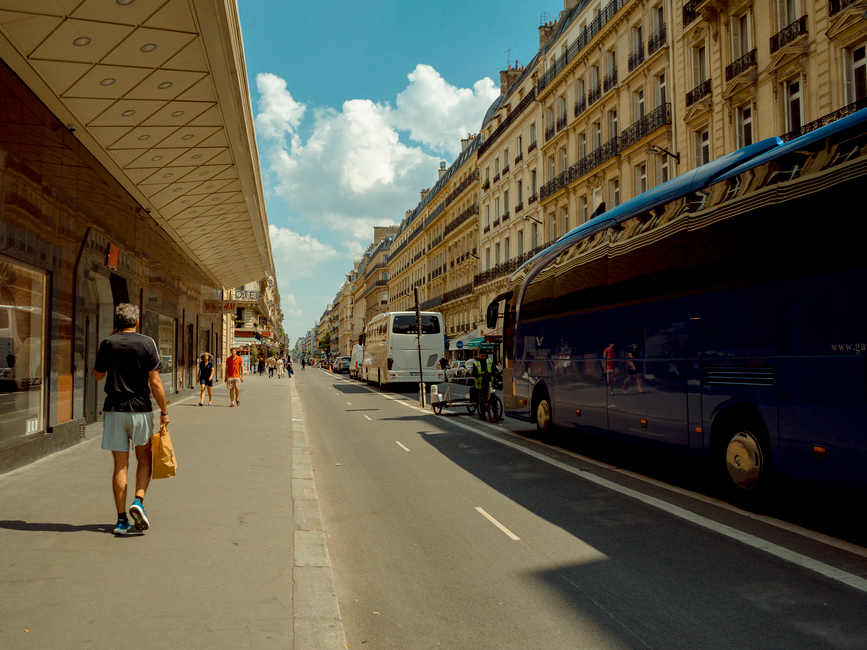
Walk along Rue de Rivoli on any weekday morning and you'll notice something decidedly different from five years ago: fewer cars, more bicycles, and a distinctly calmer energy despite the district's booming residential population. Le Marais, long Paris's most vibrant cultural and commercial hub, is undergoing a fundamental shift in how its 45,000 residents—and countless daily visitors—move through its medieval streets.
The transformation began in earnest in 2024 when the arrondissement implemented its "Circulation Apaisée" programme, progressively closing secondary streets to through-traffic and establishing dedicated cycling corridors on Rue des Francs-Bourgeois and Rue de Turenne. The impact has been substantial: transport authority RATP reported a 22 per cent increase in cycle trips through the neighbourhood by early 2026, while car traffic declined by approximately 18 per cent.
"People were sceptical initially," explains the local mairie's transport coordinator, noting that neighbouring business owners worried about delivery access. The solution? Designated two-hour loading windows between 7-9am and 6-8pm, combined with a fleet of 120 electric cargo bikes stationed at key points—Métro Saint-Paul, Place des Vosges, and near the Pompidou Centre—available through the city's growing Vélo+ sharing network.
Perhaps most significantly, the Line 1 métro—which threads directly beneath the district—extended evening service to 1:30am on Fridays and Saturdays, responding to the Marais's reputation as Paris's premier nightlife destination. Night owl commuters once faced 45-minute waits for the last trains; now, service runs every 6-8 minutes until closing.
The human experience of commuting has shifted markedly too. Rue Saint-Antoine, historically a bottleneck of exhaust and congestion, now features widened pavements with café seating and greenery—what the city calls "tiers lieux" (third spaces between home and work). Several offices have relocated here specifically because employees can now enjoy civilised commutes.
Real estate data reflects this appeal: rents in Le Marais have climbed 12 per cent since the scheme's launch, though property values have stabilised as the neighbourhood achieves residential equilibrium. Some tension remains between the artistic community and rising prices, yet the overall consensus among commuters is decidedly positive.
This June, Paris's transport authority began piloting similar schemes in the 11th and 12th arrondissements—a tacit acknowledgement that the Marais model works. As Europe's cities grapple with congestion and climate targets, one of Paris's oldest neighbourhoods has become an unlikely laboratory for the future of urban mobility.
This article was compiled by AI from the sources linked above and screened before publishing. See our editorial standards.