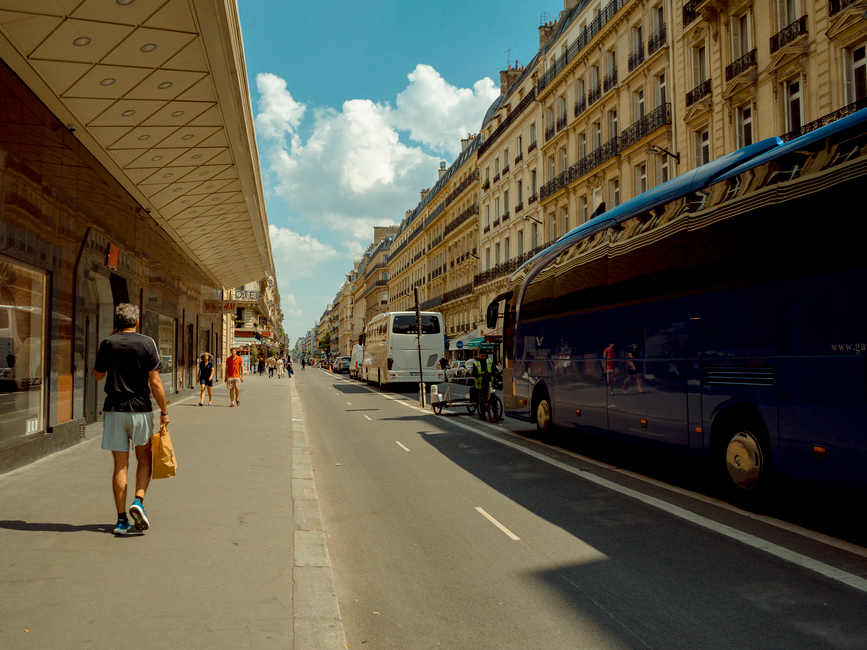
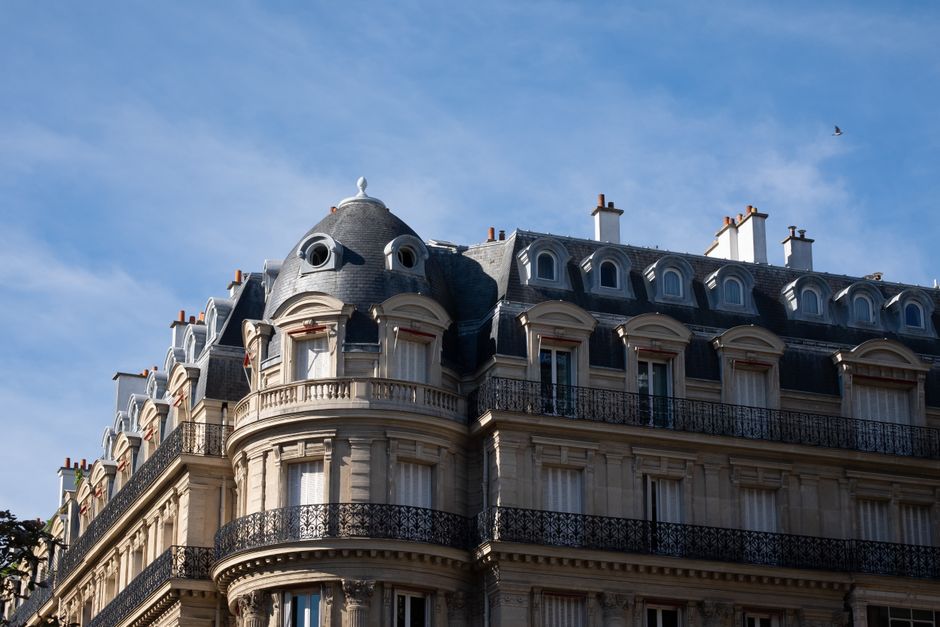
Walk down Rue des Rosiers on a Friday night in 2026, and you'll notice something has shifted in Paris's most storied district. The velvet-rope exclusivity that defined Marais nightlife for the past two decades is softening, replaced by a more democratic vision of what a night out should be.
The transformation accelerated post-pandemic, when several flagship establishments—victims of prolonged closures and changing consumer habits—shuttered their doors. But rather than fade, the neighbourhood reinvented itself. New venues prioritise accessibility and genuine community engagement over headline-grabbing celebrity sightings.
Take the proliferation of neighbourhood wine bars along Rue Vieille du Temple and Rue de Turenne. Establishments like these favour natural wines, modest interiors, and €6-8 glasses over craft cocktails at €16 a pop. The demographic has shifted too: regulars now include young professionals, students, and long-time residents—not just tourists and fashionable outsiders.
Data from the Paris Chamber of Commerce suggests that mid-range bars (€8-12 average spend) in the Marais grew by 34% between 2023 and 2025, while luxury cocktail venues declined by 12%. Live music venues have similarly exploded. Rue des Blancs Manteaux now hosts four independent venues featuring everything from jazz trios to indie folk, drawing crowds who come for the atmosphere rather than the Instagram moment.
The Jewish quarter's historic character—increasingly threatened by homogenisation—has also catalysed this shift. Local associations and venue owners have deliberately chosen to programme events celebrating Marais's multicultural heritage: klezmer nights, Maghrebi music evenings, and collaborative events with nearby cultural centres.
What's particularly striking is the emergence of non-alcoholic social spaces. A handful of new cafés and juice bars on Rue de Rivoli have become evening gathering spots, reflecting broader French attitudes toward wellness and intentional socialising—a quiet rebellion against the old model where nightlife meant drinking culture.
This doesn't mean the Marais's glamorous side has entirely vanished. Boutique hotels and upscale restaurants still thrive. But the gravitational centre has shifted. The neighbourhood is reclaiming itself from international nightlife circuits, becoming a place where locals actually want to spend their evenings again.
For visitors seeking authentic Parisian nightlife in 2026, the message is clear: the Marais's real renaissance isn't about exclusivity—it's about rediscovering why neighbours gather together.
This article was compiled by AI from the sources linked above and screened before publishing. See our editorial standards.