Parenting in Paris: What Local Families Actually Want You to Know
We asked seasoned Parisian parents for their hard-won wisdom on schools, neighbourhoods and surviving the city's notoriously demanding education system.
We asked seasoned Parisian parents for their hard-won wisdom on schools, neighbourhoods and surviving the city's notoriously demanding education system.
Paris glitters in guidebooks as a romantic dreamscape, but ask any parent juggling école maternelle applications and commutes across the 15th arrondissement, and you'll hear a different story—one of strategic compromises, hidden gems, and the occasional defeated croissant at 7 a.m.
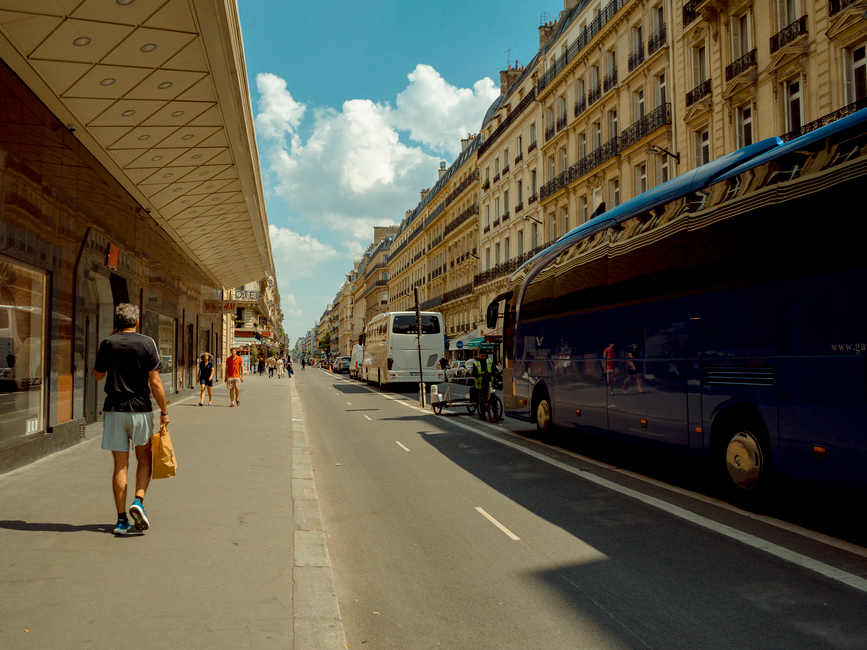
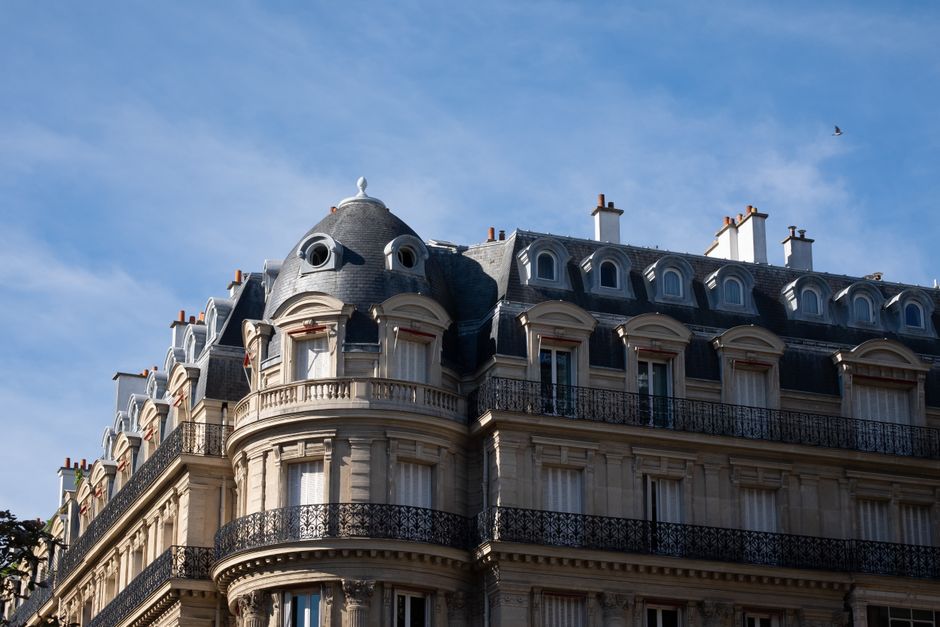
The reality of raising children here is delightfully unpolished beneath the Haussmann façades. Most Parisian families agree: forget the postcard vision and embrace pragmatism. The city's public school system ranks among France's most competitive; average class sizes hover around 25 children, and getting into a sought-after establishment requires either living in its catchment zone or having connections. Families in the 6th and 7th arrondissements report easier access to well-regarded state schools, though rental prices reflect this advantage—expect €2,000–€3,500 monthly for a three-bedroom apartment.
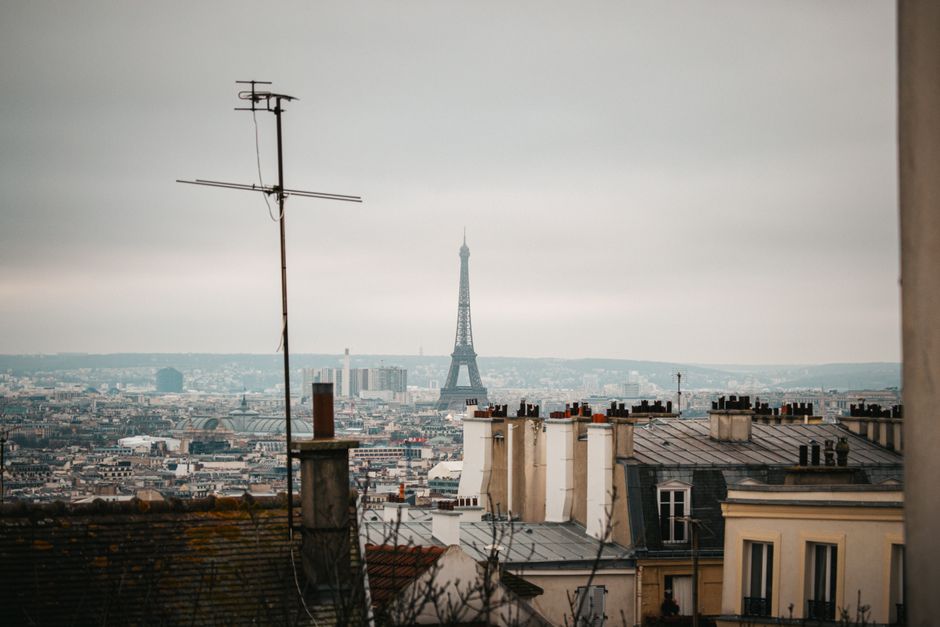
Those priced out of the central arrondissements have discovered surprising allies in the outer reaches. Montmartre and Canal Saint-Martin attract young families seeking more space without sacrificing culture. Parents praise the neighbourhood schools' unexpected dynamism and the fact that local playgrounds—like Square des Peupliers—actually have working equipment. The trade-off is a 25-minute Metro journey to central Paris offices, a reality most accept.
Extracurricular activities reveal Parisian parenting's unspoken hierarchy. Swimming lessons at Piscine Joséphine Baker (13th) and piano at the Conservatoire de Paris are aspirational benchmarks, though alternatives like community sports clubs near Parc des Buttes-aux-Cailles offer equivalent quality at fraction of private-lesson costs. After-school care through municipal périscolaire programmes costs around €150 monthly, making them essential for dual-income households.
Working parents consistently highlight what they wish they'd known earlier: the school day finishes at 4:30 p.m., and childcare infrastructure assumes you have flexibility. Grandparents living within the city are a significant advantage; those without family support cobble together arrangements with nannies, crèches, and school-based programmes. The city's subsidized crèche system is competitive but generous when accessed—monthly fees are income-adjusted, sometimes as low as €50 for low-earning families.
Perhaps most refreshingly, Parisian families reject the pressure to over-schedule. Children here walk to school, play unsupervised in parks, and parents genuinely leave them to their own devices. It's the opposite of the anxiety-driven parenting common elsewhere. Dinner happens at 8 p.m., bedtime stories stretch long, and weekends explore lesser-known museums (free entry for under-18s) or suburban forests.
The honest truth: Paris demands financial flexibility and geographic compromise, but delivers something subtler than Instagram promises—a childhood genuinely embedded in a living city.
This article was compiled by AI from the sources linked above and screened before publishing. See our editorial standards.
How does this story make you feel?
Spread the word
About this article
Published by The Daily Paris
Daily brief
Free, in your inbox before 7am. Weekdays.
More in lifestyle