Getting Around Paris in 2026: The Complete Cost and Access Guide Before You Go
From the Métro to e-bikes, here's what you need to budget and know to navigate the City of Light without breaking the bank.
From the Métro to e-bikes, here's what you need to budget and know to navigate the City of Light without breaking the bank.

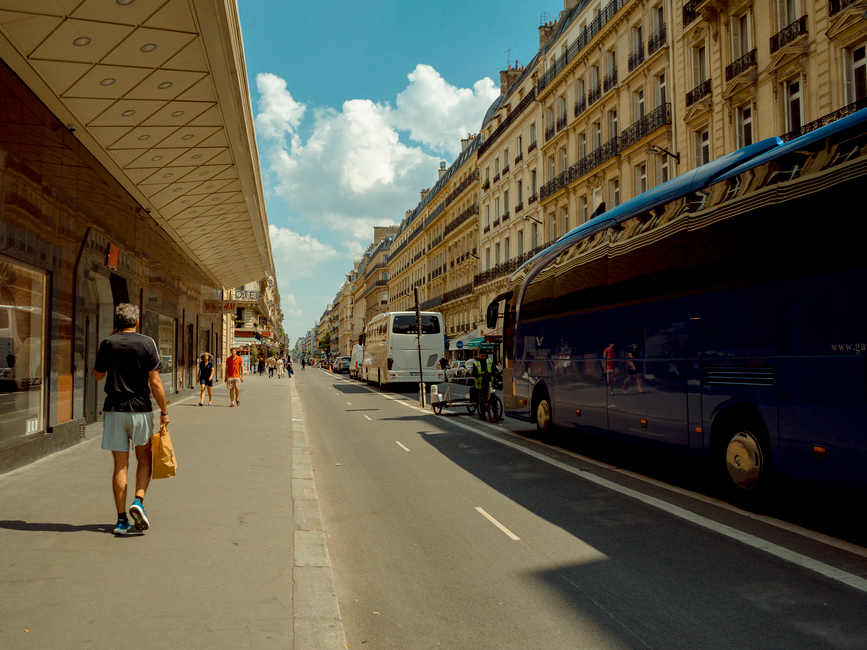
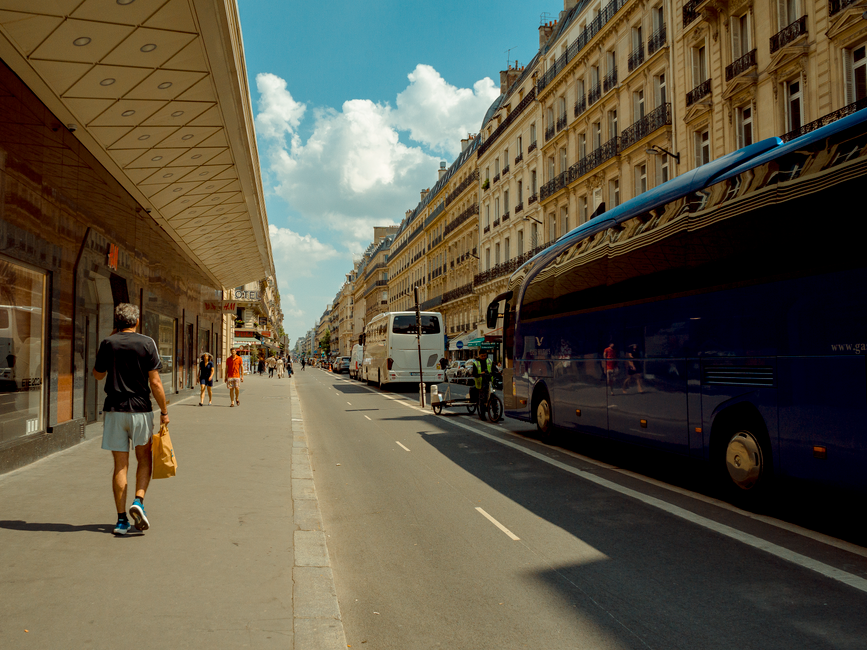
Paris's transport network remains one of Europe's most efficient—and most affordable—ways to move through a major capital. Whether you're planning a weekend visit or relocating to the 8th arrondissement, understanding your options is essential before you arrive.
The RATP (Régie Autonome des Transports Parisiens) operates the backbone of Paris transport: the Métro, buses, and trams. A single journey ticket costs €2.35, but visitors should consider the Navigo Découverte weekly pass at €32.40, which covers unlimited travel across all zones for seven consecutive days. For longer stays, the monthly Navigo Mois pass reaches €85.70—significantly cheaper than daily tickets if you're commuting regularly to the Marais, La Défense, or anywhere beyond central Paris.
The Métro itself spans 16 lines and reaches nearly every neighbourhood, from Montmartre to the Latin Quarter. Station frequency averages 90 seconds during peak hours, though weekend service on some lines operates less frequently. Walking distances between stations are rarely more than 400 metres, making it practical for most daily journeys. Night buses (Noctilien) operate Thursday through Sunday, with reduced but reliable service on other nights.
E-bike sharing through Vélib' Métropole offers an increasingly popular alternative, especially for shorter distances. An annual membership costs €119, with casual rides charged at €5 for 30 minutes. The city's 1,400 docking stations now extend into traditionally underserved areas like Belleville and the 13th arrondissement, closing previous accessibility gaps. Electric scooters from Lime, Dott, and others typically charge €1 to unlock plus €0.20-0.30 per minute.
Taxis from major companies like G7 remain expensive for daily commuting—a ride from Charles de Gaulle Airport to central Paris costs approximately €55-70—but ride-sharing apps like Uber operate here, though at premium pricing during peak times.
For accessibility, RATP has upgraded lift installations at 70 per cent of Métro stations, though older lines remain partly inaccessible. The organisation provides detailed accessibility maps online before you travel. Aribus buses are fully wheelchair-accessible and available on most routes.
Budget-conscious visitors should purchase their passes at kiosks in train stations or convenience stores rather than airport counters, where markup costs can be significant. Most passes work seamlessly across all transport types, removing the need to juggle multiple payment systems.
Bottom line: Paris's transport costs roughly €3-5 daily for regular users with appropriate passes, making it substantially cheaper than owning a car within the city limits.
This article was compiled by AI from the sources linked above and screened before publishing. See our editorial standards.
How does this story make you feel?
Spread the word
About this article
Published by The Daily Paris
Daily brief
Free, in your inbox before 7am. Weekdays.
More in lifestyle