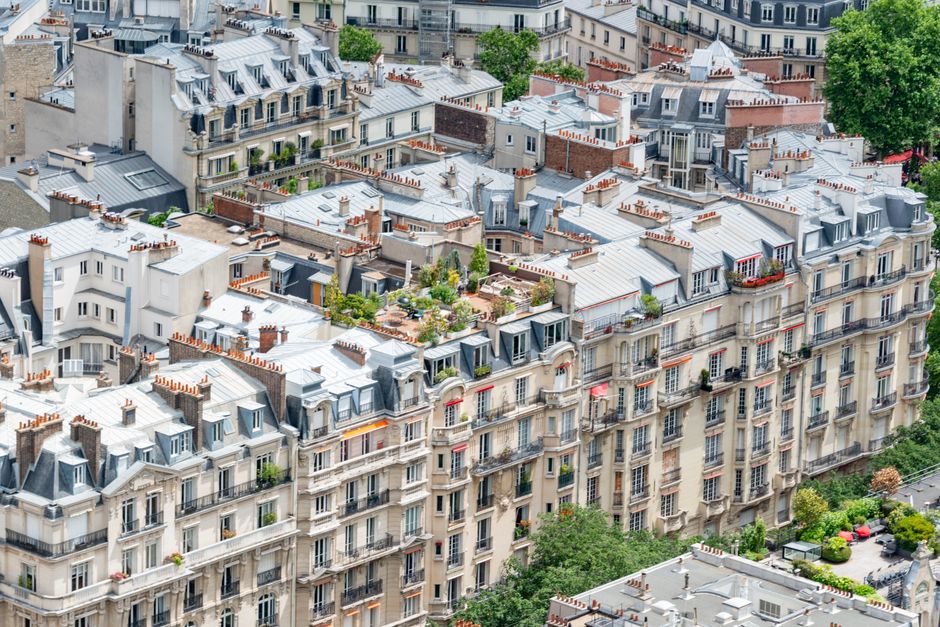
Walk down Rue des Rosiers on a Tuesday morning and you'll witness Le Marais's true heartbeat: a 90-year-old woman selecting a challah from L'As du Fallafel, a group of artists unloading canvases into a cooperative studio, a mother steering her toddler toward the playground in Place des Vosges. This is the neighbourhood character that survives beneath the designer storefronts and luxury conversions that dominate Paris's glossy travel guides.
Le Marais has undergone seismic shifts since the 1990s, when property values climbed from €3,500 per square metre to today's €8,000-plus. Yet the neighbourhood's cultural DNA—shaped by centuries of Jewish, LGBTQ+, and artistic communities—remains stubbornly resilient. The Rue des Rosiers still pulses with kosher restaurants, falafel vendors, and the lingering aroma of generations past. Organisations like the Mémorial de la Shoah operate from the heart of this street, anchoring historical consciousness within daily life.
Community spaces define Le Marais's character more than any luxury brand ever could. The Bibliothèque Forney, housed in the 18th-century Hôtel de Saint-Aignan on Rue de Turenne, connects locals to textile and decorative arts through free exhibitions and educational programmes. Meanwhile, artist collectives tucked into converted 17th-century buildings along Rue Charlot offer residents affordable studio space and regular open studios—a counterweight to gentrification pressures that have displaced creative communities across Paris.
The neighbourhood's café culture remains distinctly social rather than transactional. Cafés like Breizh Café on Rue des Trois Frères function as third spaces where locals nurse a coffee for hours, laptops open or newspapers spread across marble tables. The weekly market at Marché des Enfants Rouges, operating since 1615, still attracts residents seeking community connection alongside fresh produce—a Thursday visit reveals the same vendors and shoppers rotating through a familiar social calendar.
What protects Le Marais's soul is its stubborn heterogeneity. Unlike nearby Saint-Germain, which surrendered entirely to uniformity decades ago, Le Marais resists monoculture. A kosher butcher operates metres from a vintage clothing boutique; a transgender advocacy organisation shares a street with a Michelin-starred restaurant. This friction—this collision of communities—creates the neighbourhood's genuine character.
For residents considering a move to Le Marais, the calculus extends beyond square metres and arrondissement prestige. It's about proximity to community institutions, access to intergenerational spaces, and whether you're willing to anchor yourself in a neighbourhood that demands participation rather than mere consumption.
This article was compiled by AI from the sources linked above and screened before publishing. See our editorial standards.