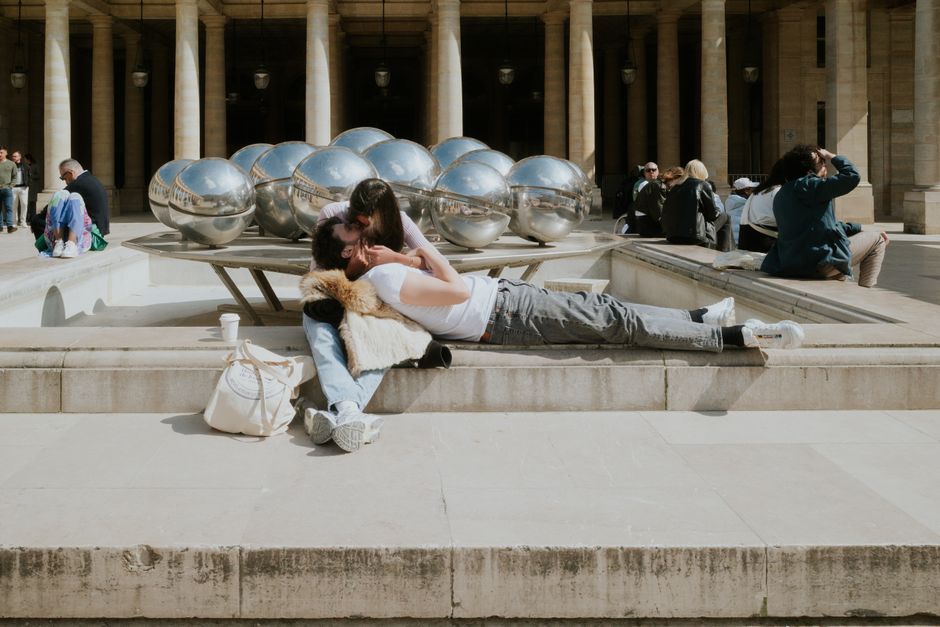
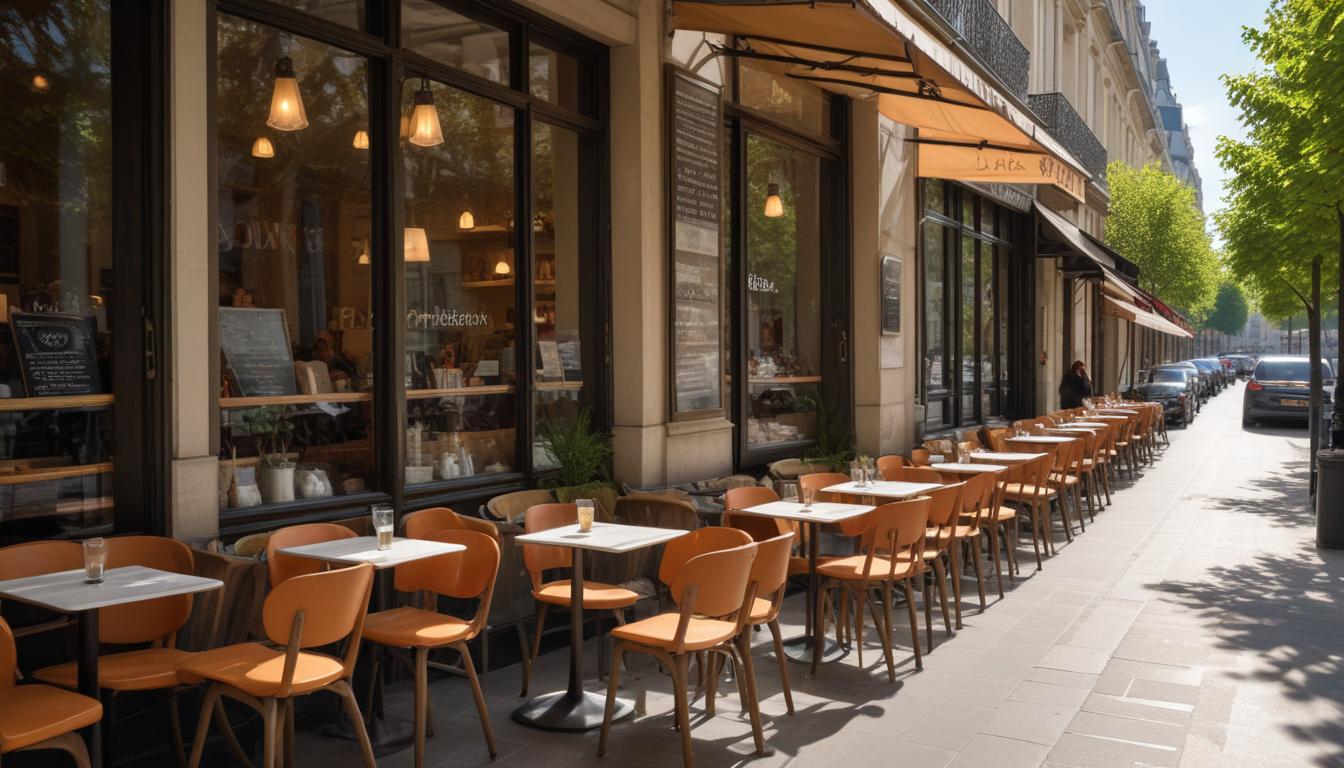
Walk down Rue des Rosiers on a Saturday morning in 2026, and you'll notice something that would have seemed unlikely a decade ago: pushchairs outnumber the leather-jacketed crowds. Le Marais, long synonymous with Paris's LGBTQ+ culture and bohemian cool, is undergoing a profound demographic transformation that's reshaping everything from school waiting lists to weekend brunching habits.
The numbers tell the story. Between 2020 and 2025, births in the 4th arrondissement rose by 18%, according to municipal data, while applications for places at selective primary schools like École Maternelle des Blancs-Manteaux—once easily accessible—now see four applicants per spot. Property prices have made young families choose carefully: a two-bedroom apartment on Rue Vieille du Temple now averages €850,000, up 34% from five years prior.
This shift has created an entirely new ecosystem. The neighbourhood's independent toy shop economy has exploded, with boutiques like Merlin l'Enchanteur expanding their locations. More significantly, co-working spaces have given way to family-friendly cafés offering high chairs and organic purées. La Caféothèque near Place des Vosges recently introduced a dedicated nursing room, reflecting what proprietors describe as their changing customer base.
Yet this evolution isn't without tension. Longtime residents and community organisers worry about the neighbourhood losing its edge. The legendary cultural venues—independent galleries and music clubs—are gradually being priced out. A proposed renovation of the community centre near Rue du Turenne sparked heated debate when plans included a larger crèche facility at the expense of youth arts programming.
Education infrastructure is struggling to keep pace. The city has pledged €3.2 million toward expanding nursery provision in the district, announcing two new municipal crèches by 2028. Yet demand for bilingual and alternative schooling—Montessori methods, British curricula—has created a parallel private school economy that critics say is fragmenting the neighbourhood's social fabric.
What's undeniable is that Le Marais's identity is being rewritten in real time. The question facing the neighbourhood isn't whether change is happening—it manifestly is—but whether it can accommodate both the young families arriving with pushchairs and the artists, activists and communities that made the quarter culturally vital in the first place. As summer holiday bookings at local activity centres hit record levels, that answer remains very much in flux.
This article was compiled by AI from the sources linked above and screened before publishing. See our editorial standards.