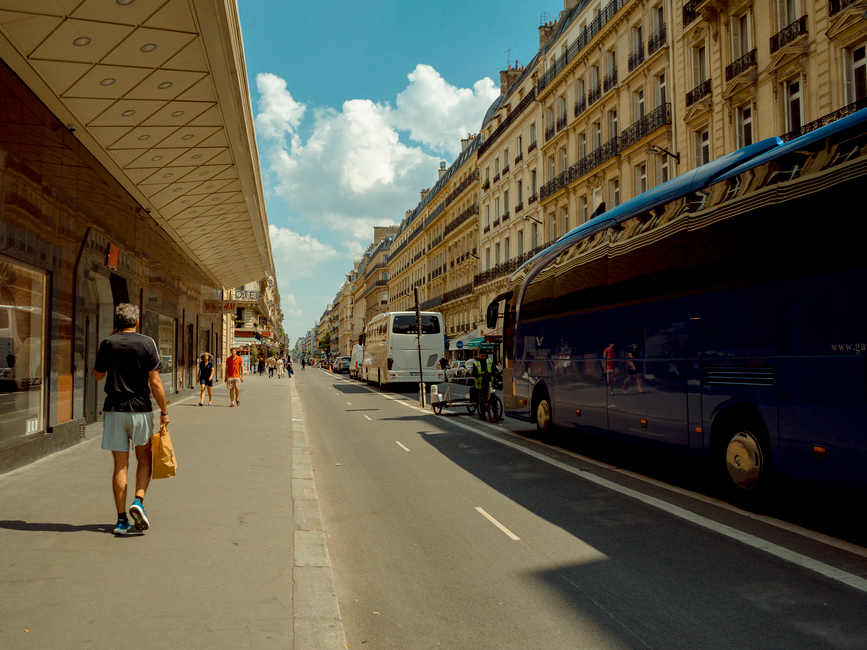
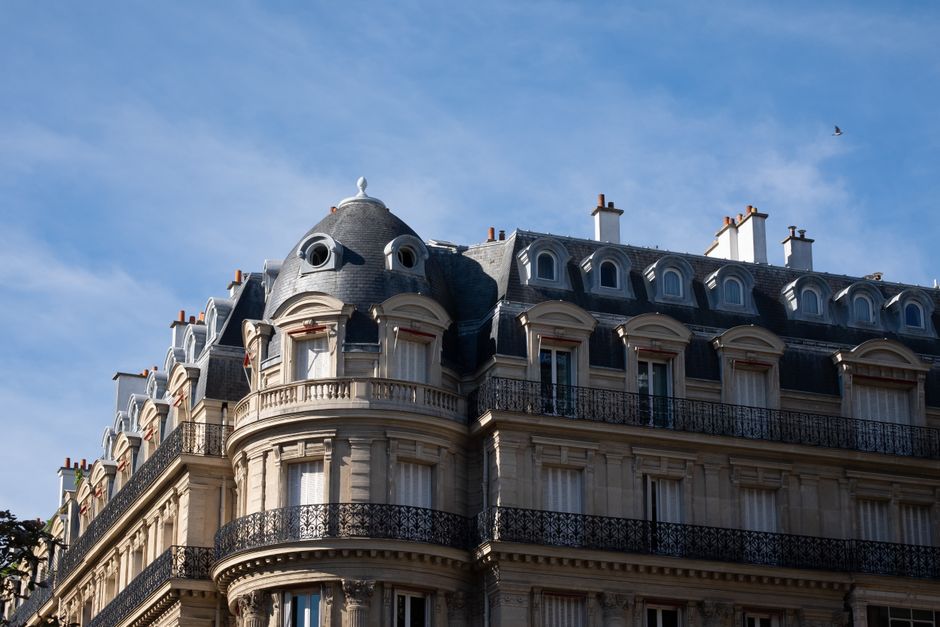
Walk through the Marais or the 14th arrondissement these days and you'll notice something that would have seemed impossible five years ago: parents actually lingering in school playgrounds, chatting without anxiety about their phones. The shift is real. Paris's approach to family life and education has undergone a quiet but profound transformation that's reshaping daily life for thousands of households.
The catalyst came in early 2025 when the city implemented a controversial—but ultimately popular—cap on primary school class sizes across public institutions. Maximum classes of 20 children, down from the previous average of 28, meant hiring sprees at schools like École Élémentaire Buffon in the 5th and facilities across the 11th. Parents report genuine improvements in teacher availability and student wellbeing. "My daughter actually comes home wanting to talk about her day," one local parent noted in recent community surveys.
But structural change is only part of the story. A 2024 initiative to convert underused parking spaces into outdoor learning areas and playgrounds has given schools like those clustered around Rue de Rivoli and Boulevard Saint-Germain breathing room. The Marais now boasts three new pocket gardens specifically designed for school use, with native plants and quiet zones for anxious children.
Perhaps most notably, changing workplace culture has allowed parenting itself to shift. Several major employers moved to mandatory flexible schedules in 2025—a ripple effect from national labour reforms. School runs no longer feel like military operations. Pick-up times, traditionally chaotic flash-points between 4:30 and 5pm, have staggered naturally across the afternoon.
The financial impact matters too. Annual crèche fees in central Paris, which averaged €1,200 monthly, have been partially subsidised through expanded government support. Families with combined incomes under €65,000 now qualify for significant reductions—transforming childcare from a second mortgage into something manageable.
This matters because Paris, for decades, felt hostile to families with young children. The city's reputation as playground for the child-free was well-earned. Now, schools in the 3rd, 6th, and 13th arrondissements report waiting lists growing for the first time in years. Young families aren't just staying; they're choosing to arrive.
Has everything transformed? Not quite. Housing remains astronomical. School lunches still spark passionate debate. But the texture of family life—the daily rhythm of school, work, and play—has become noticeably less fraught. Parents appear less harried. Children seem less shuttled. For a city once synonymous with childfree chic, that's revolutionary.
This article was compiled by AI from the sources linked above and screened before publishing. See our editorial standards.