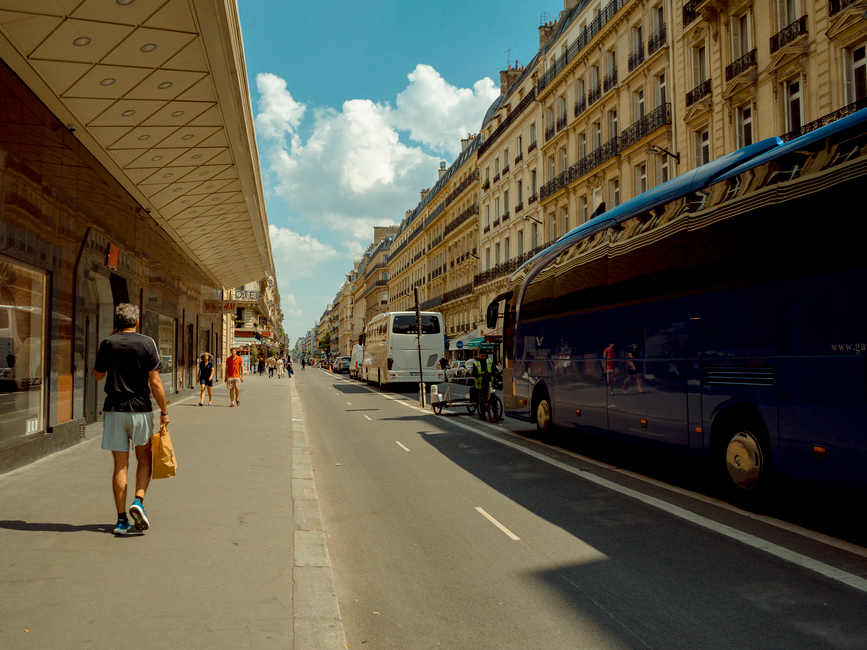
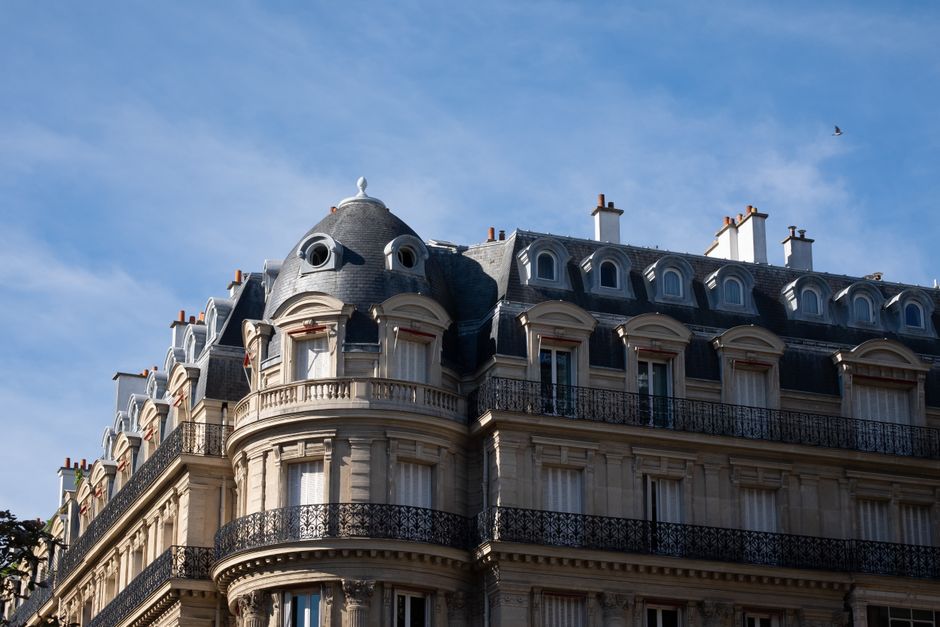
Five years ago, Belleville was the neighbourhood you moved to reluctantly, perhaps for a studio apartment at half the price of the Marais. Today, it's where expats actively choose to land. The shift has been remarkable: rue de Belleville, once a quiet spine of vintage shops and hole-in-the-wall bistros, now hosts three new English-language co-working spaces, a spike in international real estate offices, and an influx of digital nomads working from cafés between 10am and 5pm.
The numbers tell the story. According to Paris housing data from early 2026, rental prices in Belleville have climbed 23% over three years—steeper than the city average but still considerably cheaper than the 8th or 16th arrondissements where expatriates once clustered. A one-bedroom apartment on rue des Cascades now commands around €950 monthly, compared to €1,400 in nearby Marais.
What's driving the shift isn't just economics. Belleville's cultural infrastructure has evolved dramatically. Organisations like the American Church in Paris have expanded their relocation services to include neighbourhood orientation specifically focused on the 20th. Meanwhile, established venues—La Maroquinerie concert hall, the Parc des Buttes-aux-Cailles—have become informal networking hubs. The arrival of international schools partnering with local lycées has cemented Belleville's appeal for families.
Yet this evolution comes with friction. Long-term residents and artists who defined Belleville's character for decades watch as rents climb and independent boutiques shutter. The neighbourhood's famous street art—murals celebrating working-class history and immigrant communities—now serves as backdrop for Instagram posts by visitors. Some worry that Belleville is losing the very authenticity that attracted newcomers in the first place.
For arriving expats, the timing is peculiar. You're arriving to a neighbourhood in transition—more established than it was five years ago, but still retaining pockets of genuine neighbourhood life. Rue Denoyez's artist studios remain fiercely independent. Local markets on rue de Belleville still function much as they have for generations. Independent cafés like Fragments and Chez Prune continue serving regulars alongside laptop workers.
The practical advice for newcomers: move quickly if affordability matters. Exploit the neighbourhood's excellent Metro connections (lines 2, 11, and 20). Seek out older residents and established shopkeepers—they'll provide the most honest picture of how Belleville is changing. And perhaps most importantly, engage with the neighbourhood as a place to live, not merely occupy. The communities shaping Belleville's future will be those who participate in it, not those who simply pass through.
This article was compiled by AI from the sources linked above and screened before publishing. See our editorial standards.