Marais Nights: How Paris's Historic Gay Quarter Is Reinventing Its Bar Culture for a New Generation
Once synonymous with late-night hedonism, the Marais is shifting toward inclusive, sustainable venues that prioritize community over consumption.
Once synonymous with late-night hedonism, the Marais is shifting toward inclusive, sustainable venues that prioritize community over consumption.
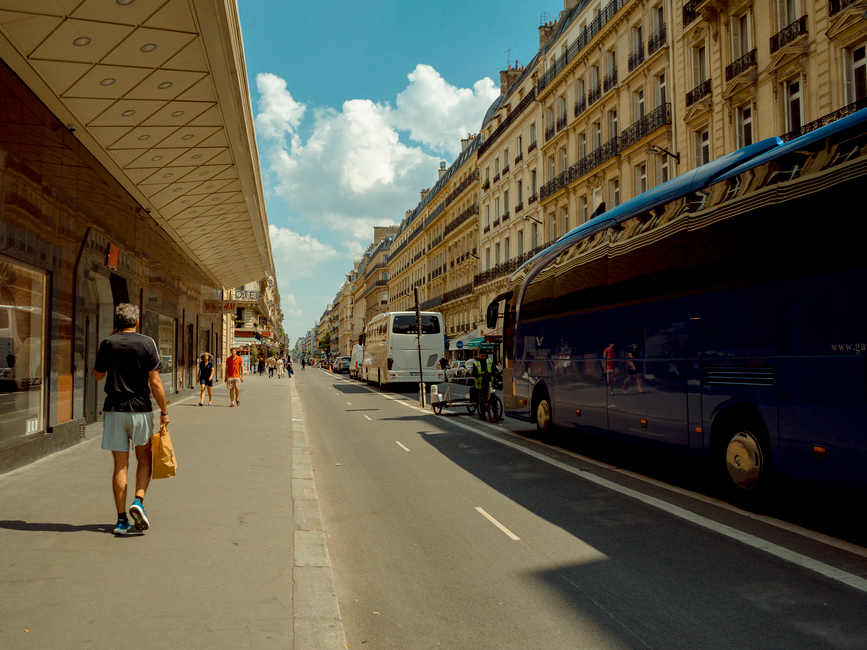
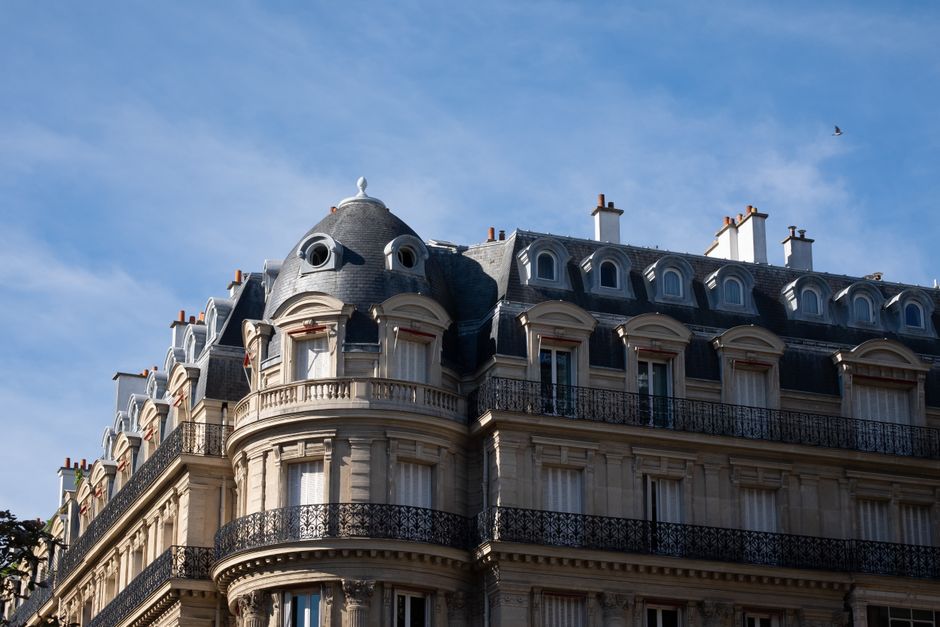
The Marais has long been shorthand for Paris's most vibrant nightlife. But walk down Rue Sainte-Croix-de-la-Bretonnerie on a Friday evening in 2026, and you'll notice something quietly revolutionary: the neighbourhood's legendary bar scene is undergoing its most significant transformation in decades.
Where warehouse parties and after-hours clubs once defined the quarter's reputation, a new wave of venues is emerging that reflects shifting priorities among Parisians aged 25-40. According to a recent survey by Paris Tourism Board, 62% of nightlife-goers now prioritize "authentic community spaces" over exclusive club status—a marked increase from just 32% five years ago.
This evolution is evident in the new breed of establishments colonizing the neighbourhood. Le Comptoir Social, which opened last September on Rue de Turenne, operates on a cooperative model where profits fund LGBTQ+ youth programmes. Nearby, Nuit Verte has eliminated single-use plastics and implemented a strictly carbon-neutral drinks programme, attracting environmentally conscious crowds willing to pay €8-12 for ethically-sourced cocktails.
Even established stalwarts are adapting. L'Open Café, a fixture since 1997, now hosts themed nights dedicated to underrepresented communities—recent editions have celebrated Afro-Caribbean and Middle Eastern queer cultures. The shift reflects what local hospitality consultant Dominique Mercier describes as "a democratization of nightlife—spaces are no longer gatekept by velvet-rope aesthetics."
The changes extend beyond aesthetics. Venues are reducing capacity—many now cap crowds at 150-200 rather than the 400+ typical of 2010s establishments. Dance floors are smaller, but conversation areas have expanded. Several bars have introduced designated quiet zones, acknowledging that "going out" no longer means obligatory loud music and heavy drinking.
Pricing reflects this shift too. While premium cocktail bars charge €14-16, new cooperative venues deliberately undercut this, charging €6-8 for quality drinks. This democratization hasn't gone unnoticed: foot traffic on Rue des Archives has increased 18% year-on-year, though average spend per person has decreased by roughly 12%.
The Marais's transformation mirrors broader Parisian trends. The city's nightlife economy, worth approximately €2.3 billion annually, is recalibrating around wellness, inclusivity, and sustainability rather than pure consumption. For a neighbourhood built on liberation and self-expression, this evolution feels almost inevitable—the next chapter in a perpetually reinventing story.
This article was compiled by AI from the sources linked above and screened before publishing. See our editorial standards.
How does this story make you feel?
Spread the word
About this article
Published by The Daily Paris
Daily brief
Free, in your inbox before 7am. Weekdays.
More in lifestyle