The Faces Behind the Move: How Real People Build New Lives in Paris
Beyond the guidebooks and Instagram postcards, it's the community networks and human connections that transform Paris from a city into a home for newcomers.
Beyond the guidebooks and Instagram postcards, it's the community networks and human connections that transform Paris from a city into a home for newcomers.
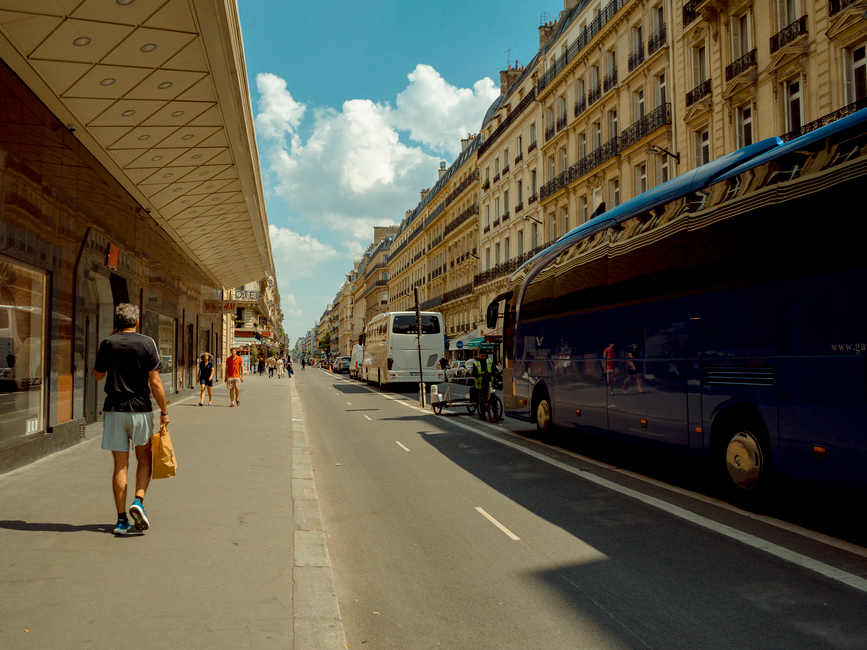
Moving to Paris means navigating rental markets where a modest two-bedroom in the 11th arrondissement runs €1,200–€1,500 monthly, bureaucratic mazes at the Préfecture, and the particular loneliness of that first metro commute. But it also means discovering the invisible architecture of communities that make this city genuinely liveable for those starting over.
The relocation experience in 2026 looks markedly different from even five years ago. Expat-focused organisations like Housing Anywhere and Nest have shifted from simply listing apartments to fostering genuine neighbourhood integration. Meanwhile, grass-roots groups scattered across districts—from the Canal Saint-Martin coworking collectives to the Marais-based networking brunches—quietly operate as lifelines for newcomers navigating everything from healthcare registration to finding reliable plumbers who won't overcharge.
In the 10th arrondissement, around the République métro hub, informal mentor networks have emerged organically. Senior expats who settled a decade ago now regularly guide freshly arrived professionals through the mysteries of French bank accounts and the sacred art of la bise. These aren't formal programmes; they're the product of chance café meetings that become standing Thursday evening traditions.
Language remains the primary integration hurdle. Yet countless neighbourhood-based French conversation groups—advertised via WhatsApp rather than official channels—meet in library corners and wine bars across Paris. The 5th's Shakespeare and Company bookshop neighbourhood hosts several such gatherings, where the shared struggle of subjunctive verb conjugation bonds strangers into genuine friendships.
Housing remains expensive, but creative solutions persist. Cooperative housing initiatives in the outer 13th and 14th offer both affordability and built-in community. Similarly, the rise of coliving spaces—particularly around Belleville and Oberkampf—has created ready-made social infrastructures for solo relocators who might otherwise face isolation.
What distinguishes the Paris experience isn't the monuments or the pastries. It's the moment a newcomer realises their local café owner remembers their usual order, or when a chance conversation with someone at the Sainte-Geneviève Library leads to a job opportunity. It's the small acts of navigation assistance: the colleague who explains the métro's unwritten social codes, the neighbour who introduces you to the best market vendor on rue Mouffetard, the fellow expat who validates that the French bureaucracy is genuinely as bewildering as it feels.
Paris rewards those willing to show up repeatedly in the same spaces, participate in local rhythms, and embrace the city's paradox: it's simultaneously grand and deeply personal. The faces you meet along the way—other newcomers, longtime residents, community builders—ultimately determine whether you're simply visiting Paris or truly becoming Parisian.
This article was compiled by AI from the sources linked above and screened before publishing. See our editorial standards.
How does this story make you feel?
Spread the word
About this article
Published by The Daily Paris
Daily brief
Free, in your inbox before 7am. Weekdays.
More in lifestyle