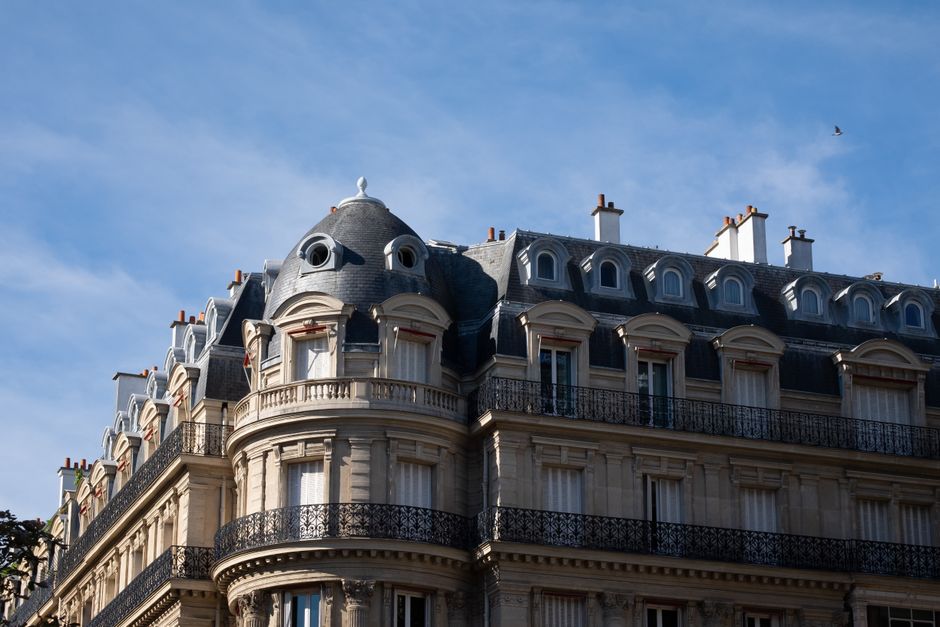
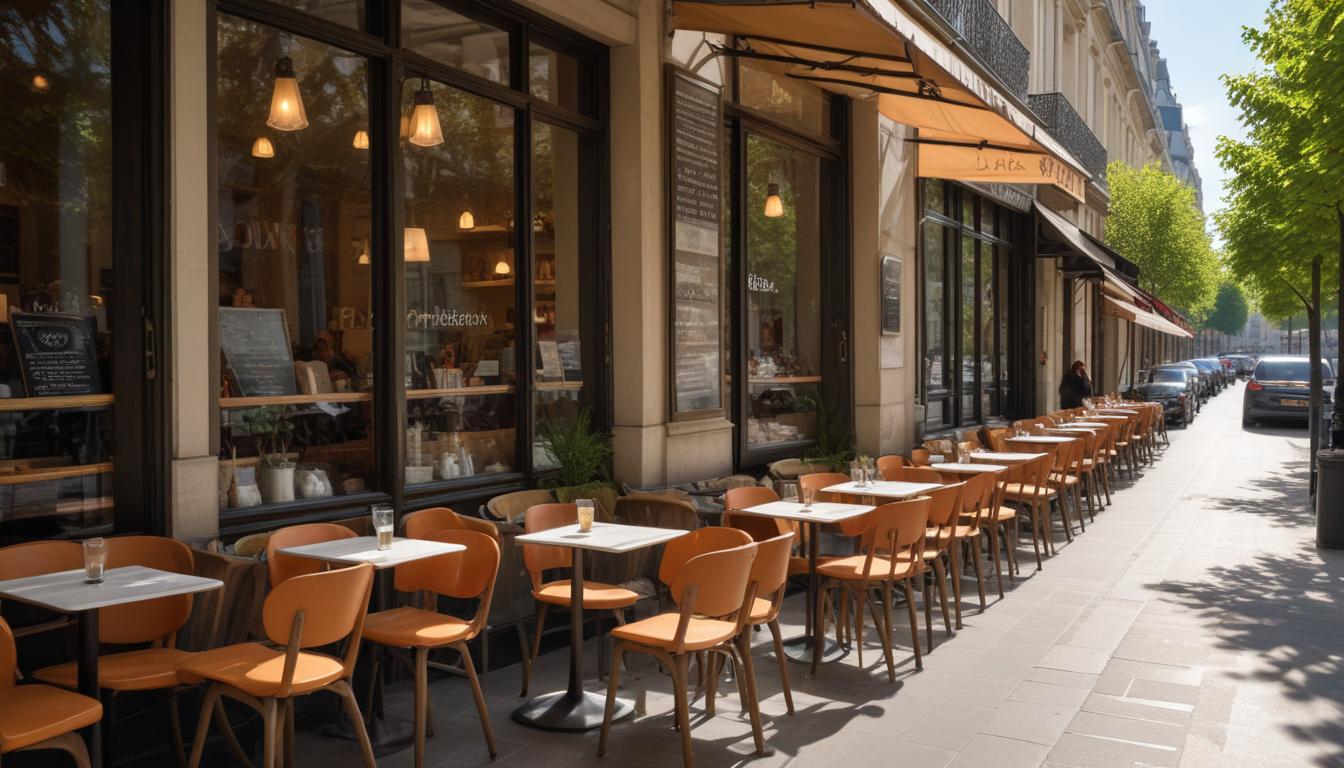
For most newcomers arriving at Gare de l'Est or Orly, Paris exists as a vision—cobblestones, café culture, the promise of transformation. But the city's true magic, many recent arrivals will tell you, lies not in the monuments but in the people who help you find your footing when the bureaucracy bites and homesickness strikes.
The expat relocation landscape has shifted dramatically since the pandemic. According to Expatica's 2025 survey, Paris now hosts over 450,000 foreign-born residents, with the 9th and 10th arrondissements—traditional arrival neighbourhoods around Rue de Rivoli and Canal Saint-Martin—seeing a 23% increase in relocating professionals over the past three years. Yet the transition remains challenging: visa timelines stretch months, finding a flat demands three times your monthly rent in deposits, and the administrative maze would exhaust anyone.
That's where the unofficial guides emerge. Take the community spaces like Shakespeare and Company's reading room, or the open-table events at neighbourhood bistros like Café Charlot in the Marais, where regulars naturally adopt newcomers into their orbits. The Meetup.com data shows Paris hosts over 180 regular expat and relocation-focused groups—from language exchanges in the Latin Quarter to professional networking brunches in Montmartre.
Real estate agents and relocation consultants have evolved their roles. Rather than mere transaction facilitators, many now function as cultural translators, explaining why deposits matter more than first impressions, why métro passes cost €78.40 monthly, and why learning to say "bonjour" before ordering coffee isn't quaint—it's essential. Organisations like France-Expats and Paris Welcome Hub, operating from offices near Châtelet and République respectively, field hundreds of calls monthly from bewildered newcomers.
The shop owners matter too. The corner boulanger on Rue Lepic who learns your name by week two, the pharmacist on Boulevard Saint-Germain who sketches directions to your quartier clinic, the librarian at Bibliothèque Forney who helps with housing documents. These unglamorous encounters build belonging faster than any guidebook.
Perhaps most affecting are the expats-turned-advocates: the American who arrived in 2019 and now runs a WhatsApp group of 340 people seeking flats; the Portuguese designer mentoring junior colleagues through their first Parisian winter; the Canadian who established a free legal clinic for housing disputes near Bastille.
Paris's mystique endures, but increasingly it's not the Eiffel Tower drawing people deeper into the city—it's the faces who say, "Welcome, this is how we do things here."
This article was compiled by AI from the sources linked above and screened before publishing. See our editorial standards.