Paris Schools Are Finally Getting the Investment They Deserve—And Parents Are Breathing Easier
After years of overcrowding and budget cuts, Paris's education system is undergoing a quiet revolution that's reshaping family life across the city.
After years of overcrowding and budget cuts, Paris's education system is undergoing a quiet revolution that's reshaping family life across the city.
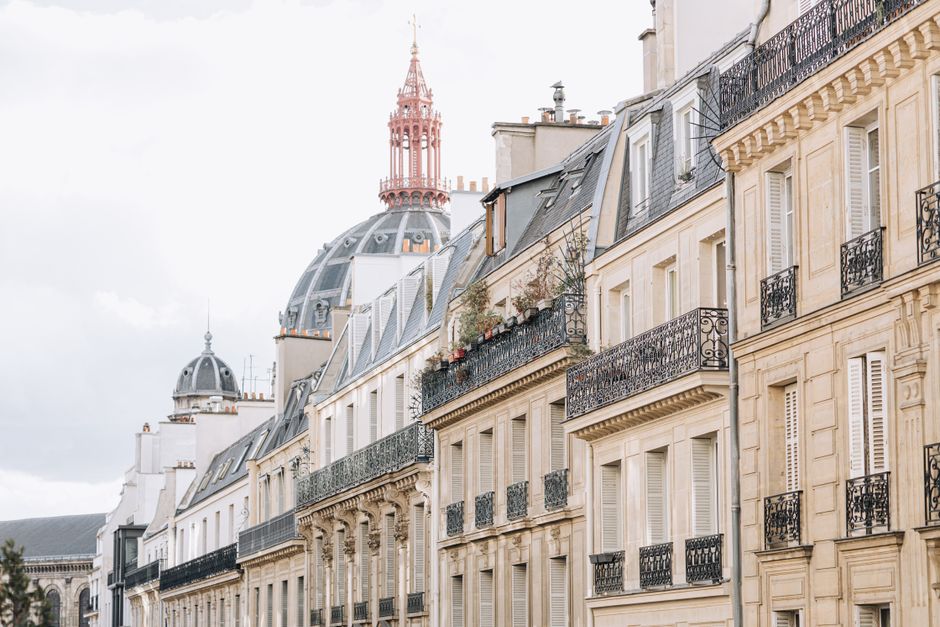
Walk through the 11th arrondissement on a Tuesday morning and you'll notice something that felt unimaginable five years ago: playgrounds that don't resemble holding pens, classroom windows that actually open without protest, and parents who aren't frantically comparing private school waiting lists over coffee at Café Charlot.
Paris's public education system, long the source of resigned sighs among working parents, is experiencing a genuine transformation. The city's €340 million investment programme, rolled out progressively since 2024, has fundamentally altered what it means to raise children here—and locals are noticing.
The changes are tangible. École Maternelle Jean-Baptiste Poquelin in the Marais has undergone complete renovation, with digitally integrated classrooms and outdoor learning spaces that local parents describe as almost unrecognisable compared to the cramped facilities of just two years ago. Similar upgrades have touched 47 primary schools across the city, with particular focus on the 18th, 19th and 20th arrondissements, where overcrowding had reached crisis point.
But infrastructure alone doesn't explain the palpable shift in how Parisian families now discuss their children's education. The introduction of extended after-school programming—from arts workshops to sports clubs—has addressed what many working parents saw as an impossible puzzle: the infamous 3 p.m. school pickup deadline that forced countless mothers and fathers into impossible scheduling decisions.
"The pressure has genuinely decreased," explains the director of a parents' association in the 10th arrondissement. Programmes now run until 6 p.m. across participating schools, with activity costs subsidised on a sliding scale. For families earning under €35,000 annually, the fee is virtually eliminated.
Perhaps most significantly, the rebalancing of school admissions algorithms has created genuine neighbourhood diversity. Previously, Paris's school system quietly entrenched privilege through catchment zones that aligned suspiciously with arrondissement wealth gradients. New measures since 2025 have deliberately mixed socioeconomic backgrounds, something many educators argue was overdue.
Class sizes—long hovering around 28-30 pupils per teacher—are now capped at 24 in primary years, a reduction that classroom teachers insist makes actual pedagogical innovation possible rather than damage control.
For parents who chose private institutions like Cours Hattemer or spent fortunes on après-école childcare, the shifting landscape represents something psychologically significant: genuine confidence that the public system now deserves that label. In Paris, where education has always been a cultural religion, this represents nothing short of faith restored.
This article was compiled by AI from the sources linked above and screened before publishing. See our editorial standards.
How does this story make you feel?
Spread the word
About this article
Published by The Daily Paris
Daily brief
Free, in your inbox before 7am. Weekdays.
More in lifestyle