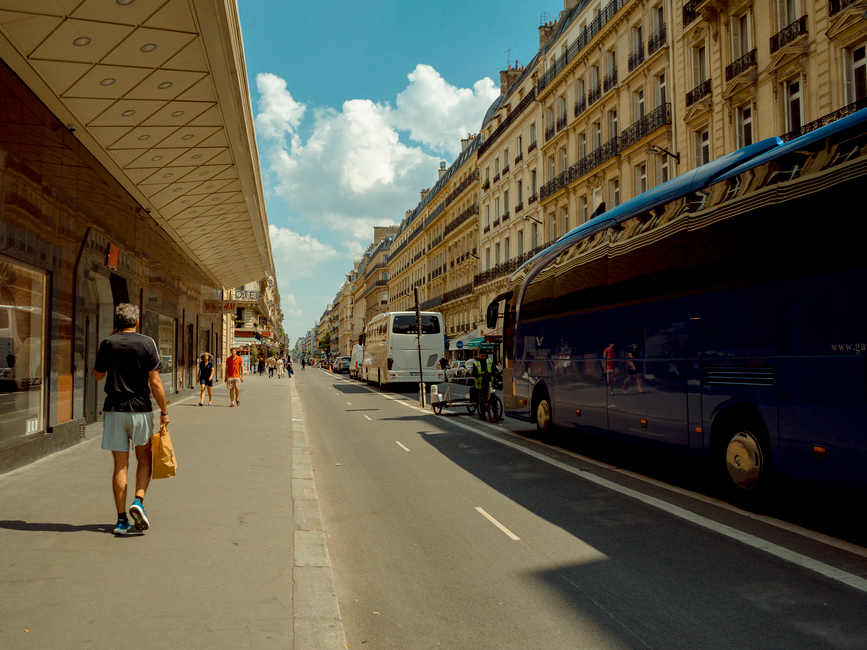
How Real Parisians Actually Get Around: Daily Commuting Tips from Those Who Know
Forget the guidebooks—we asked locals navigating the Metro, vélos and cobblestones every day to share their honest strategies for beating the city's transport maze.
Forget the guidebooks—we asked locals navigating the Metro, vélos and cobblestones every day to share their honest strategies for beating the city's transport maze.
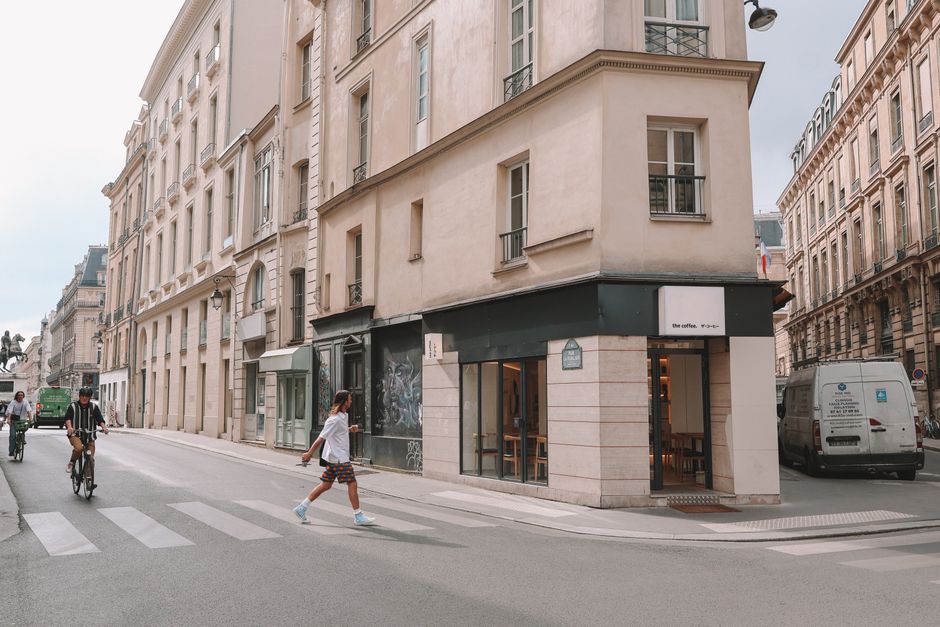
Getting around Paris isn't about speed; it's about strategy. After speaking with dozens of commuters spanning the 9th arrondissement to Boulogne-Billancourt, one truth emerges: the city rewards those who understand its rhythms.
The Metro remains king for most residents. Line 14, connecting Châtelet to the emerging tech hub around Gare Saint-Lazare, now sees 750,000 daily users. Local consensus? Travel between 9:15 and 9:45am or after 7pm if you value personal space. The RATP's monthly pass at €84.60 justifies itself within six weeks for regular commuters, though seasoned travellers recommend downloading the Île-de-France Mobilités app to catch service disruptions before they disrupt your morning.
But increasingly, Parisians are abandoning the underground entirely. Vélib' Métropole's 20,000 bikes across 1,800 stations have transformed short-distance commuting. At €5 for a day pass, locals consistently cite it as cheaper and faster than the Metro for journeys under 1.5km—say, from République to Nation. The catch? Winter months see availability plummet in residential neighbourhoods like Buttes-aux-Cailles, where demand outstrips supply by mid-morning.
Electric scooters (the legal, city-registered kind) fill the gap for those between bike and car distances. They're polarising—locals either swear by them or resent dodging them on the Marais's narrow pavements.
Cars? Mostly abandoned. Petrol is €1.65 per litre, parking in central arrondissements runs €4.50 hourly, and the congestion charge enters effect next year. The consensus from south-eastern suburbs: keep it for weekends.
Walking deserves mention. Parisians traverse average distances of 6-8km weekly on foot—more than most European cities. The street grid rewards aimless wandering. Boulevard Saint-Germain remains the main east-west spine; canny locals use Rue des Écoles and Rue Monge for quieter alternatives.
The real insider move? Combining three modes. Métro to Châtelet, vélo toward your office near Gare Montparnasse, walk the final 400 metres. Total cost on a monthly pass: roughly €85. Total time: rarely worse than driving.
One final note from locals: timetables matter less than knowing the rhythm. Rush hour explodes 8:30-9:30am and 5:30-7:00pm. Everything else moves tolerably. Plan accordingly, and Paris's transport system transforms from frustrating to fluid.
This article was compiled by AI from the sources linked above and screened before publishing. See our editorial standards.
How does this story make you feel?
Spread the word
About this article
Published by The Daily Paris
Daily brief
Free, in your inbox before 7am. Weekdays.
More in lifestyle