Why Paris Remains the World's Most Envied City Neighbourhood Model
From mixed-income housing to pedestrian-first planning, Paris's district-by-district approach to urban living offers lessons no other metropolis has fully replicated.
From mixed-income housing to pedestrian-first planning, Paris's district-by-district approach to urban living offers lessons no other metropolis has fully replicated.
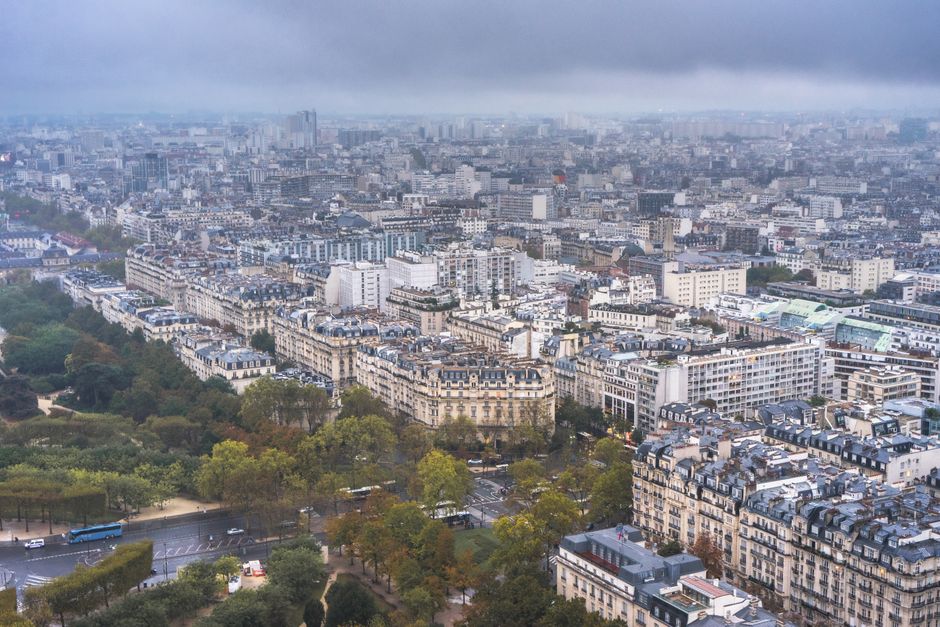
Walk through the Marais on a Tuesday afternoon and you'll encounter something increasingly rare in global cities: genuine social mixing. A lawyer queues behind a student at Café Charlot on Rue de Turenne. A pensioner tends her window boxes above a startup studio. This isn't accident—it's design, and it's what fundamentally separates Paris from London's gentrified enclaves, New York's ultra-luxury towers, or Berlin's bohemian bubbles that inevitably calcify into homogeneity.
Paris's revolutionary advantage lies in its refusal to allow neighbourhoods to become monocultures. Rent controls on roughly 40 percent of housing, combined with strict planning regulations that mandate mixed-use development, mean that 11th arrondissement streets like Rue Oberkampf host family bakeries, contemporary galleries, and modest apartments where people actually live—not merely visit as tourists or investment vehicles. Compare this to Barcelona's Gothic Quarter or Amsterdam's Canal Ring, where residential authenticity has been almost entirely displaced by vacation rentals and premium retail.
The neighbourhood infrastructure model proves equally distinctive. Each arrondissement maintains its own mairie (town hall), creating hyper-local governance. The 5th arrondissement's Mairie manages its Latin Quarter character differently than the 6th's more refined approach—yet both remain fundamentally Parisian. This distributed power structure prevents the downtown hollowing-out seen in Toronto, Sydney, or Vancouver, where central business districts become dead zones after office hours.
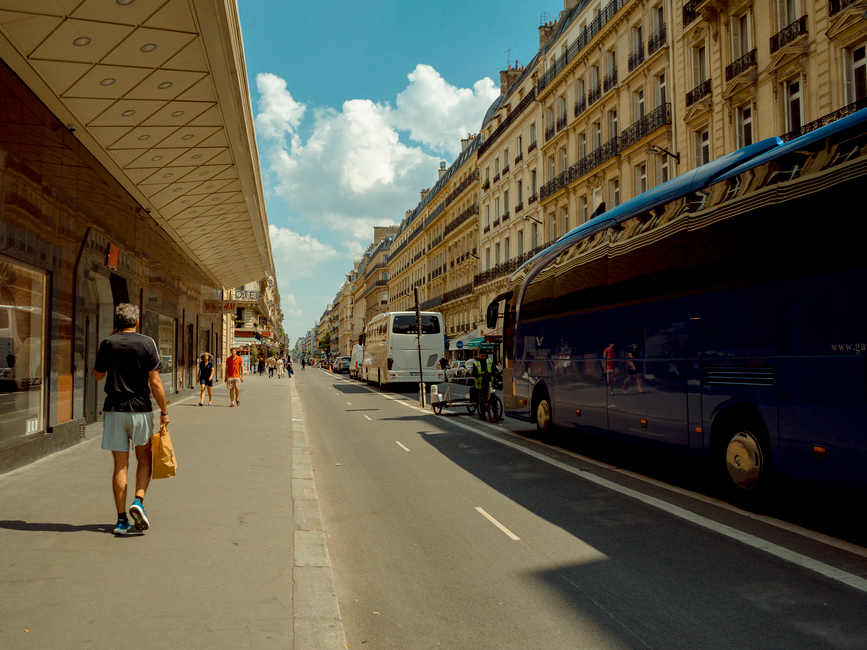
Pedestrian primacy shapes everything. The City Hall's ongoing extension of car-free zones—the Rue de Rivoli redesign completed in 2024 removed 10,000 daily vehicles—reflects a philosophy fundamentally at odds with sprawling cities designed around automobile circulation. Even wealthy Parisians walk. Children cycle to school. The 800+ kilometres of cycling infrastructure integrated into neighbourhood planning, not added as an afterthought, transforms how residents experience their districts.
Perhaps most crucially, Paris protects its third spaces obsessively. A café is not merely a commercial transaction; it's citizenship. Neighbourhood bistros, boulangeries, and parks function as social glue in ways that privatised leisure spaces—shopping malls, corporate campuses, gated developments—cannot replicate. The Luxembourg Gardens doesn't monetise every square metre; it's simply there for neighbourhoods like the 5th and 6th to organically gather.
This model isn't perfect. Housing remains expensive, particularly for younger residents. But Paris demonstrates that liveable cities require deliberate constraints against market forces—something most Anglo-American and Asian metropolises have abandoned entirely. The neighbourhood, properly defended, remains Paris's ultimate luxury export.
This article was compiled by AI from the sources linked above and screened before publishing. See our editorial standards.
How does this story make you feel?
Spread the word
About this article
Published by The Daily Paris
Daily brief
Free, in your inbox before 7am. Weekdays.
More in lifestyle