Why Paris Parents Raise Their Children Differently Than the Rest of the World
From school schedules to playground philosophy, the French capital's approach to family life stands apart—and it's reshaping how expatriate families think about childhood.
From school schedules to playground philosophy, the French capital's approach to family life stands apart—and it's reshaping how expatriate families think about childhood.
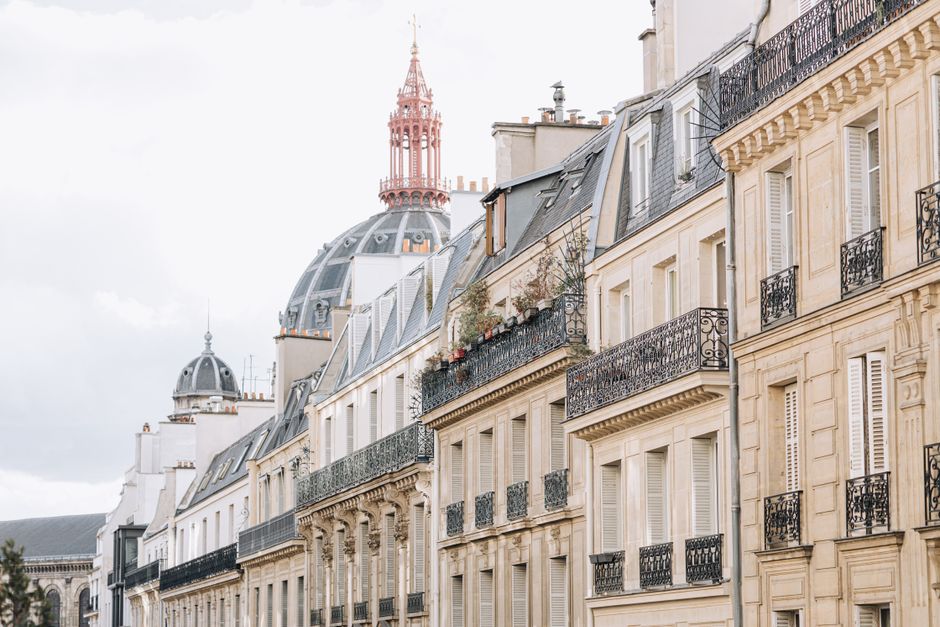
Walk through the Luxembourg Gardens on a Wednesday afternoon and you'll witness a distinctly Parisian ritual: children in crisp uniforms, mothers in tailored blazers, and a conspicuous absence of helicopter parenting. This scene encapsulates what makes raising a family in Paris fundamentally different from other major cities worldwide.
The French education system itself operates on principles that baffle Anglo-American parents. École maternelle begins at age three, but crucially, it's structured around academic rigour rather than play-based learning. By age five, children master reading, mathematics, and a structured curriculum—a stark contrast to the Montessori-dominated approach in London or New York. The école publique remains deeply affordable at around €500 annually, compared to £15,000+ for London private schools or $30,000+ in Manhattan.
But the real distinction lies in parenting philosophy. French parents embrace what educator Pamela Druckerman documented as "pause parenting"—the ability to let children experience frustration, boredom, and minor social conflicts without immediate intervention. This isn't coldness; it's calculated respect for childhood independence. At the Parc des Buttes-aux-Cailles or Square des Peupliers, six-year-olds navigate playground hierarchies alone while parents sit on benches reading, not filming TikToks of their achievements.
Lunch culture reinforces these values. Rather than packed lunches of processed snacks, Paris schools serve four-course meals prepared on-site—foie gras, fish, proper vegetables. The 12 to 2pm lunch break remains sacred, often keeping children home from school entirely. Family meals, not grab-and-go convenience, form the backbone of childhood nutrition and family time.
The city's geography also shapes parenting. Dense neighbourhoods like the Marais or Saint-Germain-des-Prés mean children walk to school from age seven or eight, gaining independence unthinkable in car-dependent cities. Public transport is reliable; independence is expected.
For expatriate families, this creates productive friction. International schools like the American School of Paris (costing €25,000+ annually) intentionally bridge worlds, but many families find themselves absorbing French parenting norms—setting boundaries, valuing adult autonomy, trusting children's resilience—regardless of their origin.
As global parenting anxieties intensify, Paris offers something increasingly rare: a city where childhood remains somewhat protected from the relentless optimization culture dominating parenting elsewhere. That difference, for many families, becomes the reason they stay.
This article was compiled by AI from the sources linked above and screened before publishing. See our editorial standards.
How does this story make you feel?
Spread the word
About this article
Published by The Daily Paris
Daily brief
Free, in your inbox before 7am. Weekdays.
More in lifestyle