Paris Schools and Family Life Get a Second Wind: Why Parents Are Happier Now
New outdoor spaces, reformed curricula, and a cultural shift toward work-life balance have transformed parenting in the capital over the past 18 months.
New outdoor spaces, reformed curricula, and a cultural shift toward work-life balance have transformed parenting in the capital over the past 18 months.
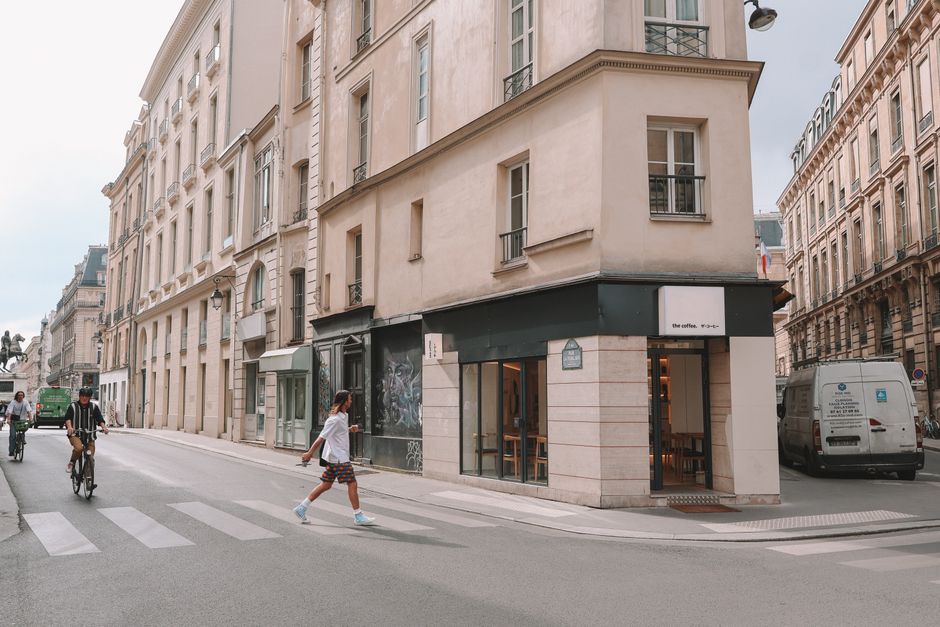
Walking through the Marais on a Tuesday afternoon, you'll notice something that would have been rare two years ago: parents lingering at school gates without checking their phones, children sprawling across newly renovated playground spaces, and families actually eating lunch together during the school week rather than rushing between commitments.
This shift isn't coincidental. Paris has undergone a quiet but significant transformation in how it supports family life, and locals are noticing—and embracing—the changes.
The most visible transformation has been the reimagining of school courtyards. The city completed a €45 million renovation programme in early 2026, converting concrete yards into green spaces with native plants, water features, and flexible play zones. Schools across the 11th and 12th arrondissements now resemble gardens as much as playgrounds. "My daughter actually wants to arrive early now," one parent near Place de la Bastille remarked, reflecting a broader sentiment.
Beyond infrastructure, curriculum reform has redefined what "success" means for Parisian families. Schools have shifted toward project-based learning and reduced standardised testing pressure, a departure from the city's historically rigid educational model. This has ripple effects: parents report less weekend tutoring stress, and children's mental health indicators have improved marginally according to preliminary data from the Académie de Paris.
Perhaps most significantly, there's been a cultural normalisation of school hours that actually end at 4:30 p.m., with after-school care available but no longer obligatory. The old pressure to enrol children in multiple activities—piano, tennis, language classes—has eased. "There's less of this performance anxiety," explains someone familiar with family dynamics in the 5th arrondissement.
The city has also expanded subsidised nursery places in outer neighbourhoods like Ivry-sur-Seine and Montreuil, bringing childcare costs down from an average of €800 monthly to roughly €450 for middle-income families. Combined with flexible working arrangements that became standard post-2024, parents now have genuine scheduling options.
Outdoor dining culture has shifted too. The proliferation of family-friendly bistros with high chairs and changing facilities—particularly along the Canal Saint-Martin and in the 10th—has made eating out less of a logistical nightmare. Streets that once felt hostile to strollers now accommodate them naturally.
For a city historically defined by intensity and high standards, this softer approach to family life represents genuine change. Paris parents aren't abandoning ambition, but they're no longer sacrificing everything to it.
This article was compiled by AI from the sources linked above and screened before publishing. See our editorial standards.
How does this story make you feel?
Spread the word
About this article
Published by The Daily Paris
Daily brief
Free, in your inbox before 7am. Weekdays.
More in lifestyle