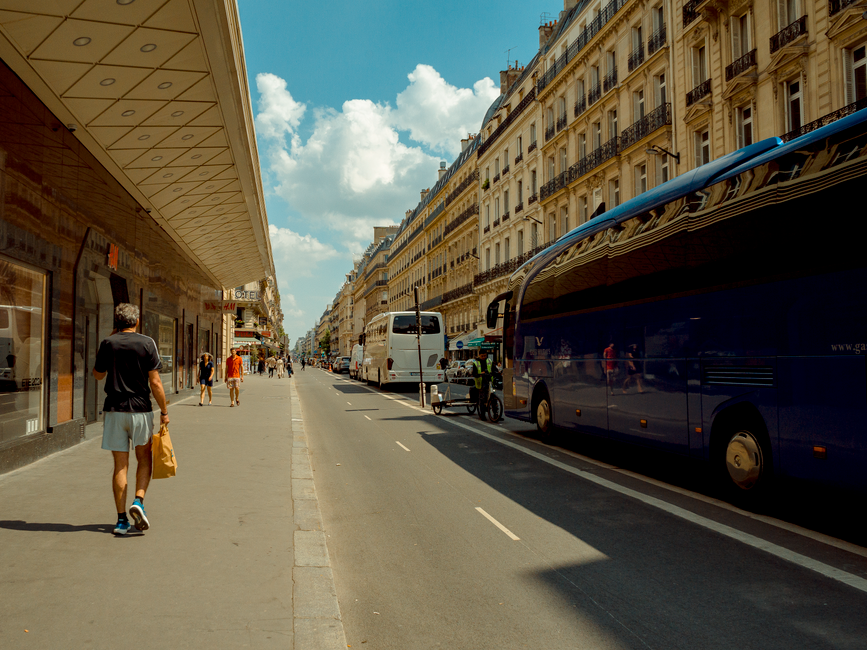
Walk down Rue de la Roquette on a Saturday morning and you'll witness the arteries of neighbourhood life pumping with purpose. The 11th arrondissement—historically a working-class stronghold now undergone subtle gentrification—remains one of Paris's most authentically lived-in quarters, where community identity hasn't been entirely swallowed by Instagram aesthetics.
This neighbourhood of roughly 150,000 residents thrives on what locals call "l'esprit du quotidien"—the spirit of daily life. Unlike the polished perfection of the 6th or 8th, the 11th celebrates its edges. Place de la Bastille anchors the western flank, but venture deeper into streets like Rue Oberkampf or Rue Jean-Pierre Timbaud and you'll find the real character: independent bookshops, community-run eateries, and corner establishments where regulars have sat at the same table for fifteen years.
The neighbourhood's backbone is its social infrastructure. Organisations like Belleville Citoyenne and local associations operating from the Mairie du 11e actively shape community priorities—from preserving affordable housing in an area where average rent now hovers around €18 per square metre, to organising monthly neighbourhood assemblies where residents debate everything from street parking to proposed developments.
Food culture here isn't about Michelin stars; it's about permanence and belonging. Family-run bistros like those found near République métro station serve the same clientele for decades. Meanwhile, cooperative food initiatives and weekend farmers' markets on Boulevard Richard-Lenoir create gathering spaces where neighbours become acquaintances, then friends.
What distinguishes the 11th is how it's resisted total homogenisation. Yes, boutique coffee roasters and vintage fashion shops have arrived, but they exist alongside traditional boucheries, fishmongers, and the kind of pharmacies where the pharmacist still knows customers' chronic conditions. The neighbourhood population remains remarkably diverse—significant Portuguese, Chinese, and recently Ukrainian communities contribute cultural texture that municipal initiatives actively celebrate through community festivals and integration programmes.
Perhaps most tellingly, the 11th maintains what urban planners call "mixed-use vitality." Ground floors host businesses; residents occupy upper floors. Streets bustle with purpose—people live here, not just visit. Community gardens tucked behind buildings offer neighbours growing space and connection points. Local newspapers and WhatsApp groups fervidly discuss neighbourhood issues with the engagement of people genuinely invested.
The 11th isn't perfect—rising rents pressure original residents—but it demonstrates how Paris neighbourhoods retain character through institutional support, diverse populations, and residents who actively participate in shaping their community's identity rather than passively consuming it.
This article was compiled by AI from the sources linked above and screened before publishing. See our editorial standards.