Where Paris Breathes: The Keepers and Dreamers Behind the City's Green Spaces
From the Marais to Montmartre, the people tending Paris's parks reveal how a city stays human in the midst of chaos.
From the Marais to Montmartre, the people tending Paris's parks reveal how a city stays human in the midst of chaos.
On a June afternoon in Parc des Vosges, the chessboards are occupied. An elderly man adjusts his glasses over a game that's lasted forty minutes; a teenager livestreams her strategy to followers somewhere across the globe. The park's 4.25 hectares belong to everyone equally, yet each visitor writes their own story across its gravel paths and manicured lawns.
This is Paris's quiet revolution. While global headlines scream of borders closing and tensions rising, the city's 475 parks and gardens have become refuges where the texture of daily life—real, intimate, unglamorous—persists. These aren't Instagram backdrops. They're where Parisians actually live.
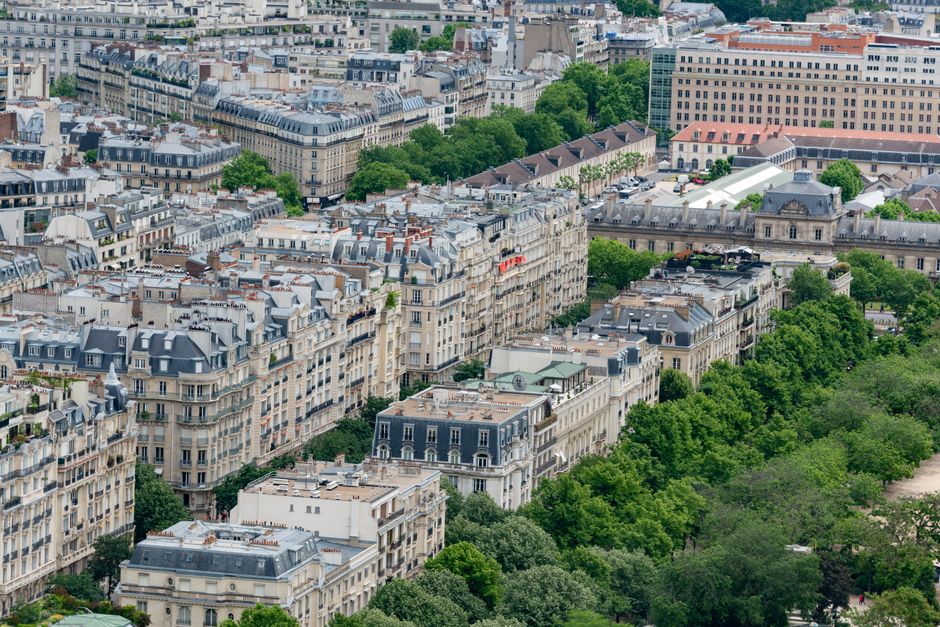
The numbers tell part of the story: Paris dedicates roughly 4,000 hectares to green space, about 8.5 per cent of the city's total area. But statistics miss what matters. They don't capture Claude, who's tended roses in the Jardin Catherine-Labouré in the 7th arrondissement for thirty-two years, or the community gardens sprouting across former industrial sites in Belleville, where migrants and longtime residents grow vegetables side by side at €3 per month per plot.
The Bois de Vincennes, spanning 995 hectares on the city's eastern edge, hosts 15 million visits annually. Yet walk the quieter lakeside paths and you'll encounter joggers at dawn, tai chi practitioners catching the light through chestnuts, and informal gatherings of friends who've claimed the same bench for decades. These people know something tourists rushing through never will: that parks are where a city's actual values emerge.
Recent years have accelerated this shift. Post-pandemic investment expanded green corridors across central neighbourhoods. The renovated Promenade Plantée—the world's first elevated park, predating New York's High Line by years—connects the Bastille to Bois de Vincennes, creating what locals call the city's green spine. It's become a daily thoroughfare for thousands choosing greenery over asphalt.
What makes Paris's park culture distinctive isn't the manicured French formality, though that persists in the Tuileries. It's the permission they grant for being: sitting motionless for hours, reading books no one else reads, having conversations that lead nowhere. In a city where life accelerates relentlessly, where rents climb and neighbourhoods transform, these spaces remain democratic. A retired concierge and a startup founder occupy the same square metre of shade.
As crisis feels closer and borders tighten, Paris's parks remind us that cities survive on small human moments. Tomorrow may bring headlines we'd rather not read. Today, the chessmen in Parc des Vosges remain at their game, unhurried and alive.
This article was compiled by AI from the sources linked above and screened before publishing. See our editorial standards.
How does this story make you feel?
Spread the word
About this article
Published by The Daily Paris
Daily brief
Free, in your inbox before 7am. Weekdays.
More in lifestyle