Mastering Paris on the Move: Your Practical Guide to Commuting Like a Local
From the Métro to vélos and riverboat shuttles, here's how residents navigate the City of Light efficiently and discover hidden gems along the way.
From the Métro to vélos and riverboat shuttles, here's how residents navigate the City of Light efficiently and discover hidden gems along the way.
Parisians have perfected the art of purposeful transit. Whether you're new to the 75 or rediscovering your neighbourhood, understanding the city's layered transport network transforms daily commuting from frustration into opportunity—a chance to explore while actually getting somewhere.
Start with the Métro, still the backbone of Parisian movement. The RATP operates 16 lines crossing the city with enviable frequency; line 1 connecting La Défense to Château de Vincennes remains the busiest, moving roughly 700,000 passengers daily. A carnet of 10 tickets costs €17.35, or invest in a Navigo Easy card (€2 one-time) for flexibility without commitment. Pro tip: download the RATP app for real-time updates and disruption alerts—summer maintenance can surprise unprepared travellers.
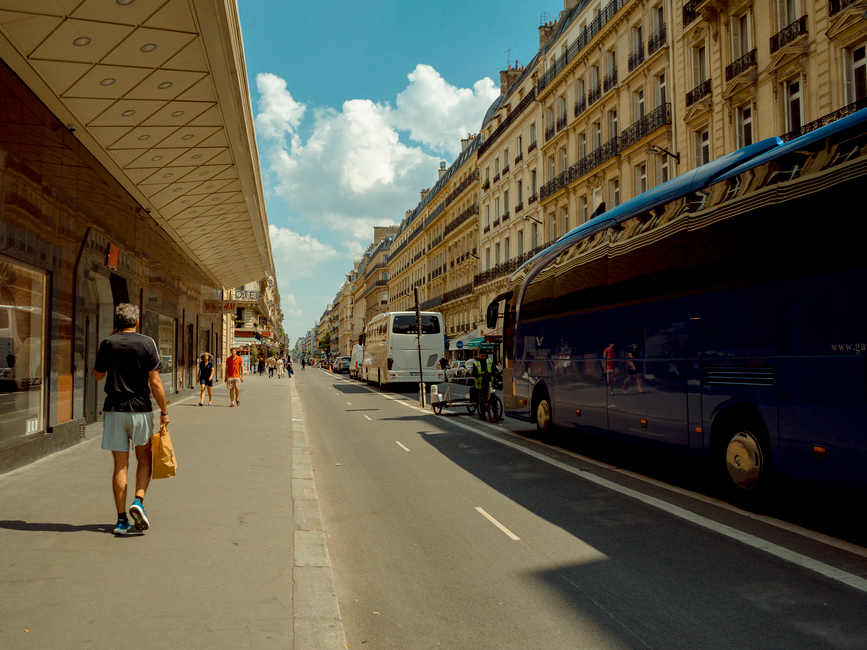
But Paris rewards those who venture beyond underground tunnels. The city's vélib' system operates 1,400 stations with over 13,000 bicycles; an annual subscription starts at €65, making it cheaper than regular café visits. Cycling the Rue de Rivoli or along Canal Saint-Martin reveals Paris at human speed—you'll notice the restored shopfronts, street musicians, and local markets that speed-walkers miss.
Don't overlook the buses. Line 69 takes you from Bastille through Le Marais toward Gare de Lyon, passing through some of Paris's most atmospheric quarters. Many residents actually prefer buses for their visibility and leisurely pace through neighbourhoods like the Latin Quarter and Montmartre.
For those living north of the Seine, the tramway network has expanded significantly; T3b now circles much of the outer 15th and 16th arrondissements, connecting Pont de Garigliano to Porte d'Ivry with modern, spacious comfort.
Consider riverboat shuttles too. Batobus operates year-round with eight stops from Eiffel Tower to Bibliothèque François Mitterand. A day pass costs €18; the journey becomes commute-as-meditation rather than commute-as-chore, particularly at golden hour.
The reality of Paris transport: it's imperfect but intentional. Occasional strikes are part of the deal—locals simply plan alternatives. The key is combining methods: Métro for speed, vélib' for pleasure, buses for discovery. This hybrid approach means you're not simply reaching destinations; you're inhabiting your city.
Summer 2026 brings expanded bike lanes and renovated Métro stations throughout the 10th and 11th arrondissements. Pick up a free transport map at any Métro station, or visit transilien.com for suburban rail options extending your Paris experience beyond administrative boundaries.
This article was compiled by AI from the sources linked above and screened before publishing. See our editorial standards.
How does this story make you feel?
Spread the word
About this article
Published by The Daily Paris
Daily brief
Free, in your inbox before 7am. Weekdays.
More in lifestyle