Walk into a dimly lit bar on Rue de la Soufflerie in the 5th arrondissement on any given evening, and you'll witness something increasingly rare in the world's major cities: strangers genuinely engaged in conversation. Not networking. Not posturing for social media. Simply talking—passionately, at length, about everything from philosophy to politics to the merits of natural wine.
This conversational culture distinguishes Paris's nightlife ecosystem from London's high-energy club scene, New York's hustle-driven happy hours, or Barcelona's beach-bar tourism. Here, the bar remains a salon—a concept that has defined Parisian social life for centuries and somehow persists in 2026.
The numbers tell part of the story. Paris hosts approximately 6,800 bars and cafés, with an estimated 40 percent of regular patrons spending three or more hours per visit, according to recent hospitality data. Compare that to Manhattan, where the average bar visit duration is 90 minutes. Parisians linger. They order a single glass of wine—typically €4-8 in neighbourhood venues, €12-18 in Marais—and settle in for the evening.
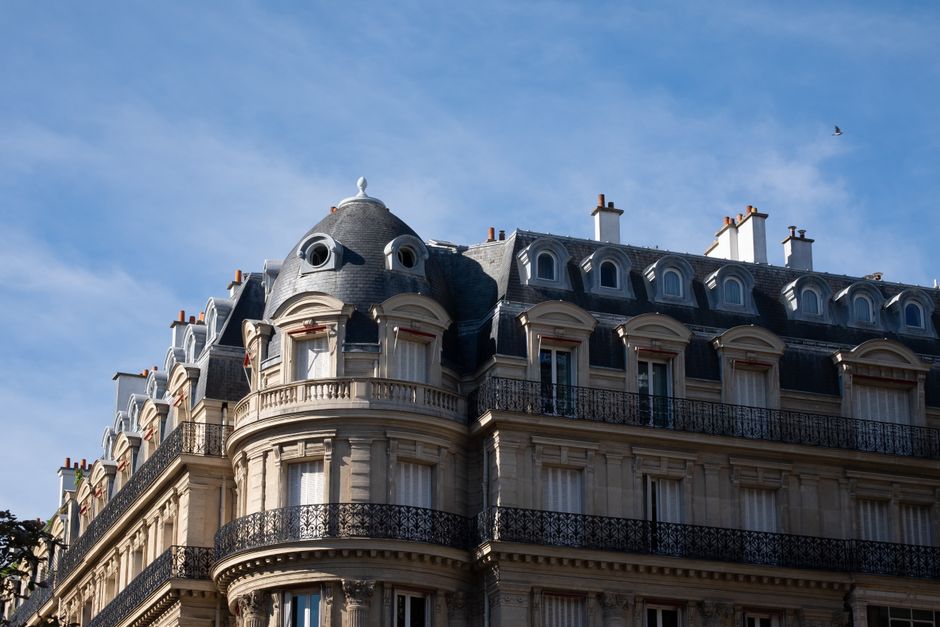
The geography reinforces this. Unlike cities built around nightlife districts, Paris distributes its social venues organically across neighbourhoods. The Latin Quarter's intellectual heritage attracts students and academics to cramped wine bars like Prescription Cocktail Club on Rue Dauphant. The Marais's centuries-old Jewish quarter houses eclectic venues alongside galleries and boutiques. Even Pigalle, long Paris's red-light district, has evolved into a neighbourhood where underground music venues coexist with artisanal cocktail bars and vintage shops—a layering of culture rather than segregation.
Price accessibility matters too. While London and Berlin have gentrified their nightlife into premium territory, Paris maintains a social contract: a neighbourhood bar remains genuinely affordable, allowing diverse age groups and incomes to occupy the same spaces. A pensioner sharing a table with art students isn't unusual—it's expected.
The French legal framework also shapes things differently. Licensing regulations allow bars to operate late without the expensive security infrastructure demanded elsewhere. This lower overhead keeps venues independent rather than consolidated into chains. Of Paris's 6,800 establishments, fewer than 200 belong to national groups.
Perhaps most distinctively, Paris resists the global template of nightlife as consumption spectacle. There's minimal pressure to document your evening, to perform for an audience. The scene exists for itself—a distinctly French idea that, somehow, still holds in our Instagram age.
This article was compiled by AI from the sources linked above and screened before publishing. See our editorial standards.