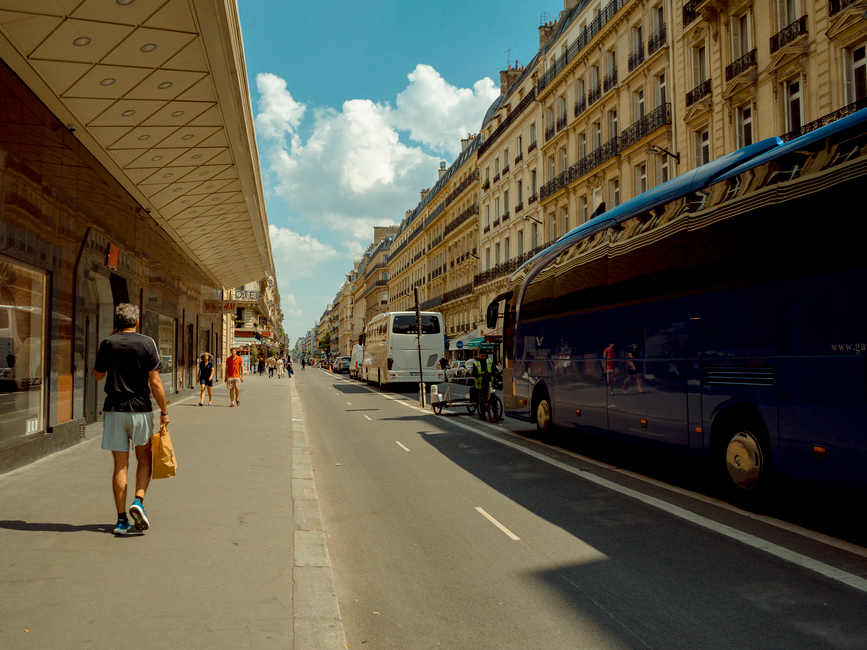
For over a century, Marché Bastille has been the beating heart of local commerce in the 11th arrondissement. But walk the cobblestone stretch between Richard Lenoir and the Colonne de Juillet today, and you'll notice something quietly revolutionary: the market is shedding its purely transactional identity in favour of something more deliberately experiential.
The shift accelerated sharply post-2024. Where fruit and vegetable stalls once dominated the Thursday and Sunday gatherings, vendors now curate their offerings with theatrical intention. Zero-waste produce sellers—offering vegetables without plastic wrapping—have multiplied from two in 2022 to seven by this summer. Prices for organic, loose tomatoes hover around €3.50 per kilo, compared to €1.80 for conventional produce, yet footfall at these stands has tripled according to informal vendor surveys.
"The clientele has fundamentally changed," explains one long-standing flower vendor whose family has worked the market for three generations. The younger demographic—professionals from nearby renovated Marais apartments—now dominates weekend mornings, seeking narrative alongside goods. Ready-to-eat prepared foods, virtually absent five years ago, now occupy nearly 20% of stall space, reflecting both time-poverty and Instagram-friendliness.
The administrative shift tells its own story. In January 2025, the Paris municipality formally recognised Marché Bastille as a "heritage market" qualifying for heritage protection, yet simultaneously incentivised modernisation through tax breaks for vendors adopting digital payment systems. The result: by mid-2026, roughly 65% of stalls now accept card payments, compared to perhaps 15% in 2020.
Physical infrastructure is evolving too. The municipality installed permanent water points for vendors in early 2026—a first for the market—and introduced dedicated compost collection, reflecting growing pressure around waste management. Yet tensions simmer beneath the surface. Rent increases in surrounding buildings, coupled with climbing market fees (up 8% this year), have pushed out several vintage vendors, replaced by younger entrepreneurs running niche operations: one stall sells exclusively biodynamic wines; another specializes in heirloom seeds.
Tourism, too, has become unavoidable. What was once overwhelmingly a neighbourhood convenience has become a listed destination. Tour groups now navigate the aisles most Sunday mornings, fundamentally altering the social texture.
Marché Bastille remains, undeniably, a Paris institution. But it's no longer simply a market—it's becoming a lifestyle destination, curated experience, and sustainability statement rolled into one. Whether that transformation preserves or erases its essential character remains the question that animates serious conversations over coffee in nearby Café Charlot.
This article was compiled by AI from the sources linked above and screened before publishing. See our editorial standards.