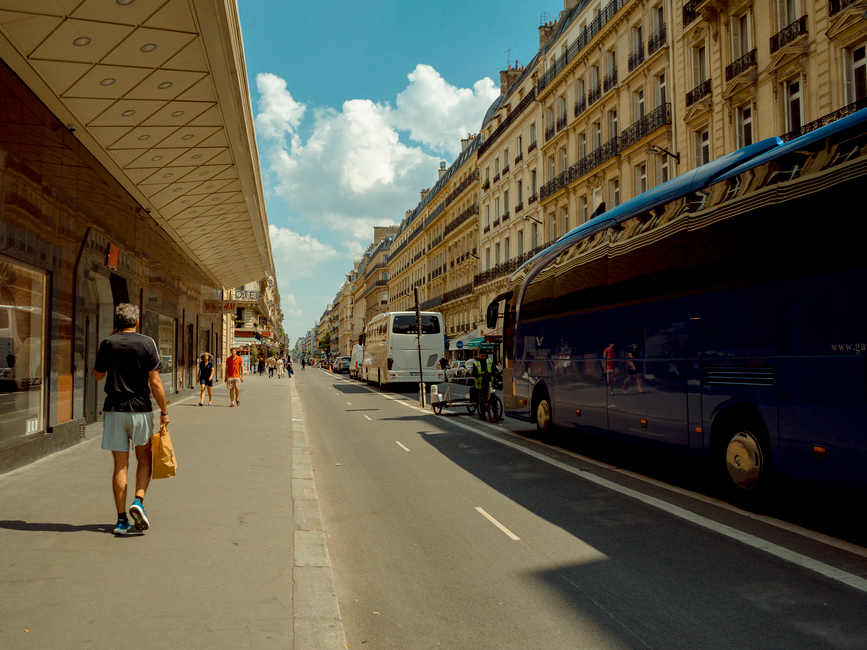
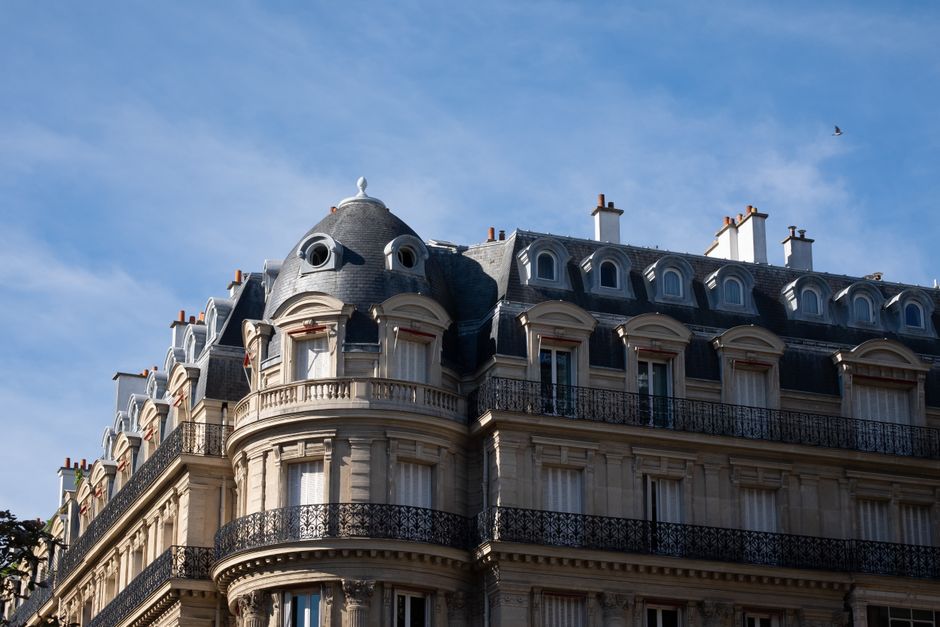
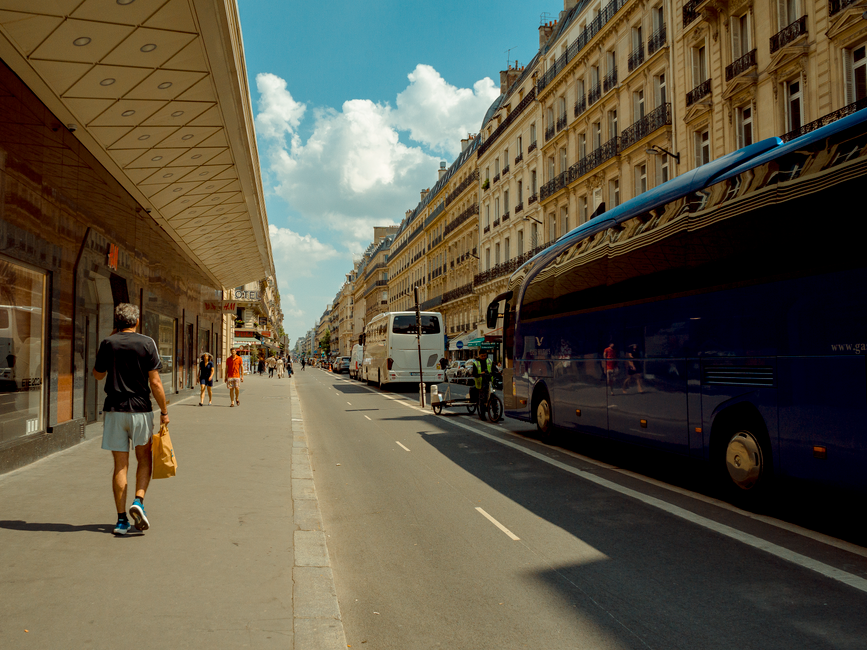
Walk down Rue de Charonne in the 11th arrondissement on a Friday evening and you'll notice something that felt nearly extinct five years ago: Parisians actually enjoying themselves without a phone in the air. This shift—away from the glitzy, globally-branded cocktail bars that once defined the capital's nightlife—represents a fundamental recalibration of how locals want to spend their evenings.
The change accelerated sharply in 2024 and 2025, driven partly by overtourism fatigue and partly by a new generation of bar owners who grew up watching Instagram culture strip the soul from their city. Today's venues favour substance over spectacle. Le Comptoir Général in the 10th remains a beacon for this philosophy, but it's the smaller, independent bars—those charging €8 for a quality glass of natural wine rather than €15 for a photogenic aperitif—that are experiencing genuine growth.
Neighbourhoods like Belleville and Canal Saint-Martin have undergone particularly striking transformations. Where vintage boutiques and tourist-trap crepe stands once dominated, intimate wine bars and neighbourhood cocktail lounges now thrive. Pricing has stabilised too: a properly made cocktail in these areas averages €10-12, compared to €16-18 in the Marais five years ago. This accessibility matters. It means 28-year-old graphic designers and 45-year-old teachers can afford regular nights out again, not just special occasions.
The social shift is equally significant. Bar culture in Paris has become less about status-signalling and more about genuine community. Venues increasingly host regular quiz nights, live acoustic sets, and themed tasting events—experiences that encourage conversation rather than performance. The Boîte à Matelots collective in the 5th exemplifies this trend, offering rotating experimental programming that builds loyal local followings.
Infrastructure improvements have helped too. Better late-night public transport options—extended Metro service on weekends and more reliable night bus routes—mean locals aren't trapped in expensive 11pm-to-midnight windows. This flexibility has shifted the entire rhythm of evening socialising, making impromptu drinks more feasible and planned nights out less stressful.
For Parisians fatigued by the previous decade's relentless gentrification, this recalibration feels like a small victory. The bar scene isn't reinventing itself to impress outsiders anymore; it's calibrating itself around what actually makes sense for the people who live here. That authenticity, paradoxically, is becoming the city's most valuable export.
This article was compiled by AI from the sources linked above and screened before publishing. See our editorial standards.