Your Essential Neighbourhood Navigation Guide: How Paris Residents Can Unlock Their Community
From hidden courtyards in the Marais to weekend markets in the 11th, here's how to make your neighbourhood feel like home.
From hidden courtyards in the Marais to weekend markets in the 11th, here's how to make your neighbourhood feel like home.
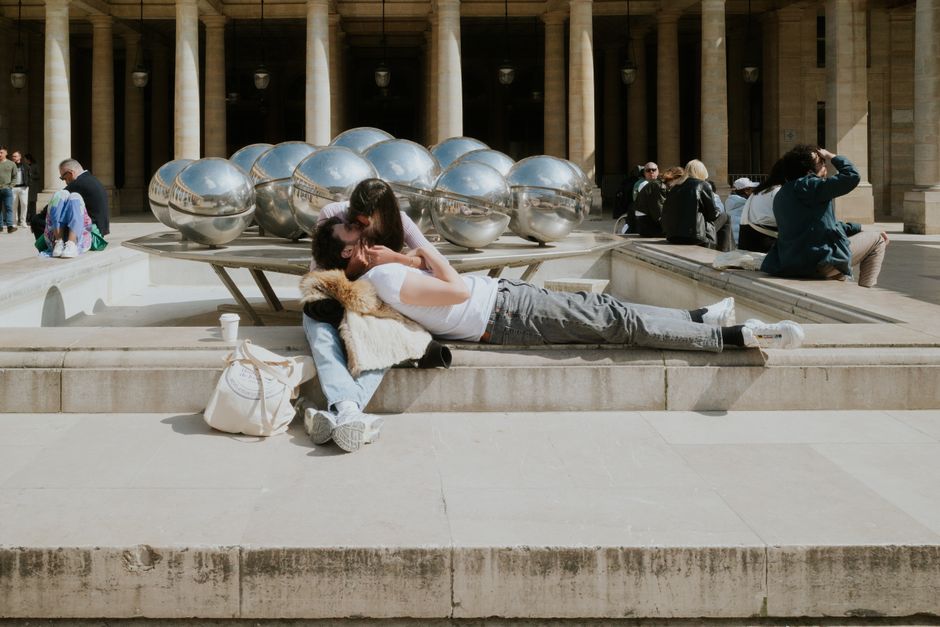
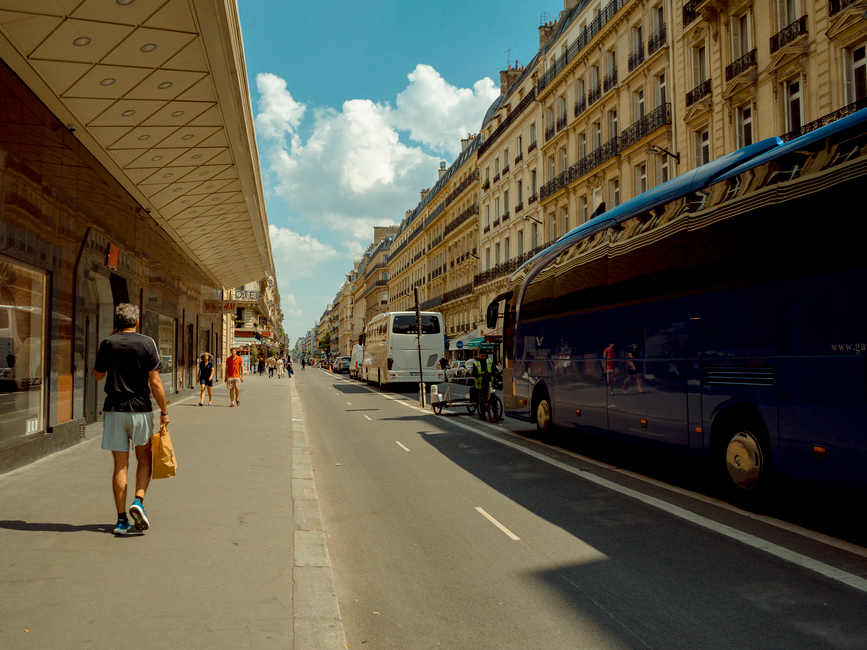
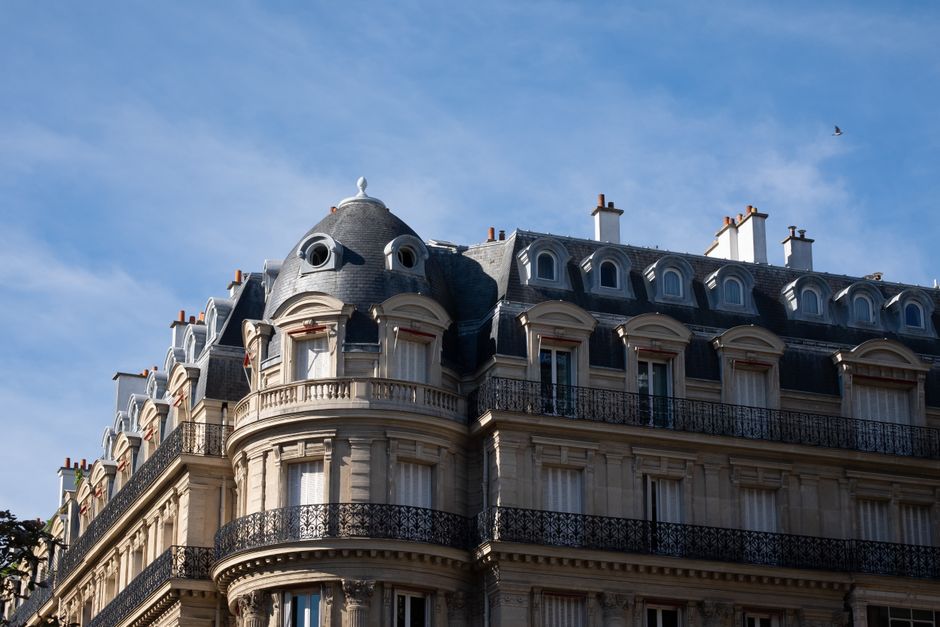
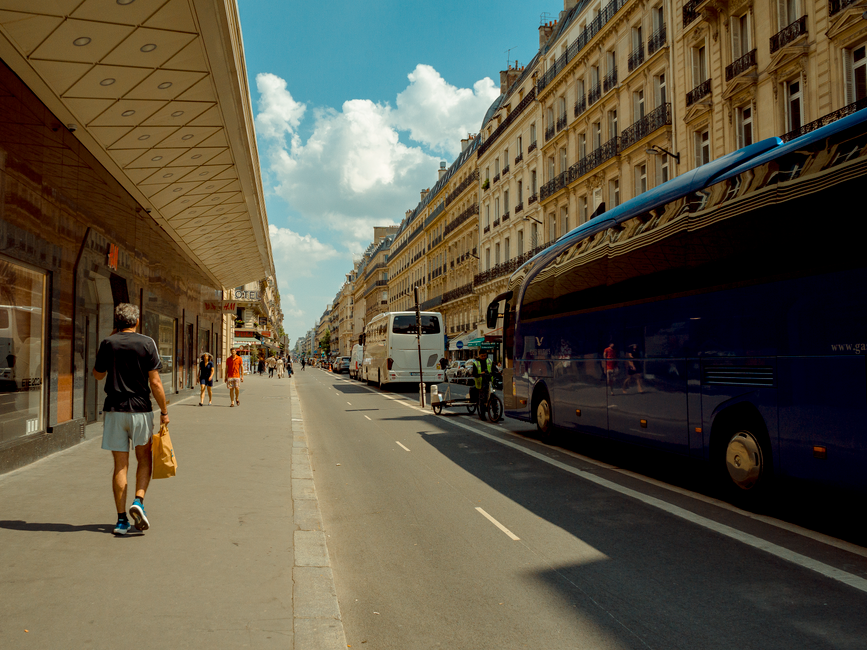
Living in Paris means inheriting a city of distinct villages, each with its own rhythm, characters and treasures. But knowing where to start exploring can feel overwhelming—especially for those new to their quartier. The key is approaching your neighbourhood methodically, like a local would.
Begin with the obvious anchors: your local mairie (town hall), pharmacie and café de quartier. In the 11th arrondissement, Place de la Bastille serves as a natural gathering point, while residents of the Marais gravitate toward the narrow streets between Rue des Rosiers and Rue des Francs-Bourgeois. These aren't just tourist landmarks; they're where community life actually happens. Your neighbourhood café isn't just for coffee—it's your informal information hub where locals discuss everything from plumber recommendations to upcoming events.
Next, map your practical infrastructure. Most Parisians live within 400 metres of a Métro station; know your line. Scout the nearest outdoor market: Rue Mouffetard in the 5th operates Tuesday through Sunday, with prices averaging €2-4 for seasonal produce. The Bastille Market (Boulevard Richard-Lenoir, Thursday and Sunday mornings) draws a genuine mix of residents, not tourists. Budget €30-50 weekly for fresh vegetables if you shop strategically.
Explore your local library or media centre—many arrondissements now offer free language classes, art workshops and community events. The Bibliothèque Forney in the 4th, housed in an 18th-century palace, hosts regular exhibitions exploring Parisian design and urban life. These spaces are crucial for neighbourhood integration, particularly for those seeking meaningful social connection beyond drinks at overcrowded bars.
Identify your neighbourhood's independent shops: the corner bookshop (librairie indépendante), the wine merchant who can advise without pretension, the fromagerie owner who remembers your preferences. These relationships take months to develop but become invaluable. A typical bottle of decent Burgundy costs €12-20 at neighbourhood shops, versus €35+ in touristy areas.
Finally, discover your neighbourhood's rhythm. Does your street close for a local festival? Are there community gardens accessible to residents? The 15th arrondissement's Rue du Commerce transforms during summer with extended terrasse seating and street performances. Check your mairie's website—each arrondissement publishes a free calendar of free or low-cost community events.
Paris residents who invest time in these practical explorations discover something tourists never will: that living here means becoming part of a functioning community where you're not just passing through, but genuinely belonging.
This article was compiled by AI from the sources linked above and screened before publishing. See our editorial standards.
How does this story make you feel?
Spread the word
About this article
Published by The Daily Paris
Daily brief
Free, in your inbox before 7am. Weekdays.
More in lifestyle