Paris Markets Decoded: What Locals Actually Buy and Where They Really Shop
Skip the tourist traps and discover the neighbourhood haunts where Parisians source everything from organic produce to vintage finds.
Skip the tourist traps and discover the neighbourhood haunts where Parisians source everything from organic produce to vintage finds.
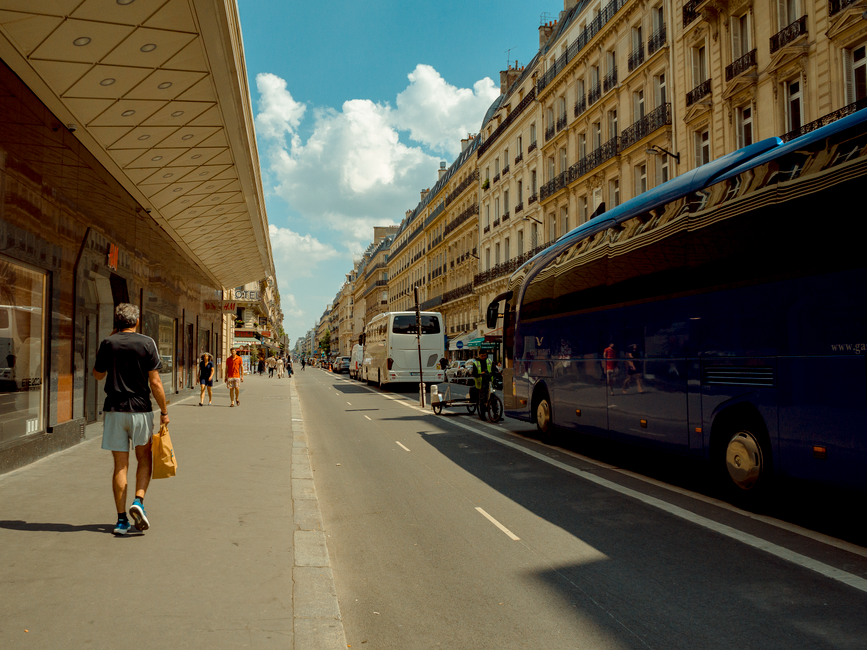
For those who've grown tired of overpriced souvenir shops along the Seine, the real Paris market culture thrives in neighbourhoods where residents do their actual shopping. The rhythms of daily life—and daily deals—tell a different story than what guidebooks advertise.
Marché Bastille, operating Wednesday and Sunday mornings along Boulevard Richard-Lenoir, remains a locals' favourite precisely because it's functional rather than performative. Vendors here cater to apartment dwellers stocking their kitchens, not tourists collecting experiences. A kilo of asparagus runs €4–6 depending on season; heirloom tomatoes in summer fetch around €3 per kilo from the same producers who've worked the market for decades. The 11th arrondissement crowd knows to arrive by 10am before the best produce disappears.
For fashion and vintage, the Marais has evolved beyond its gay village reputation into something more textured. Rue de Turenne hosts a mix of established boutiques and newer independent stockists where shop owners curate rather than franchise. Prices reflect Paris reality—a quality leather jacket sits around €200–400 at independents, significantly less than department store markups. The neighbourhood's vintage shops cluster around Rue de Sévigné, where locals hunt for 1970s Hermès scarves and Chanel costume jewellery without the Galeries Lafayette queues.
In the 5th arrondissement, Rue Mouffetard's market operates daily and remains stubbornly resistant to full gentrification, though recent years have seen gradual change. Regular shoppers report that early morning visits (before 9am) yield better prices and selection, particularly from produce vendors at the market's upper reaches near Rue de l'Estrapade.
Galeries Lafayette and Printemps dominate Paris's department store landscape, but locals note that seasonal sales (January and July) offer genuine value—often 40–50% reductions on previous season stock. The Bon Marché in the 7th remains slightly more curated than its larger competitors, attracting neighbourhood residents who prefer editorial discretion over volume.
What separates local shopping from tourist shopping isn't primarily location but behaviour. Parisians comparison shop deliberately, understand seasonal rhythms, maintain relationships with individual vendors, and avoid peak hours. They know that market prices fluctuate; produce costs more in winter, vintage finds reward patience, and full-price retail is rarely necessary if you wait for sales cycles.
The most consistent advice from actual residents: build a routine, visit early, ask vendors questions, and accept that the best finds often emerge through repeated visits rather than single expeditions.
This article was compiled by AI from the sources linked above and screened before publishing. See our editorial standards.
How does this story make you feel?
Spread the word
About this article
Published by The Daily Paris
Daily brief
Free, in your inbox before 7am. Weekdays.
More in lifestyle