Marais After Dark: How One Paris Neighbourhood's Bars Became a Mirror of Its Soul
From centuries-old Jewish bistros to queer-friendly wine caves, the Marais's nocturnal landscape reveals a community defined by reinvention and radical inclusivity.
From centuries-old Jewish bistros to queer-friendly wine caves, the Marais's nocturnal landscape reveals a community defined by reinvention and radical inclusivity.
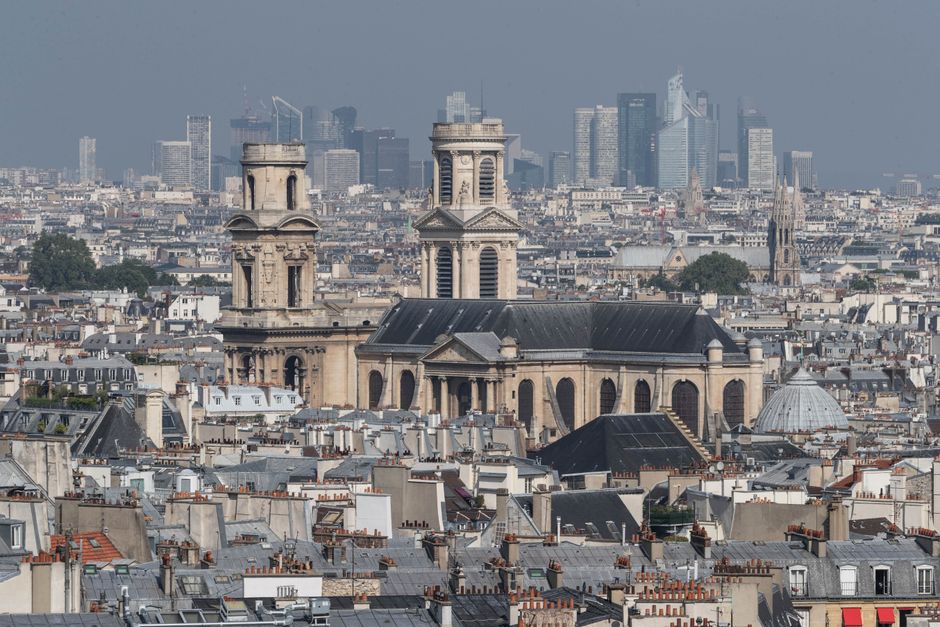
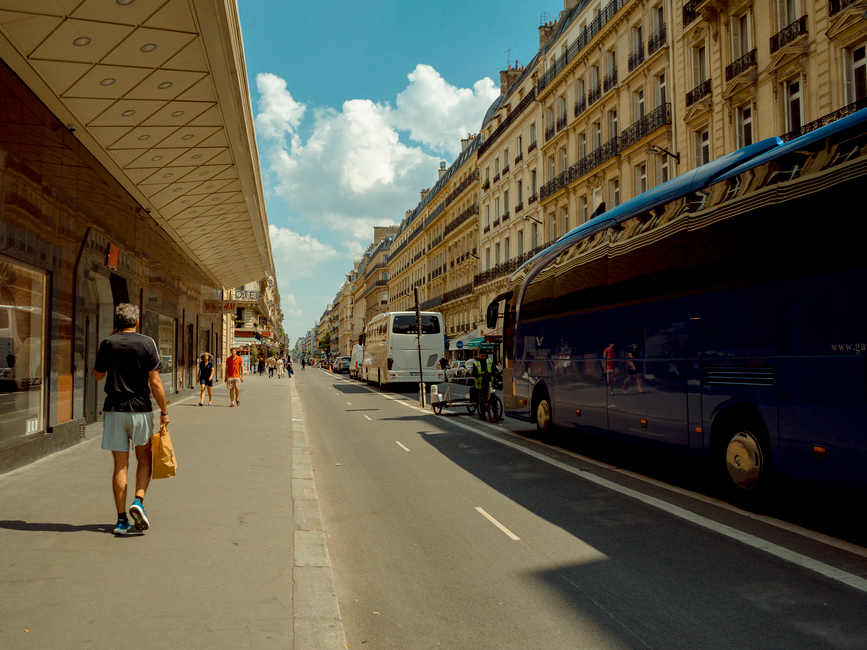
Walk down Rue des Rosiers on a Friday night and you'll witness something Paris's other neighbourhoods rarely achieve: a genuine cross-section of the city living in real-time harmony. The Marais—historically home to aristocrats, then Jewish merchants, then artists, and now everyone—has perhaps the most honest nightlife scene in the capital. Its bars aren't designed to impress outsiders. They exist because locals need somewhere to be.
The character emerges in layers. At L'As du Fallafel, queues of tourists and regulars blur together until midnight, but venture into the warren of smaller establishments on Rue Vieille du Temple and you'll find something different. Wine bars like Fragments serve glasses starting at €5, catering to the neighbourhood's working population. These aren't Instagram destinations. They're where neighbours become friends.
What makes the Marais distinct is its lack of monoculture. The neighbourhood's LGBTQ+ community—historically concentrated around Rue Sainte-Croix-de-la-Bretonnerie—has created genuinely welcoming spaces where sexuality isn't spectacle. Meanwhile, the Jewish cultural heritage remains woven into the fabric: bookshops stay open late, cultural organisations host events, and food remains a conversation starter rather than a transaction.
The demographic data tells this story. According to Paris's municipal planning office, the Marais has seen 18% population growth since 2015, with younger residents (25-40) now comprising 42% of inhabitants. Yet gentrification hasn't erased the old guard. You'll find third-generation business owners still running family establishments alongside newcomers opening natural wine bars.
The real magic happens around 11pm on weeknights, when the tourist surge subsides and the actual neighbourhood emerges. Conversations in French, Spanish, Hebrew and English drift through open windows. Groups spill onto narrow streets, transforming tight medieval passages into outdoor living rooms. There's an ease here—people genuinely seem to know each other, or don't mind the fiction of it.
The Marais's bar scene works because it's never tried to be singular. It's absorbed waves of communities, each leaving cultural fingerprints. Today's nightlife reflects that palimpsest: a place where heritage coexists with fluidity, where locals outnumber visitors despite global attention, where a €3 coffee and a €7 cocktail exist on the same street without contradiction.
That's the neighbourhood character. Not aspirational. Just authentically alive.
This article was compiled by AI from the sources linked above and screened before publishing. See our editorial standards.
How does this story make you feel?
Spread the word
About this article
Published by The Daily Paris
Daily brief
Free, in your inbox before 7am. Weekdays.
More in lifestyle