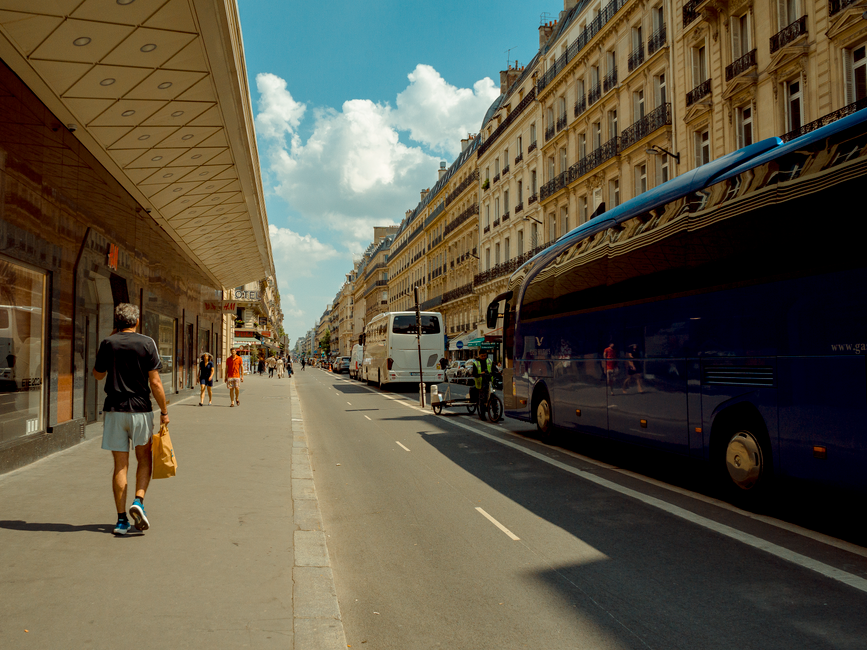
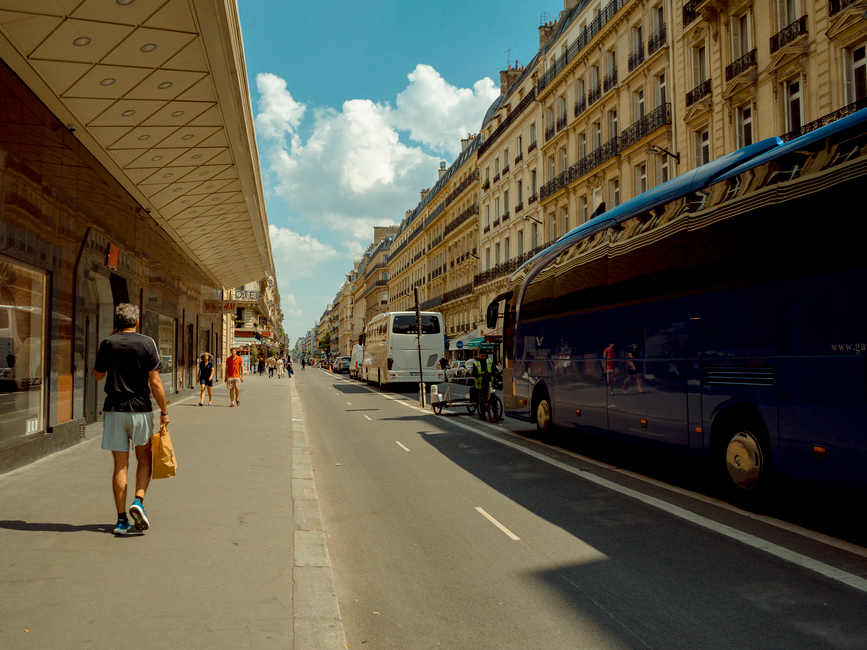
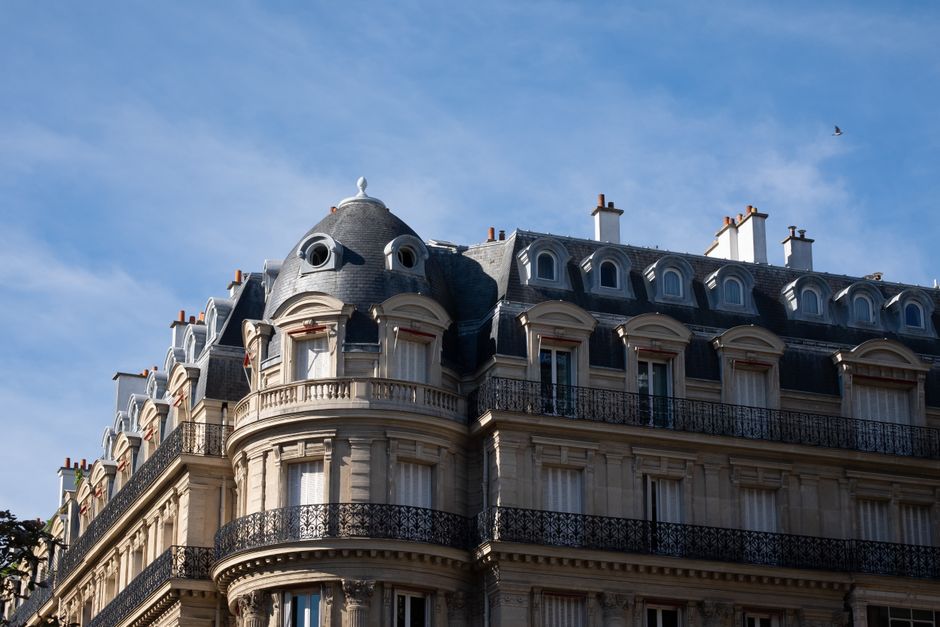
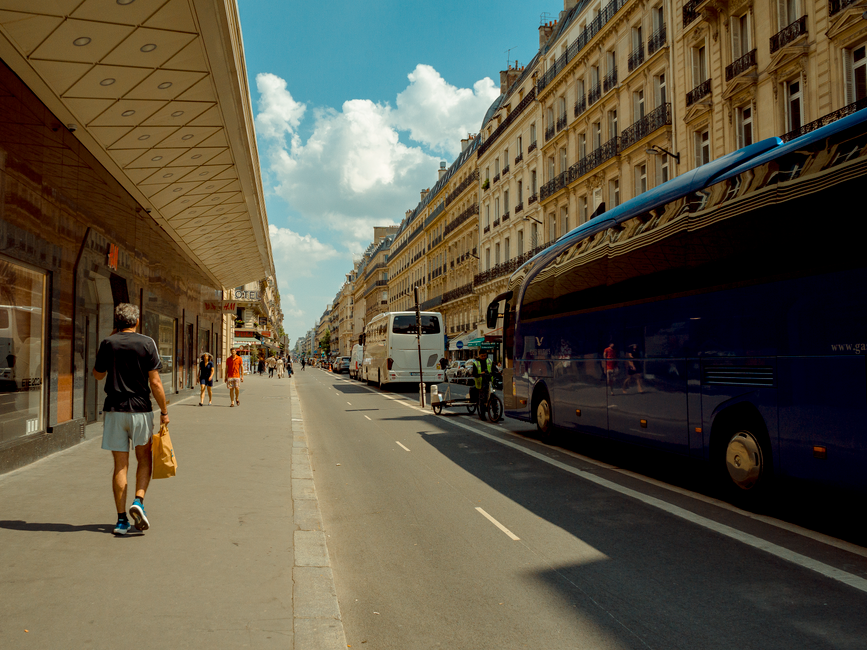
If you're considering a move to Paris, you're arriving at a peculiar moment: the city that tourists swear by and locals once fled is suddenly the place where Parisians themselves want to be again. The shift has been gradual but undeniable, reshaping everything from how the city breathes to where you'll actually want to spend your Saturday evenings.
The most visible transformation centres on the 5th and 6th arrondissements. The Left Bank, long dismissed by younger Parisians as a museum of itself, has experienced a genuine cultural awakening. Independent bookshops have returned to Rue Mouffetard, while the stretch between Rue de l'Odéon and Boulevard Saint-Germain now hosts a rotating crop of concept galleries and residency studios that attract artists from across Europe. Rents have climbed—expect €1,200–€1,600 monthly for a one-bedroom studio—but locals argue the neighbourhood finally justifies its legendary reputation.
What's fundamentally shifted is accessibility. The expansion of the vélib' electric bike network (now exceeding 5,000 stations) has made commuting from peripheral neighbourhoods like Belleville and Batignolles genuinely viable without metro dependency. Young professionals and families have decamped northward, revitalising former industrial zones. Rue des Trois Frères in the 18th, once overlooked, now hosts family-friendly cafés and boutiques that feel distinctly Parisian without the tourist machinery.
Infrastructure improvements matter too. The recent completion of transit connections linking the outer arrondissements directly to La Défense business district has reduced commute times significantly. For expats considering work in the financial sector, this changes everything about where you can afford to live while maintaining reasonable travel times.
But perhaps most importantly, Paris has loosened its grip on rigid social hierarchies. New resident organisations, co-working spaces (particularly around Marais and the 11th), and deliberately international community groups have made the process of building social networks considerably less daunting than the Paris of even five years ago. Organisations facilitating expat integration report membership growth of 40 percent annually since 2024.
The cost of living remains significant—Paris ranks among Europe's pricier capitals—but what residents speak about now isn't the expense. It's that the city has begun feeling alive again in neighbourhoods beyond the Eiffel Tower radius. That's what brings people back.
This article was compiled by AI from the sources linked above and screened before publishing. See our editorial standards.