Paris Transport Guide: The Real Cost of Getting Around and Everything You Need to Know Before You Go
From the Metro to Vélib' bikes, here's what visitors and newcomers actually pay to navigate Europe's most beautiful city.
From the Metro to Vélib' bikes, here's what visitors and newcomers actually pay to navigate Europe's most beautiful city.
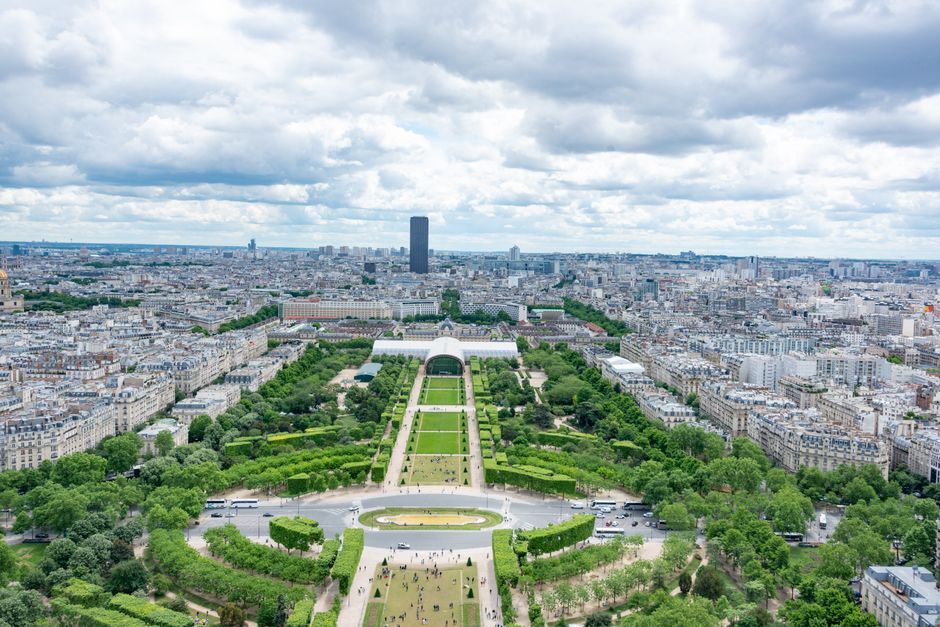
Paris moves on the Metro. Every day, nearly 5 million journeys happen across the 16 lines that spider-web beneath the city, connecting the Marais to Montmartre, La Défense to the Left Bank. But before you descend those distinctive art nouveau staircases, understanding Paris's transport landscape—and what it costs—is essential.
The RATP (Régie Autonome des Transports Parisiens) operates the Metro, buses, and trams across the Île-de-France region. A single ticket costs €2.15, though most visitors benefit from a carnet—ten tickets for €16.90, bringing the per-journey cost to €1.69. Day passes (Mobilis) start at €8.45 for zones 1-2, covering central Paris from Châtelet to Père-Lachaise cemetery. For longer stays, a weekly pass (€33.15) or monthly subscription (€86.40) makes financial sense.
The system itself is remarkably efficient. Trains run every 90 seconds during peak hours on major lines like Line 1, which stretches from La Défense's glass towers to Château de Vincennes. Journey times are predictable: Bastille to Gare du Nord takes roughly 20 minutes. The infrastructure is aging—some stations like Abbesses still have no lifts—but expansion projects continue, with recent modernisation at République and Châtelet-Les Halles.
Buses offer an alternative view of neighbourhoods like the Canal Saint-Martin or Belleville, though navigation requires more planning. Night buses (Noctilien) serve routes until dawn, useful for late-night returns from venues in the 11th arrondissement or Pigalle.
Paris's Vélib' bike-sharing system has revolutionised short journeys. An annual subscription costs €119, with rides under 30 minutes free—ideal for hopping between the Louvre and Tuileries Gardens, or crossing the Seine to Île Saint-Louis. Electric bikes cost more but eliminate sweat before dinner reservations.
Taxis remain expensive: €4 base fare plus €1.47 per kilometre, with surcharges for airport runs and night travel. Ride-sharing apps like Uber operate but face local resistance. Regional trains connect suburbs; the RER (Réseau Express Régional) links central hubs like Gare de Lyon to outer zones within 45 minutes.
For those serious about Paris living, the Navigo Easy card—a reloadable contactless system costing €5—works across all RATP services and regional trains. It's the commuter's choice, reducing friction across a city where getting around well means experiencing it fully. Whether ascending Montmartre's steep streets or gliding beneath the Seine, Paris rewards those who understand its rhythms and routes.
This article was compiled by AI from the sources linked above and screened before publishing. See our editorial standards.
How does this story make you feel?
Spread the word
About this article
Published by The Daily Paris
Daily brief
Free, in your inbox before 7am. Weekdays.
More in lifestyle