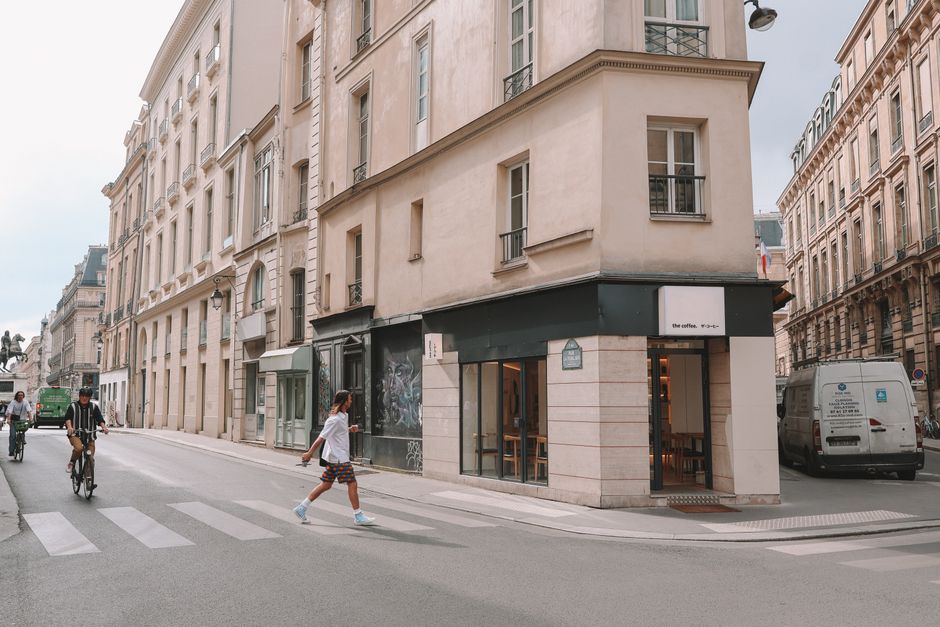
Walk down Rue des Francs-Bourgeois on a Tuesday afternoon and you'll notice something unexpected: clusters of children aged six to twelve gathered in converted townhouses, collaborating on projects with notebooks and natural light, rather than sitting in regimented rows. Le Marais, Paris's historic right-bank neighbourhood, has quietly become the epicentre of a profound shift in how families approach schooling.
The change reflects broader anxieties about France's education system. Traditional lycées in central Paris report enrolment pressures—the nearby Lycée Charlemagne operates at 110 percent capacity—while parents increasingly question whether the national curriculum adequately supports their children's emotional development and creativity. Into this gap has stepped a growing network of independent learning communities.
Organisations like Ecole Ensemble, which operates three sites within a fifteen-minute radius of Place des Vosges, now serve over 180 families. These aren't elite private schools charging €12,000 annually; instead, they're cooperative ventures where parents contribute £400–600 monthly, plus volunteer hours. This democratic model has proven attractive to Le Marais's increasingly international demographic—roughly 35 percent of residents are now foreign-born, seeking alternatives to the hierarchical French system.
The physical transformation is visible too. Former boutiques and galleries along Rue Turenne and Rue Saint-Antoine have been converted into luminous classrooms. The Atelier Montessori du Marais, which opened in 2023, occupies a 200-square-metre space that once housed a textile showroom. Founder initiatives emphasise bilingual education, environmental literacy, and mental health support—priorities that reflect contemporary parental concerns largely absent from state curricula.
Traditional stakeholders aren't dismissing this trend. The Académie de Paris has begun consulting with these communities, recognising that rising demand for alternatives indicates genuine pedagogical hunger. Some families blend approaches, enrolling children in state schools while supplementing with weekend workshops at neighbourhood venues like the Centre Culturel Marais.
Of course, inequalities persist. A child attending cooperative schools enjoys smaller class sizes (typically twelve to eighteen pupils versus thirty-plus in public lycées), yet families without €500 monthly disposable income remain reliant on an increasingly strained state system. This creates a two-tier reality within Le Marais itself—one increasingly apparent to parents navigating school choices.
Still, the neighbourhood's educational landscape reflects something broader: a generation reconsidering what childhood development requires in 2026. Whether through cooperative micro-schools or reformed state institutions, Le Marais is testing whether education might finally prioritise the child over the institution.
This article was compiled by AI from the sources linked above and screened before publishing. See our editorial standards.