The Faces Behind the City: What Makes Paris Home for Those Starting Over
Beyond the monuments and metro lines, it's the communities and characters of quartiers like the Marais and Belleville that transform newcomers into Parisians.
Beyond the monuments and metro lines, it's the communities and characters of quartiers like the Marais and Belleville that transform newcomers into Parisians.
Paris welcomes roughly 100,000 new residents each year, yet the city's real magic lies not in its architecture alone, but in the people who've chosen to make it home. For expats navigating relocation, understanding these human networks—the café owners, community organisers, and fellow transplants—often proves more valuable than any guidebook.
In the Marais, a neighbourhood historically shaped by successive waves of immigrants, this truth becomes immediately apparent. The district's Jewish quarter along Rue des Rosiers now sits alongside LGBTQ+ cultural spaces, vintage boutiques, and family-run falafel shops that have anchored communities for decades. New arrivals often discover that settling here means inheriting a long tradition of pluralism. Local organisations like the Maison de l'Europe facilitate integration through language exchanges and neighbourhood walks, creating instant social scaffolding for those arriving alone.
Belleville tells a different story, equally vital. Once working-class and now increasingly gentrified, the neighbourhood retains pockets of authentic community. Street art murals map the area's multicultural identity, while intimate venues like Chez Prune café along the Canal Saint-Martin serve as informal hubs where expats, students, and lifelong residents collide over coffee. Average rent for a studio in Belleville hovers around €700 monthly—significantly less than the Marais's €900—making it accessible to those on tighter budgets.
The practical realities matter, of course. Opening a bank account requires patience; navigating French bureaucracy demands resilience. Yet those who succeed invariably credit human connection. Networks like InterParis, which hosts monthly meet-ups across arrondissements, and the British Church in the 6th arrondissement (despite its name, serving a genuinely international congregation) provide scaffolding during those disorienting early months.
What distinguishes Paris relocation from other European cities is the expectation of cultural reciprocity. This isn't a city designed for passive tourism. Newcomers who shop at local markets, attend neighbourhood apéros, and engage with their immediate community find themselves absorbed into fabric that's simultaneously ancient and constantly renewing.
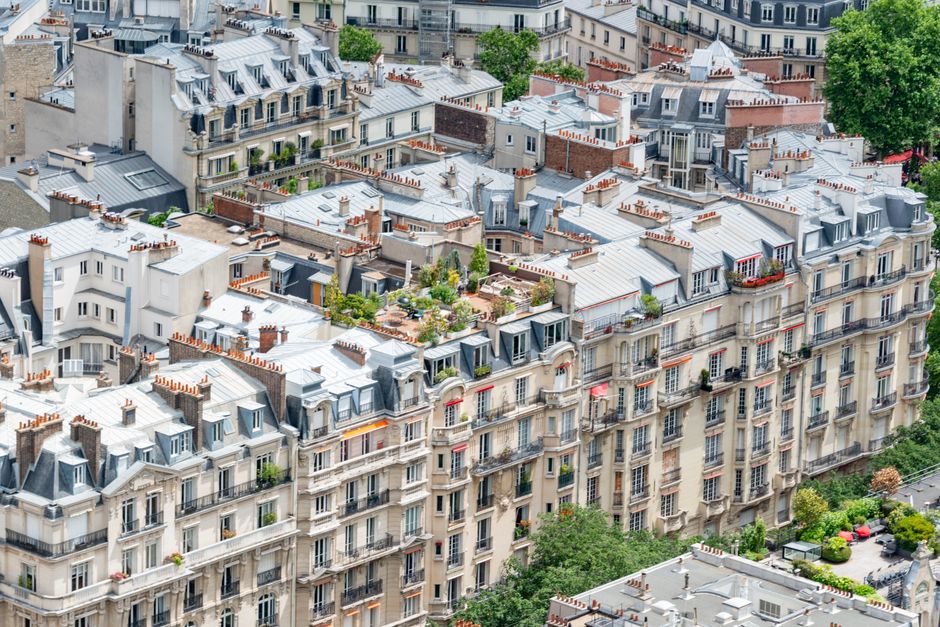
The city's charm, ultimately, isn't preserved in its 19th-century facades but animated through its people—the shopkeepers who remember your name, the neighbours who warn you about street flooding in autumn, the fellow expats-turned-locals who've walked this same bewildering path. For those committing to Paris, these faces become the city itself.
This article was compiled by AI from the sources linked above and screened before publishing. See our editorial standards.
How does this story make you feel?
Spread the word
About this article
Published by The Daily Paris
Daily brief
Free, in your inbox before 7am. Weekdays.
More in lifestyle