Why Paris Remains Incomparable: What Sets This City Apart for International Relocators
From its walkable arrondissements to its commitment to leisure, Paris offers a lifestyle template that global cities struggle to replicate.
From its walkable arrondissements to its commitment to leisure, Paris offers a lifestyle template that global cities struggle to replicate.
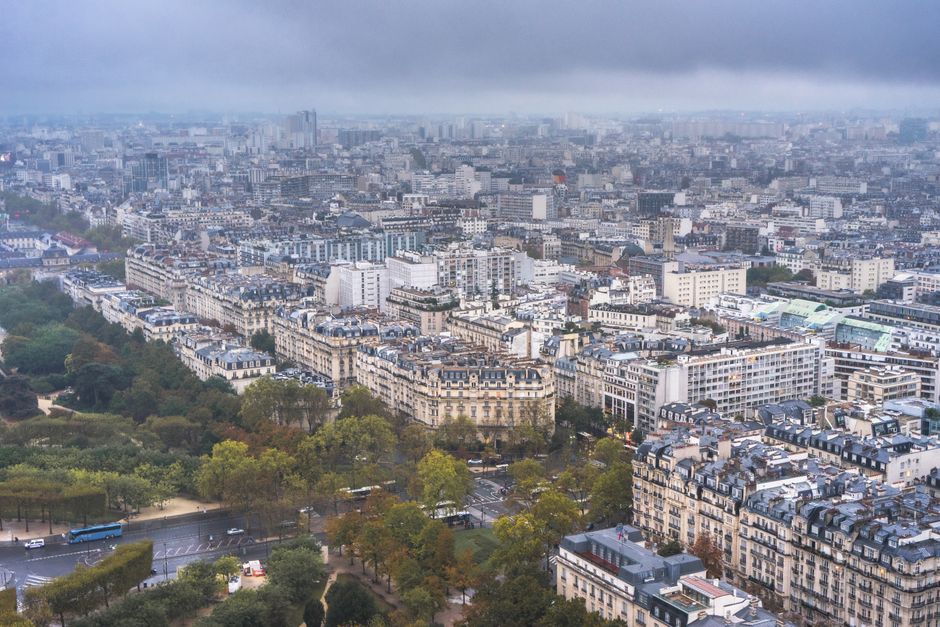
Moving to a new country is daunting. Moving to Paris comes with an unexpected advantage: the city's infrastructure and cultural priorities have been deliberately shaped to prioritize quality of life in ways that most global capitals have abandoned or never attempted.
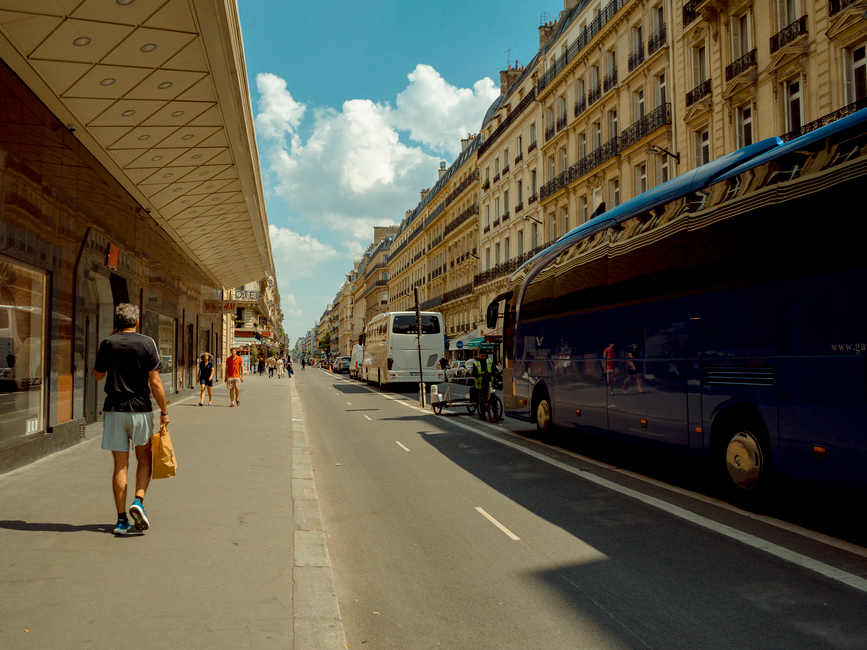
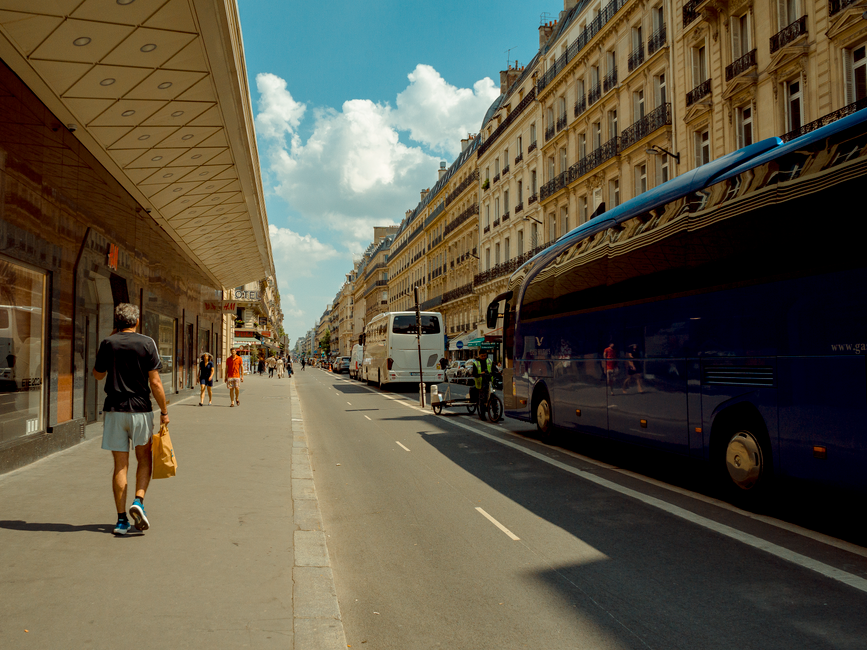
Consider the basics. Paris covers 105 square kilometres with a population of 2.1 million, yet somehow feels intimate rather than claustrophobic. The 20 arrondissements are designed as semi-autonomous villages—each with its own character, market day, and café culture. Compare this to London's sprawl, New York's verticality, or Singapore's corporate compartmentalization. New arrivals consistently report that they can reach the Marais's galleries on foot from the Latin Quarter, or drift from Canal Saint-Martin's independent bookshops to the Belleville street art scene without consulting transport maps. This walkability isn't accidental; it's foundational.
Then there's the non-negotiable relationship with time. Office culture here still respects lunch—a genuine 90-minute affair, not a desk salad. The legal maximum working week is 35 hours. Parks close at dusk, not for security but because evening is for aperitifs, not jogging. This rhythm feels radical to arrivals from Hong Kong, Sydney, or Toronto, where hustle culture remains normative. The Jardin du Luxembourg's 60 acres receive 3 million visitors annually, many of whom simply sit, read, and exist without productivity guilt.
The cost factor deserves honesty. A one-bedroom apartment in the 6th arrondissement averages €1,400 monthly; central London demands £1,600. But Parisians spend considerably less on food, transport, and healthcare. A metric rarely discussed: France mandates five weeks of annual leave as standard. Add public holidays and school vacations, and residents gain roughly 40 non-work days yearly—a productivity trade-off that most expat communities never experience.
Cultural infrastructure is another differentiator. Over 130 municipal museums charge no entry fees or reduced rates. The Louvre, Musée d'Orsay, and Pompidou Centre are accessible, not gatekept. International arrivals from New York or Los Angeles, accustomed to $30 entry fees, often weep.
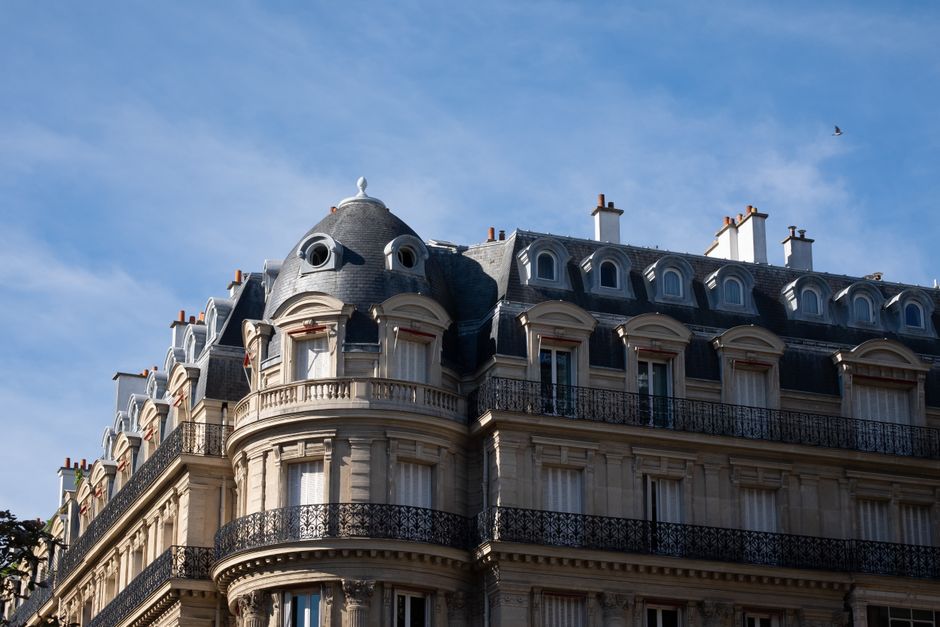
What truly distinguishes Paris for newcomers, however, is institutional stubbornness about non-negotiables. While Singapore optimizes for efficiency and Dubai for spectacle, Paris insists on inefficiency as a feature: narrow streets prevent corporate sameness, rent controls preserve neighborhood diversity, and zoning laws prohibit shopping malls from colonizing residential areas.
This isn't nostalgia. It's deliberate resistance to the homogenized global city template. For expats exhausted by interchangeable skylines and optimized emptiness, that distinction—however invisible on arrival—becomes the point.
This article was compiled by AI from the sources linked above and screened before publishing. See our editorial standards.
How does this story make you feel?
Spread the word
About this article
Published by The Daily Paris
Daily brief
Free, in your inbox before 7am. Weekdays.
More in lifestyle