A Scorched July 4th in Paris: How Climate and Community Are Defining the City's Creative and Cultural Identity
As heatwaves force public celebrations indoors, Parisian artists and organizers are rewriting the playbook for local engagement.
As heatwaves force public celebrations indoors, Parisian artists and organizers are rewriting the playbook for local engagement.
Paris is effectively shuttering its outdoor public plazas today, July 4, as temperatures across the Île-de-France region climb toward 38 degrees Celsius. While cities from Philadelphia to Washington D.C. are contending with similar cancellations for their national holiday, the French capital is leaning into an unexpected pivot: the radical interiorization of culture. Rather than the usual massive gatherings at the Champ de Mars, the city’s identity is shifting toward the intimate, the curated, and the temperature-controlled.
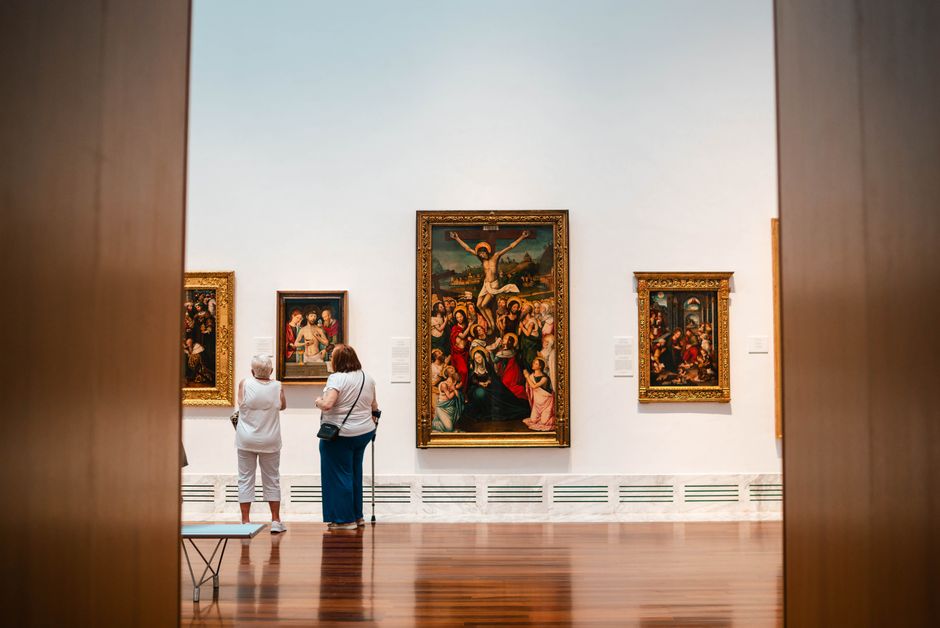
The sudden move to keep cultural events under lock and key—or rather, under air conditioning—has forced institutions to prove their relevance beyond the street fair model. At the Centre Pompidou, the exhibition floors are operating at near-full capacity, serving as a refuge for thousands who would otherwise be walking the quais of the Seine. Meanwhile, the Bourse de Commerce is reporting a 22 percent spike in daily ticket sales compared to the same holiday period last year. For local curators, this isn't merely a logistical headache; it is a forced experiment in how art can function when the city’s outdoor "living room" becomes physically hostile.
Neighborhoods like the 11th arrondissement are seeing a resurgence in small, independent gallery activity. The Galerie Chantal Crousel and local hubs like Le Point Éphémère have adjusted their programming to include late-night workshops that avoid the midday heat. This shift highlights a departure from the city’s historic reliance on grand, outdoor spectacle. Instead, the focus has narrowed to community-driven, smaller-scale intellectual exchange. This mirrors a broader trend across European capitals, where environmental volatility is increasingly dictating the rhythm of the arts sector.
Data from the Paris Convention and Visitors Bureau suggests that visitors are spending an average of 45 euros per day more on indoor dining and museum memberships compared to July 2024. The municipal government has also expanded its "cool islands" initiative, designating 800 public cooling spaces throughout the city, ranging from municipal libraries to historic parks like the Parc Monceau, which will remain open until midnight to accommodate the crowds. The entry fee for most state-run museums remains frozen at the standard 15-euro tier, a deliberate policy choice to ensure accessibility despite the heat-induced displacement of street performers and open-air markets.
If you are planning to head out this evening, skip the sun-drenched boulevards in favor of the subterranean archives or climate-regulated ateliers in the Marais. The most vibrant cultural identity in Paris today is being formed in the dim, cool corners of galleries and the quiet aisles of libraries. Wear light linen, keep a bottle of water in your bag, and plan your route by checking the official Ville de Paris "cool island" map before departing. The city is still breathing; it has simply moved its lungs indoors for the weekend.
How does this story make you feel?
Spread the word
About this article
Published by The Daily Paris
Daily brief
Free, in your inbox before 7am. Weekdays.
More in culture