A Weekend of Resistance: How Paris’s Mid-Summer Arts Push is Defining the City’s Creative Identity
As heatwaves disrupt global public gatherings, Paris is betting on intimate, climate-conscious programming to secure its cultural future.
As heatwaves disrupt global public gatherings, Paris is betting on intimate, climate-conscious programming to secure its cultural future.
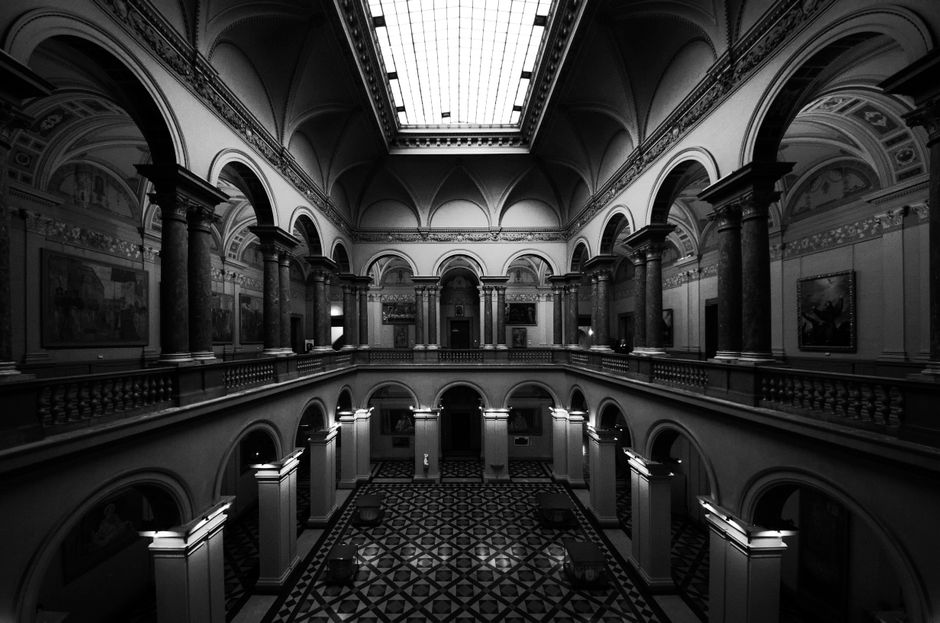
Paris is turning its back on the sprawling, outdoor festivals that defined the early 2020s, favoring instead a model of decentralized cultural resilience. This weekend, the city’s creative pulse is beating in basements, private courtyards, and hyper-local galleries, moving away from the mega-event fatigue seen in capitals from Washington to Philadelphia, where record-breaking temperatures have effectively shuttered public celebrations today, July 4.
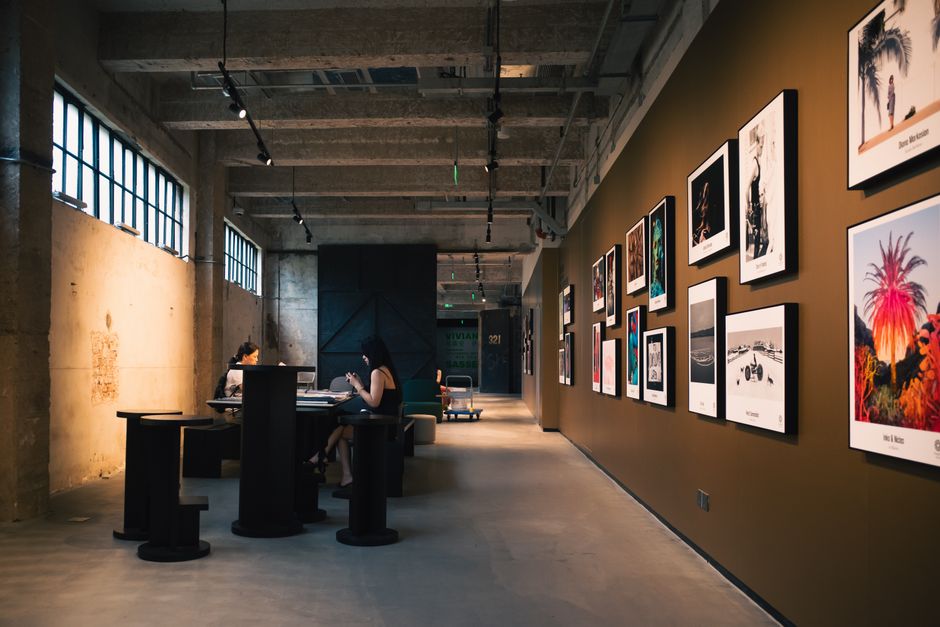
The city's cultural administrators are shifting focus toward the 10th and 19th arrondissements, where programming has been redesigned to favor climate-controlled historic interiors over exposed public plazas. At the Centquatre-Paris on Rue Curial, a new experimental theater initiative aims to bridge the gap between digital performance and physical presence. Meanwhile, the artistic collective situated at Le 100 on Rue de Charenton has opened its doors for a 48-hour installation focused on local environmental history, refusing the lure of large-scale outdoor sponsorship.
This is a strategic recalibration of what it means to be a global cultural hub. By retreating from the sweltering embankments of the Seine and into refurbished industrial spaces, institutions like the Palais de Tokyo are effectively rebranding the Parisian experience as one of intellectual sanctuary rather than just sight-seeing. The shift is already reflected in the city’s municipal budget for the second half of 2026, which shows a 14% increase in funding for climate-resilient indoor cultural infrastructure compared to last year.
Entry fees for this weekend’s boutique exhibitions remain accessible, averaging 12 euros per ticket at independent galleries in the Marais district, significantly cheaper than the rising costs of private museum tours in cities experiencing similar travel disruptions. Official data from the Paris Tourism Board suggests that while total foot traffic is down by 5% compared to the same period in 2025, the spending per visitor at local, independent venues has climbed by nearly 9 euros. This suggests a more engaged, localized audience is replacing the mass-transit tourism that previously clogged the Boulevard Saint-Germain.
For those navigating the city through Sunday, the primary directive is to seek out the 'Micro-Folies' satellite hubs scattered throughout the suburbs and urban cores. These spaces—equipped with high-end digital access to the collections of the Louvre and the Musée d’Orsay—offer a refuge from the ongoing heat spikes. As the summer progresses, the city’s identity will likely be defined by this transition: a refusal to stop creating in the face of environmental constraints, and a pivot toward the kind of durable, neighborhood-level creativity that requires no mass gathering to thrive.
How does this story make you feel?
Spread the word
About this article
Published by The Daily Paris
Daily brief
Free, in your inbox before 7am. Weekdays.
More in culture